
Baking Ingredients
Find the perfect substitute for any baking ingredient.
Popular Ingredients



Flour
00 Flour
An ultra-fine Italian flour with a silky, powdery texture. The "00" refers to the finest grind level. Produces exceptionally smooth, elastic doughs ideal for pizza, pasta, and delicate pastries.
All-Purpose Flour
All-purpose flour, a staple in many kitchens, is a versatile flour made from a blend of hard and soft wheat. This combination provides a balanced protein content, usually around 10-12%, making it suitable for a wide range of baked goods. Its key properties include providing structure and binding, which help baked items maintain their shape. The mild flavor of all-purpose flour allows it to complement other ingredients without overpowering them, making it ideal for cookies, cakes, breads, and pastries. Its adaptability in recipes is why it's a go-to for home bakers.
Almond Flour
Almond flour is a finely ground flour made from blanched almonds, providing a nutty flavor and moist texture to baked goods. It's a popular alternative to wheat flour in gluten-free and low-carb baking due to its ability to add structure and moisture without gluten. The high-fat content contributes richness, while its subtle sweetness enhances cookies, cakes, and pastries. Almond flour can create a dense, tender crumb, making it ideal for delicate confections like macarons and financiers.
Amaranth Flour
A nutrient-dense, gluten-free flour ground from amaranth seeds. Has a strong, earthy, slightly peppery flavor. High in protein and fiber, making it a popular addition to gluten-free flour blends.
Arrowroot Powder
Arrowroot powder is a starchy substance extracted from the roots of the Maranta arundinacea plant, native to tropical regions. It is prized in baking for its neutral flavor and clear, glossy finish when cooked, making it ideal for thickening sauces, pie fillings, and jellies without altering taste. In gluten-free baking, arrowroot acts as a binding agent, enhancing the texture and moisture of cakes and cookies. Its fine, silky consistency makes it an excellent substitute for cornstarch, particularly in recipes requiring a lighter touch.
Bread Flour
Bread flour is a high-protein flour, typically containing 12-14% protein, which is significantly higher than all-purpose flour. This elevated protein content is crucial for developing gluten, the elastic network that gives bread its chewy texture and structure. The strong gluten formation holds gas produced during fermentation, allowing bread to rise well. With a subtle, nutty flavor, bread flour is the go-to choice for crafting hearty loaves and chewy pizza crusts. Its excellent binding properties also make it ideal for items requiring a robust structure.
Brown Rice Flour
Brown rice flour is a whole-grain flour made from finely milled brown rice. It retains the rice's bran, germ, and endosperm, offering a nutty flavor and slightly gritty texture. High in protein and fiber, it provides structure and binding in gluten-free baking, serving as a versatile alternative to wheat flour. Its mild, earthy taste complements sweet and savory recipes alike, making it a staple in gluten-free breads, cakes, and cookies. Its moisture-retaining properties help prevent dryness, enhancing the texture of baked goods.
Buckwheat Flour
Buckwheat flour, despite its name, is not derived from wheat and is naturally gluten-free. Obtained from the seeds of the buckwheat plant, it has a distinctive nutty flavor and a slightly gritty texture. In baking, it is prized for its ability to provide structure and binding, making it an excellent choice for gluten-free recipes. Its moisture-retaining properties contribute to the tenderness of baked goods. Buckwheat flour is favored for its rich, earthy taste, which adds depth to breads, pastries, and pancakes, making it a popular choice for both traditional and innovative recipes.
Cake Flour
Cake flour is a finely milled flour with a lower protein content, typically around 6-8%, compared to all-purpose flour. This low protein content results in less gluten formation, which contributes to a lighter, more tender crumb in baked goods. It has a silky, soft texture and is often bleached, which helps to set the structure of cakes quickly while maintaining a fine crumb. Home bakers favor cake flour for its ability to produce delicate pastries, sponges, and other baked goods that require a soft, melt-in-the-mouth texture.
Cassava Flour
A grain-free, nut-free flour made from the whole cassava root. Has a neutral, slightly sweet flavor and produces a texture similar to wheat flour, making it one of the best gluten-free substitutes.
Chickpea Flour
Chickpea flour, also known as gram flour or besan, is a versatile flour made from ground chickpeas. It is a staple in gluten-free baking, prized for its ability to impart structure and binding properties, making it an essential ingredient for quick breads and other baked goods. Its flavor profile is earthy and slightly nutty, which adds depth to recipes. Chickpea flour is favored in baking due to its high protein content and ability to produce a tender crumb, while also being naturally gluten-free, vegan, and allergen-friendly.
Coconut Flour
Coconut flour is a versatile, gluten-free flour made from dried, ground coconut meat. It boasts a mild, naturally sweet flavor, making it ideal for an array of baked goods. Known for its absorbency, coconut flour requires more liquid than traditional flours, which contributes to its ability to provide structure and moisture in recipes. Its high fiber content not only aids in binding but also enhances the nutritional profile of baked products. Popular among health-conscious bakers, it’s a favored choice for those following gluten-free, vegan, and paleo diets.
Corn Flour
Finely ground corn that is smoother than cornmeal but coarser than cornstarch. Adds a subtle corn flavor and golden color to baked goods. Different from British "corn flour" which refers to cornstarch.
Cornmeal
Coarsely ground dried corn with a distinctive sweet, earthy flavor and gritty texture. Essential for cornbread, polenta, and adds crunch to breads and muffins.
Cornstarch
Cornstarch is a fine, powdery substance derived from the endosperm of corn kernels. It is a versatile ingredient primarily used as a thickening agent due to its ability to absorb moisture and form a gel-like consistency when heated with liquid. In baking, cornstarch enhances the texture of cookies, cakes, and pastries, making them tender and delicate. It is flavorless, which allows it to blend seamlessly with other ingredients, and is favored in gluten-free recipes for its binding properties without imparting taste or altering flavor profiles.
Gluten-Free Bread Flour
Gluten-free bread flour is a purpose-built blend designed to do the one job gluten-free flours traditionally do worst: hold the gas that makes bread rise. Unlike a general-purpose 1-to-1 blend, it is formulated with higher protein and a binder, usually xanthan gum or sometimes psyllium husk, so the dough can trap fermentation gases and set into an open, sliceable crumb rather than a dense, crumbly one. Blends differ enormously between brands. Some are built on rice flour and starches; others use de-glutenized wheat starch, which is certified gluten-free and safe for celiac disease but not suitable for a wheat allergy. A few contain milk powder, so they are not automatically dairy-free. Because water absorption varies with the base flours used, swapping one brand for another usually means adjusting hydration.
Hazelnut Flour
A rich, aromatic flour made from finely ground hazelnuts. Adds a distinctive nutty flavor and moist texture to cakes, cookies, and pastries. Naturally gluten-free and high in healthy fats.
Masa Harina
A traditional Mexican flour made from dried corn that has been treated with lime water (nixtamalized). Has a distinctive corn flavor and is essential for tortillas, tamales, and corn-based baked goods.
Millet Flour
Millet flour is a versatile gluten-free flour made from ground millet, a small-seeded cereal grain. Known for its mildly sweet, nutty flavor, it enhances the taste of baked goods while providing a light, tender crumb. In baking, millet flour contributes to structure and binding, making it an excellent choice for gluten-free recipes like breads, muffins, and pancakes. Its fine texture and light color allow it to blend well with other gluten-free flours, resulting in a balanced taste and texture in baked goods.
Oat Flour
A whole grain flour made from ground oats with a mild, slightly sweet flavor. Adds moisture and tenderness to baked goods but lacks gluten, so it is often blended with other flours.
Pastry Flour
Pastry flour is a finely milled, low-protein flour designed to produce tender baked goods. It typically contains 8-10% protein, less than all-purpose flour but more than cake flour, striking a balance that provides structure while maintaining a delicate crumb. Its soft texture and lower gluten content make it ideal for creating tender cookies and light pastries. It has a neutral flavor, ensuring that the taste of other ingredients takes center stage. Home bakers favor it for its ability to deliver consistent, professional-quality results.
Potato Starch
Potato starch is a fine, white powder extracted from the tubers of the potato plant. It is highly prized in baking for its ability to absorb moisture and create a light, tender crumb, making it an excellent choice for gluten-free recipes. Its neutral flavor ensures it doesn't overpower other ingredients, allowing the natural flavors of your baked goods to shine. Potato starch is often used to enhance the structure and binding of doughs and batters, providing a moist, cohesive texture that’s especially useful in gluten-free bread and cakes.
Quick Oats
Quick oats are whole oats that have been steamed and rolled into thinner flakes, which speeds up their cooking time. In baking, they provide a hearty texture and a mild, nutty flavor that enhances the taste of cookies, quick breads, and other baked goods. Their ability to absorb moisture makes them ideal for adding moisture and structure to recipes, especially in gluten-free baking where texture is crucial. Quick oats create a tender crumb and help maintain moisture, ensuring baked goods remain soft and flavorful.
Quinoa Flour
Quinoa flour is a finely milled powder made from quinoa seeds, renowned for its high protein and fiber content. It is prized in gluten-free baking for its ability to provide structure and binding, making it an excellent substitute for traditional wheat flour. With a slightly nutty and earthy flavor, quinoa flour adds depth to baked goods such as breads, muffins, and pancakes. Its moisture-retaining properties help create tender textures, essential for successful gluten-free recipes, making it a favorite among health-conscious and gluten-sensitive bakers.
Rice Flour
Rice flour is a finely milled flour made from ground rice, available in both white and brown varieties. It is a popular choice in gluten-free baking due to its neutral flavor and ability to provide a light, tender crumb in baked goods. This flour is often used to add structure to gluten-free cookies, cakes, and breads. Its subtle sweetness complements a wide range of ingredients, making it versatile for both sweet and savory recipes. Additionally, rice flour is praised for its smooth texture, which helps to create a delicate finish in pastries and desserts.
Rolled Oats
Rolled oats are whole oat groats that have been steamed and pressed flat between rollers. The steaming deactivates the enzymes that would otherwise turn the oat rancid, and the flattening gives each flake a large surface area, so it hydrates quickly without dissolving. In baking that combination does two useful things at once: the flakes absorb and hold moisture, keeping cookies and quick breads soft for longer, and they stay visibly intact, giving the chew and texture that define an oatmeal cookie or a crumble topping. They are not interchangeable with the other oat cuts by volume. Quick oats are rolled thinner and cut smaller, so they pack denser and hydrate faster, producing a softer, more uniform crumb. Steel-cut oats are barely processed at all and will stay hard through a normal bake. Substituting one for another without adjusting liquid is the usual cause of a dry or gluey result.
Rye Flour
A dense, earthy flour milled from rye grain. Produces a distinctive tangy flavor and denser crumb. Common in European-style breads and pairs well with sourdough starters.
Semolina flour
Semolina flour is a coarse, pale yellow flour made from durum wheat, known for its high gluten content and robust texture. It imparts a slightly nutty, earthy flavor, making it ideal for hearty recipes. Semolina’s coarse grains provide excellent structure, contributing to the firm, chewy textures desired in artisanal breads, pastas, and pizza crusts. Its high protein content aids in gluten development, yielding baked goods with a distinct bite, making it a favorite among home bakers seeking texture and flavor.
Sorghum Flour
Sorghum flour is a versatile, gluten-free flour made from finely ground whole grains of sorghum, a cereal grain that boasts a mild, sweet flavor and a slightly earthy undertone. Its light color and smooth texture make it an excellent choice for gluten-free baking, providing structure and a soft crumb to breads and quick breads. Sorghum flour is rich in dietary fiber and antioxidants, offering a nutritious boost. Due to its binding properties, it is often combined with other gluten-free flours and binding agents like xanthan gum to achieve desired textures in baked goods.
Spelt Flour
An ancient grain flour with a nutty, slightly sweet flavor. Contains gluten but less than modern wheat, producing tender baked goods with a more complex flavor profile.
Steel-Cut Oats
Steel-cut oats, also known as Irish oats or pinhead oats, are whole oat groats that have been chopped into pieces with steel blades. They are less processed than rolled oats, retaining more of the oat kernel's natural texture and flavor. In baking, steel-cut oats provide a hearty, nutty flavor and a chewy texture, adding moisture and structure to breads and quick breads. Their unique texture makes them a versatile ingredient, often used to enhance the nutritional profile of baked goods while offering a distinctive, rustic crumb.
Tapioca Starch
Tapioca flour, also known as tapioca starch, is a fine, white powder derived from the cassava root. It is prized in baking for its ability to provide structure and binding, while maintaining moisture. Its neutral flavor ensures it doesn't overshadow other ingredients, making it an ideal choice for enhancing the texture of gluten-free recipes. Tapioca flour is especially valued for its ability to create a chewy texture in baked goods and is commonly used to thicken fillings and sauces due to its excellent gelling properties.
Teff Flour
Teff flour, derived from the tiny teff grain, is a versatile, gluten-free flour known for its fine texture and mild, nutty flavor. It's a staple in Ethiopian and Eritrean cuisine, particularly for injera, a sourdough flatbread. In baking, teff flour provides structure and binding, making it a popular choice for gluten-free recipes. It adds a subtle earthy sweetness to breads, pancakes, and cookies while imparting a pleasingly moist crumb. Rich in protein, fiber, and essential minerals like iron and calcium, it offers a nutritious boost to baked goods.
Tigernut Flour
A sweet, nutty flour made from ground tigernuts (small root vegetables, not actual nuts). Naturally nut-free, grain-free, and gluten-free. Popular in paleo and AIP baking.
Whole Wheat Flour
Whole wheat flour is a type of flour that includes the entire wheat kernel, comprising the bran, germ, and endosperm, which gives it a denser texture and a richer nutrient profile compared to refined flours. It imparts a nutty, slightly sweet flavor to baked goods, making it a popular choice for hearty breads, muffins, and pastries. Whole wheat flour provides more fiber and nutrients, including B vitamins and iron, enhancing the nutritional value of baked products. Its higher protein content contributes to the structure and chewiness in baking, making it ideal for rustic breads.
Fat
Avocado
Avocado, often hailed as a superfood, is a unique fruit known for its creamy texture and subtle, nutty flavor. In baking, it serves as a versatile fat substitute, offering moisture and binding properties similar to butter or oil, while imparting a rich, smooth texture. Its natural creaminess makes it a popular choice for creating moist cakes, pastries, and gluten-free goodies. Avocado's mild flavor allows it to blend seamlessly into both sweet and savory recipes, making it an ideal ingredient for health-conscious bakers seeking plant-based alternatives.
Avocado Oil
Avocado oil is a versatile fat derived from the pulp of ripe avocados. Known for its subtle, buttery flavor and high smoke point, it is a favorite among health-conscious bakers. This oil is rich in monounsaturated fats and vitamin E, which contribute to its ability to impart moisture and tenderness in baked goods. Its mild taste allows it to seamlessly blend into both sweet and savory recipes, making it ideal for breads, quick breads, and gluten-free baking. Its smooth consistency helps to create a tender crumb, enhancing the texture of baked treats.
Canola Oil
A neutral-flavored vegetable oil with a light texture. Its mild taste makes it ideal for baking where you don't want the fat to influence flavor. High smoke point and low saturated fat content.
Cocoa Butter
A pale-yellow, edible fat extracted from cacao beans with a rich chocolate aroma. Used in chocolate making, ganache, and adds silky richness to truffles and specialty baked goods.
Coconut Cream
Coconut cream is a thick, rich substance derived from the flesh of mature coconuts. It contains a high fat content, which adds a luscious texture and depth to baked goods. Known for its sweet, nutty flavor, coconut cream enhances the taste profile of cakes, pastries, and gluten-free recipes. It is favored for its ability to impart moisture and a creamy consistency, making it an excellent dairy-free alternative in vegan and vegetarian baking. Its versatility and ability to blend smoothly into batters make it a popular choice for home bakers seeking to add exotic flair to their creations.
Coconut Oil
Coconut oil is a versatile fat derived from the meat of mature coconuts. It is solid at room temperature but melts easily, making it an excellent substitute for butter in baking, particularly in vegan recipes. Its high saturated fat content provides a tender crumb and enhances the structure of baked goods. Coconut oil has a subtle, sweet, nutty flavor that complements a variety of baked items like cookies, cakes, and pastries. Its ability to remain stable at high temperatures is ideal for baking, offering moisture and a rich texture.
European Butter
European butter is renowned for its high butterfat content, typically around 82-85%, compared to the 80% found in standard American butter. This higher fat content makes it particularly prized in baking for imparting superior moisture, tenderness, and a rich, creamy flavor to baked goods. Its lower water content helps create flaky pastries and tender cakes by reducing gluten development. The flavor profile of European butter is often described as more pronounced and slightly tangy due to the cultures used in its production, making it a favorite for enhancing the taste of cookies, cakes, and pa
Extra Virgin Olive Oil
Extra virgin olive oil (EVOO) is a premium fat derived from the first cold pressing of olives, known for its unrefined quality and robust flavor. This oil is prized in baking for its ability to impart moisture and tenderness while adding a distinct fruity, peppery flavor. Its high monounsaturated fat content contributes to a healthier profile compared to other fats. Home bakers favor EVOO for enhancing the texture and depth of flavors in breads and pizza dough, where its complex taste complements savory and even some sweet baked goods.
Ghee
Ghee is a type of clarified butter that is made by gently heating butter to separate the milk solids and water from the pure butterfat, resulting in a rich, nutty flavor. Its high smoke point and longer shelf life make it an ideal choice for baking, providing moisture and tenderizing qualities to pastries and breads. Ghee's unique taste enriches baked goods, enhancing flavors while offering a lactose-free alternative for those with dairy sensitivities. Its ability to remain stable at room temperature adds convenience for home bakers.
Grapeseed Oil
A light, clean-tasting oil pressed from grape seeds. Has a very neutral flavor and smooth texture, making it excellent for delicate baked goods where butter flavor is not desired.
Lard
Lard is a type of fat derived from pig fat, primarily rendered from the fatty tissues. It's prized in baking for its ability to create exceptionally flaky pastries and tender breads due to its unique crystal structure that melts at a higher temperature than butter. This yields a crisp, light texture that is much sought after in pie crusts and biscuits. Lard has a mild flavor that enhances baked goods without overpowering them. It also contributes moisture, which helps extend the shelf life of baked items, making it a versatile choice for home bakers.
Margarine
Margarine is a versatile fat used in baking, crafted primarily from vegetable oils and water, making it a popular choice for those seeking a plant-based alternative to butter. Its key properties lend moisture, tenderness, and a subtle flavor to baked goods, enhancing texture and mouthfeel. The emulsifiers in margarine help maintain consistency during mixing and baking, while its higher melting point compared to butter can result in flakier pastries. Its neutral taste allows it to complement a wide range of sweet and savory recipes, making it a staple in cookies, cakes, breads, and pastries.
Peanut Oil
Peanut oil is a vegetable oil derived from peanuts, known for its high smoke point and subtle, nutty flavor. In baking, it contributes to tenderness and moisture, making it ideal for cookies, quick breads, and gluten-free recipes. Its neutral taste doesn't overpower other ingredients, while its high monounsaturated fat content helps in creating a desirable texture. Peanut oil is often chosen for its ability to maintain flavor integrity under high heat and its suitability for vegan, vegetarian, and gluten-free diets.
Salted Butter
Salted butter is a dairy product made by churning cream until it separates into butterfat and buttermilk, with salt added for flavor and preservation. Its key properties in baking include imparting moisture, enhancing tenderness, and providing a rich, creamy flavor profile that enhances the taste of baked goods. The salt not only adds a savory balance to sweet recipes but also acts as a natural preservative, extending the shelf life of baked items. It's favored in cookies, cakes, breads, and pastries for its ability to enrich flavors and contribute to a desirable texture.
Sunflower Oil
A mild, neutral oil pressed from sunflower seeds. Light flavor and high smoke point make it a versatile baking oil, especially in recipes where a nut-free, dairy-free fat is needed.
Unsalted Butter
Unsalted butter is a creamy, rich dairy product made by churning fresh or fermented cream. It is primarily composed of milk fat, water, and milk solids, with the absence of salt allowing for precise flavor control in baking. In baking, unsalted butter contributes to the tenderness and moisture of baked goods, enhancing texture and providing a subtle, creamy flavor that complements both sweet and savory recipes. Its solid-yet-malleable structure at room temperature makes it ideal for creaming methods, creating light and airy textures in cookies, cakes, and pastries.
Vegetable Oil
Vegetable oil is a versatile and neutral-tasting fat extracted from seeds or fruits such as soybeans, sunflowers, or canola. In baking, it plays a crucial role by providing tenderness and moisture to baked goods, making it an ideal choice for cakes and quick breads. Its liquid form at room temperature allows for easy blending with other ingredients, ensuring a uniform texture. The subtle flavor profile of vegetable oil doesn't overshadow other components, making it suitable for recipes where the primary focus is on the flavors of other ingredients.
Vegetable Shortening
Vegetable shortening is a solid fat made from hydrogenated vegetable oils, such as soybean or cottonseed oil. It is prized in baking for its ability to create tender, flaky textures in pastries, cookies, and cakes. Unlike butter, it has no water content, which improves moisture retention and volume in baked goods. Its neutral flavor allows other ingredients to shine, making it a versatile choice for various recipes. The high melting point of vegetable shortening also results in lighter, crisper products, ideal for achieving a desirable crumb or flaky crust.
Walnut Oil
A richly flavored oil pressed from walnuts with a distinctive nutty taste. Best used in recipes where its flavor can shine, such as banana bread, brownies, and nut-based pastries.
Sweetener
Agave Nectar
Agave nectar, a natural sweetener derived from the agave plant, is a versatile ingredient in baking due to its ability to impart both sweetness and moisture to baked goods. Known for its mild, neutral flavor with subtle caramel undertones, it is particularly appealing in recipes where sugar's granular texture is undesirable. Agave nectar's liquid form makes it an excellent choice for cakes, cookies, and pastries, ensuring a tender crumb and moist texture. Its lower glycemic index compared to sugar also makes it a popular choice for those seeking healthier alternatives.
Barley Malt Syrup
A dark, thick, malty sweetener made from sprouted barley. About half as sweet as sugar with a distinctive malt flavor. Essential for authentic bagels and some artisan breads.
Black Treacle
A dark, intensely flavored British syrup similar to molasses but slightly less bitter. Adds deep color, rich flavor, and moisture to gingerbread, dark fruit cakes, and sticky toffee pudding.
Brown Sugar
Brown sugar is a moist, flavorful sweetener made by adding molasses to refined white sugar, giving it a rich amber color and a distinct caramel-like taste. Its moisture content adds tenderness to baked goods, making it a popular choice for cookies and bars, where a chewy texture is desirable. The molasses not only enhances flavor but also contributes to a deeper color and slight acidity, which can interact with baking soda for leavening. This makes brown sugar a versatile ingredient, prized for its ability to enhance both texture and flavor in a variety of recipes.
Coconut Sugar
Coconut sugar is a natural sweetener derived from the sap of the coconut palm tree's flower buds. It retains a light caramel flavor, making it a delightful choice for enhancing the taste of baked goods like cookies, cakes, and quick breads. Unlike refined sugars, coconut sugar contains trace amounts of nutrients like zinc, iron, and inulin, a dietary fiber. Its low glycemic index makes it appealing for those managing blood sugar levels. In baking, it not only provides sweetness but also helps retain moisture, giving a tender texture to the finished product.
Confectioner's Sugar
Confectioner's sugar, also known as powdered sugar or icing sugar, is a finely ground sugar with a smooth, soft texture, often containing a small amount of anti-caking agent like cornstarch to prevent clumping. This sugar dissolves quickly, making it ideal for creating smooth, creamy icings, frostings, and glazes. Its ultra-fine texture gives a delicate sweetness and a smooth finish to baked goods, enhancing both flavor and presentation. It's a staple for dusting pastries and adding a touch of elegance to cakes and cookies.
Corn Syrup
A thick, sweet syrup made from cornstarch. Prevents sugar crystallization in candies and frostings and adds chewiness to cookies and bars. Available in light and dark varieties.
Date Sugar
A whole food sweetener made from dried, ground dates. Retains the fiber and nutrients of whole dates. Has a deep caramel flavor but does not dissolve like regular sugar.
Erythritol
A sugar alcohol with about 70% of the sweetness of sugar but nearly zero calories. Does not raise blood sugar and has no bitter aftertaste. Can crystallize when cooled, giving a slight cooling sensation.
Golden Syrup
A thick, amber-colored inverted sugar syrup with a buttery, caramel-like flavor. A staple of British baking, essential for treacle tarts, flapjacks, and gingerbread.
Granulated Sugar
Granulated sugar, a staple in the pantry of any home baker, is a refined sweetener derived primarily from sugarcane or sugar beets. Known for its fine, uniform crystals, it effortlessly dissolves, lending a consistent sweetness to baked goods. Beyond just sweetness, granulated sugar plays a crucial role in baking by contributing to the structure and texture of cakes and cookies, caramelizing for color and flavor, and retaining moisture to prolong freshness. Its neutral flavor makes it incredibly versatile, forming the backbone of countless recipes from delicate pastries to hearty breads.
Honey
Honey is a natural sweetener produced by bees from the nectar of flowers. It is a viscous, golden liquid renowned for its ability to enhance the flavor and texture of baked goods. In baking, honey serves not only as a sweetener but also adds moisture and acts as a natural preservative, extending shelf life. Its flavor profile can vary from mild to robust, depending on the floral source. Honey's unique hygroscopic properties help retain moisture in baked goods, making it a popular choice for recipes requiring a soft, moist texture.
Maple Syrup
Maple syrup is a natural sweetener derived from the sap of sugar maple trees, primarily found in North America. Its key properties in baking include its rich, caramel-like flavor and its ability to retain moisture, making it ideal for enhancing the taste and texture of cakes, pastries, and quick breads. Maple syrup's unique flavor profile, which combines subtle sweetness with hints of vanilla and a slightly woody undertone, makes it a favored choice for adding depth and complexity to baked goods, offering a distinctive alternative to traditional sweeteners like sugar.
Medjool Dates
Large, soft, caramel-flavored dates often used as a natural sweetener in baking. Can be blended into pastes for brownies, energy bars, and sticky cakes. Rich in fiber and minerals.
Molasses
Molasses is a thick, dark syrup that results from the sugar extraction process of sugarcane or sugar beets. Its key properties in baking include its ability to impart moisture, a rich brown color, and a distinctive robust, slightly bitter sweetness that enhances the flavor profile of baked goods. Molasses is hygroscopic, meaning it attracts and retains moisture, which helps keep baked goods like cookies and breads soft and chewy. Its deep, complex flavor makes it a popular choice for adding depth to gingerbread, spice cakes, and certain bread recipes.
Monk Fruit Sweetener
Monk fruit sweetener is derived from the monk fruit, or luo han guo, a small green melon native to Southern China. Its key properties for baking include a sweetness level significantly higher than sugar, yet it contains zero calories. This sweetener is known for a clean, sweet flavor with a slight fruity aftertaste, making it a popular choice for those seeking to reduce sugar intake without sacrificing taste. It's used in baking not only to provide sweetness but also to enhance flavor profiles, offering a natural alternative for health-conscious bakers.
Muscovado Sugar
An unrefined cane sugar with a strong molasses flavor, dark color, and moist, sticky texture. Adds deep, complex sweetness and rich toffee notes to baked goods.
Stevia
Stevia is a natural sweetener derived from the leaves of the Stevia rebaudiana plant, native to South America. Known for its intense sweetness, often 200-300 times sweeter than sugar, it is used in baking to reduce calorie content while maintaining flavor. Stevia's key properties include its heat stability and zero-calorie profile, making it ideal for health-conscious baking. Its flavor is characterized by a slight licorice aftertaste, so it's often blended with other sweeteners to balance taste and enhance the overall flavor of cookies, cakes, breads, and pastries.
Turbinado Sugar
A minimally processed cane sugar with large, golden crystals and a subtle molasses flavor. Often used as a finishing sugar sprinkled on top of baked goods for crunch and sparkle.
Xylitol
A sugar alcohol with sweetness equal to sugar but 40% fewer calories. Looks and tastes very similar to granulated sugar. Does not caramelize but works well in cookies and quick breads.
Leavener
Active Dry Yeast
Active Dry Yeast is a type of leavening agent composed of dormant yeast cells. It plays a crucial role in baking by fermenting sugars in the dough, producing carbon dioxide gas that causes the dough to rise and develop a light, airy texture. The yeast contributes a subtle, tangy flavor that enhances the overall taste of baked goods. It is prized for its long shelf life and ease of use. Before being added to recipes, active dry yeast requires activation in warm water, ensuring the yeast cells become active and ready to ferment.
Baking Powder
Baking powder is a dry chemical leavening agent, a staple in many baked goods for its ability to create a light, airy texture. It consists of an acid, usually cream of tartar, and a base, typically baking soda, along with a moisture-absorbing agent like cornstarch to prevent premature reactions. When mixed with liquid and exposed to heat, it releases carbon dioxide gas, causing the batter to rise. This makes it ideal for recipes like cakes, quick breads, and muffins that require a consistent rise without the time-consuming fermentation of yeast.
Baking Soda
Baking soda, or sodium bicarbonate, is a white crystalline powder that acts as a leavening agent in baking. When combined with an acid and moisture, it releases carbon dioxide gas, causing doughs and batters to expand and rise. This reaction is crucial in recipes like cookies and quick breads, where a light, airy texture is desired. Baking soda has a slightly alkaline taste, which can be neutralized by the acid in the recipe, ensuring it doesn't affect the flavor of the baked goods. Its ability to react quickly makes it an essential ingredient for home bakers looking for immediate leavening wi
Club Soda
Club soda is a carbonated water that contains dissolved salts such as sodium bicarbonate, which contribute to its slightly salty taste. In baking, club soda acts as a leavener by introducing bubbles of carbon dioxide into the batter, helping it rise and become light and airy. Its neutral flavor profile makes it an unobtrusive addition to recipes, enhancing texture without altering taste. Additionally, club soda adds moisture, making it ideal for cakes, quick breads, and pastries where a tender, fluffy crumb is desired.
Cream of Tartar
Cream of tartar, scientifically known as potassium bitartrate, is a fine, white, acidic powder that acts as a vital ingredient in the baking arsenal. It serves as a stabilizing agent, particularly in egg whites, enhancing their volume and providing a firmer structure, which is essential for meringues and angel food cakes. Additionally, cream of tartar is a key component in baking powder, where it reacts with baking soda to produce carbon dioxide, contributing to the leavening process. With a slightly tangy flavor, it can prevent sugar crystallization, resulting in smoother icings and syrups.
Fresh Yeast
A moist, perishable form of baker's yeast with a mild, slightly sweet flavor. Preferred by professional bakers for its reliable performance and the subtle flavor it imparts to doughs.
Instant Yeast
Instant yeast is a type of dry yeast that is known for its convenience and efficiency in baking. Unlike active dry yeast, instant yeast is milled into finer granules and contains enzymes that boost its activity, allowing it to be mixed directly with dry ingredients without pre-dissolving. It has a neutral flavor, enhancing the natural taste of the dough while providing a rapid rise, making it ideal for breads, pastries, and pizza dough. Its consistent performance and ease of use make it a favorite among home bakers for reliable and timely results.
Self Rising Flour
Self-rising flour is a convenient blend of all-purpose flour, baking powder, and salt, designed to simplify the baking process by eliminating the need for separate leavening agents. Its key property in baking is the ability to produce a consistent rise, providing both structure and lightness to baked goods. The mild, neutral flavor of self-rising flour makes it versatile for a variety of recipes, from quick breads to cakes. It is a time-saver for home bakers, ensuring evenly leavened results with minimal effort.
Sourdough Starter
A naturally fermented mixture of flour and water containing wild yeast and lactic acid bacteria. Produces complex, tangy flavors and a chewy crumb in breads. Also called levain or mother dough.
Binder
Agar Agar
A plant-based gelling agent derived from red algae. Sets firmer than gelatin and holds at room temperature. Used as a vegan substitute for gelatin in mousses, jellies, and glazes.
Applesauce
Applesauce is a smooth, puréed product made from cooked apples, often with a touch of added sweeteners or spices like cinnamon. In baking, it serves as a versatile binder, enhancing moisture and tenderness, making it a popular substitute for eggs or fats in recipes. Its mild, slightly sweet flavor complements a range of baked goods, adding moisture without overpowering other flavors. Home bakers appreciate applesauce for its ability to produce lighter, softer textures, especially in cakes, muffins, quick breads, and cookies.
Aquafaba
Aquafaba, the liquid found in canned chickpeas, has become a game-changer in the world of vegan and allergen-friendly baking. Its unique properties, including the ability to mimic egg whites, make it an excellent binder and leavening agent. This versatile ingredient is nearly flavorless, allowing it to blend seamlessly into various baked goods like cakes and cookies. Its emulsifying, foaming, and thickening capabilities make aquafaba a valuable tool for creating light, airy textures in gluten-free and vegan recipes.
Chia Seeds
Chia seeds are tiny, oval seeds derived from the Salvia hispanica plant, native to Central America. Known for their impressive ability to absorb liquid and form a gel-like consistency, chia seeds are prized in baking for their binding and moisture-retaining properties, especially in gluten-free recipes. When mixed with water, they create a natural thickener that can replace eggs in vegan baking. Chia seeds have a mild, nutty flavor that is subtle enough not to overpower other ingredients, making them versatile for various baked goods like quick breads and cakes.
Egg Whites
The clear, protein-rich portion of the egg. When whipped, traps air to create volume and lightness. Essential for meringues, angel food cake, and macarons. Provides structure without added fat.
Egg Yolks
The rich, golden center of the egg containing most of its fat and emulsifying lecithin. Adds richness, color, tenderness, and acts as an emulsifier in custards, pastry creams, and enriched doughs.
Flax Seeds
Flax seeds are small, nutrient-rich seeds derived from the flax plant, known scientifically as Linum usitatissimum. In baking, they serve as a versatile binder, providing structure and moisture to recipes. Their subtle, nutty flavor enhances everything from breads to cookies. When ground and mixed with water, flax seeds form a gel-like consistency that mimics the binding properties of eggs, making them ideal for vegan and gluten-free baking. Rich in omega-3 fatty acids and fiber, they add nutritional value and a pleasant texture to baked goods.
Gelatin
A protein derived from animal collagen that acts as a gelling and thickening agent. Used in mousses, panna cotta, marshmallows, and stabilizing whipped cream and fillings.
Ground Flaxseed
Ground flaxseed, derived from the seeds of the flax plant, is a versatile and nutritious baking ingredient, prized for its ability to act as a binder, especially in vegan recipes. It is rich in omega-3 fatty acids, fiber, and lignans, which contribute to its gelling properties when mixed with water, creating a consistency similar to eggs. This makes it an excellent egg substitute in vegan and allergen-free baking. With a mild, nutty flavor, ground flaxseed complements both sweet and savory dishes, adding subtle texture and nutritional benefits to baked goods.
Guar Gum
Guar gum is a natural thickening, stabilizing, and binding agent derived from the seeds of the guar plant, an annual legume native to India and Pakistan. In baking, it serves as a substitute for gluten, providing structure and elasticity to gluten-free recipes like breads and pastries. Guar gum is flavorless and colorless, making it a versatile additive that doesn't alter the taste or appearance of baked goods. Its ability to retain moisture and improve texture is invaluable for home bakers aiming for consistency in their gluten-free creations.
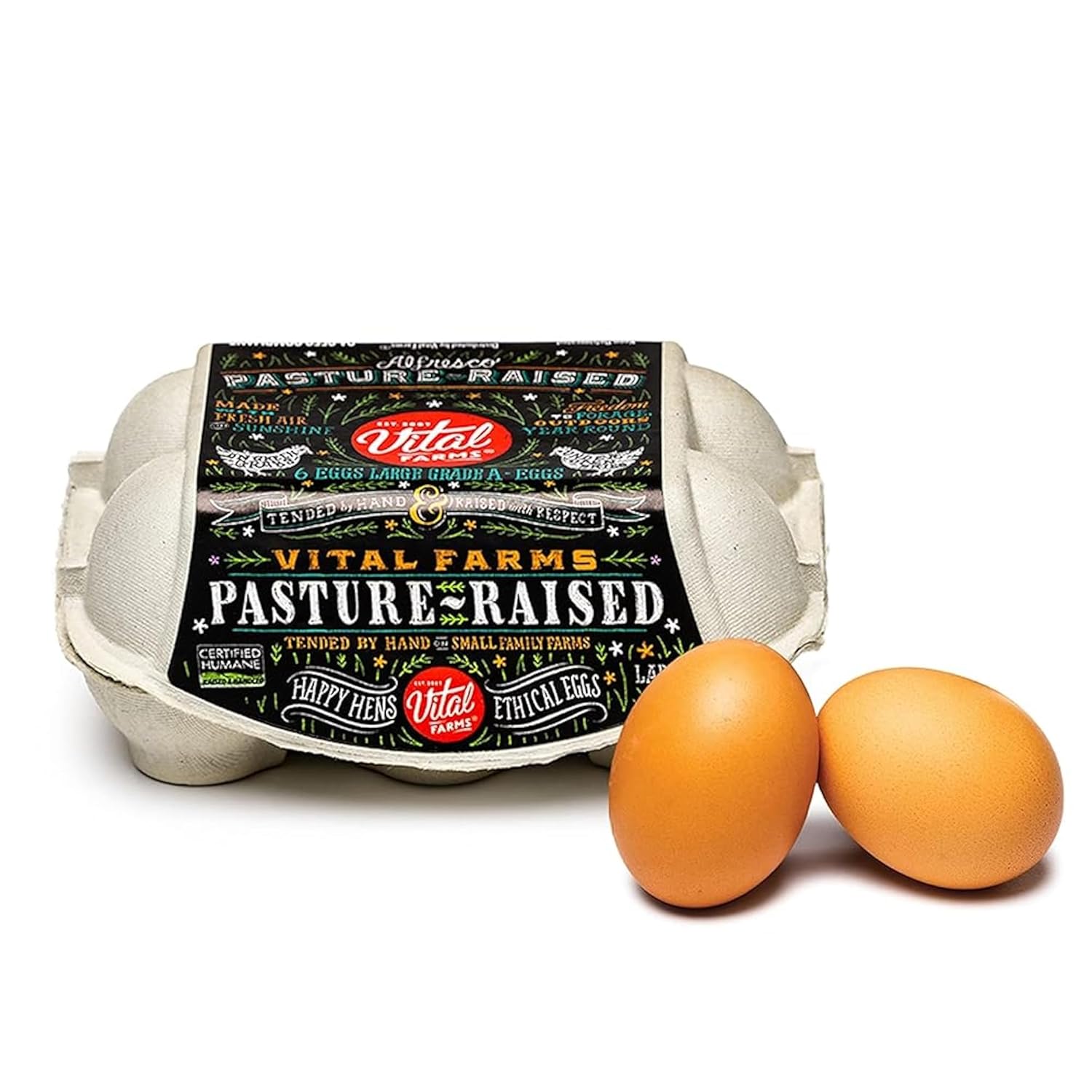
Large Eggs
Large eggs are a staple in baking, known for their versatility and multifunctional role. They consist of a yolk and an egg white, each contributing unique properties. The yolk adds richness and moisture, while the whites provide structure and volume when whipped. Eggs act as a binder, holding ingredients together, and help with leavening due to their ability to trap air. They impart a subtle richness and enhance flavors in cakes, cookies, and breads, making them indispensable in achieving the desired texture and structure in baked goods.
Mayonnaise
Mayonnaise is a creamy emulsion made from oil, egg yolk, vinegar or lemon juice, and seasonings. In baking, it acts as a binder, enhancing moisture, tenderness, and flavor in recipes. Its creamy texture and subtle tang make it an excellent addition to cakes, breads, and muffins, often replacing eggs or oil to create a moist crumb. The emulsifying properties of mayonnaise help create a uniform texture, while its fat content contributes to a rich mouthfeel, making it a versatile ingredient for home bakers seeking to enhance their baked goods.
Psyllium Husk
Psyllium husk is derived from the seeds of the Plantago ovata plant, commonly grown in India. In baking, it serves as an effective binder and moisture-retaining agent, crucial for gluten-free recipes. With its neutral flavor, it doesn't alter the taste of baked goods. When mixed with water, psyllium husk forms a gel-like substance, mimicking the properties of gluten, providing structure and elasticity. This makes it an indispensable ingredient for achieving the desired texture in gluten-free breads, muffins, and other baked items.
Raw Banana
Raw banana, often used as a binder in baking, is a versatile fruit known for its ability to add moisture, tenderness, and subtle sweetness to baked goods. Its creamy texture and mild flavor make it a popular choice for cakes, muffins, quick breads, and cookies. Besides its binding properties, raw banana can enhance the overall texture of a dish, offering a soft, dense crumb. Being naturally gluten-free, vegan, and free from common allergens like dairy and nuts, it is an excellent ingredient for those with dietary restrictions, providing a nutritious alternative to traditional binders like eggs
Silken Tofu
Silken tofu is a variety of tofu known for its smooth, custardy texture and high moisture content, making it an ideal binder in baking. Unlike its firmer counterparts, silken tofu is not pressed, which allows it to blend seamlessly into batters, contributing to a tender crumb and moist texture. Its neutral flavor ensures it doesn’t overpower other ingredients, making it a versatile choice for vegan and allergy-friendly recipes, such as cookies, cakes, and muffins, where it effectively replaces eggs and dairy.
Water
Water is a fundamental ingredient in baking due to its versatile properties. It acts as a binder, helping to combine dry ingredients, and imparts moisture, which is essential for texture and crumb in baked goods. Water also plays a critical role in gluten formation when mixed with flour, contributing to the structure and elasticity of doughs. Flavor-wise, water is neutral, allowing the flavors of other ingredients to shine. Its simplicity and purity make it indispensable in recipes ranging from breads and cakes to pastries and pizza dough.
Xanthan Gum
Xanthan gum is made by fermenting simple sugars with a natural bacterium, creating a powder that works as a binder and thickener in baking. It helps trap moisture and improve texture, making it especially useful in gluten-free recipes where it replaces some of gluten’s structure. A little goes a long way, and since it has no flavor, it won’t change the taste of your baked goods.
Dairy
Almond Milk
Almond milk is a plant-based milk substitute made by blending almonds with water and straining the mixture to remove solids. It's valued in baking for its slightly nutty flavor and creamy texture, which adds moisture and enhances the taste of cakes, cookies, and pastries. Almond milk is a versatile ingredient, providing a lactose-free, vegan, and gluten-free alternative to cow's milk, while also being lower in calories and rich in vitamin E, making it a popular choice for health-conscious bakers.
Buttermilk
Buttermilk is a slightly tangy, fermented dairy product known for its acidic properties, which make it an excellent leavening partner for baking soda. This chemical reaction helps baked goods rise, resulting in a tender, fluffy texture. It also adds moisture, enhancing the taste and crumb of cakes, breads, and pastries. The tanginess of buttermilk imparts a subtle, creamy flavor that balances the sweetness in baked items, making it a preferred choice for recipes like pancakes, biscuits, and muffins.
Buttermilk Powder
Dehydrated buttermilk that can be reconstituted with water or added directly to dry ingredients. Provides the tang and tenderizing acidity of buttermilk with a long shelf life.
Cashew Milk
A creamy, slightly sweet plant-based milk made from cashews. Has a richer, creamier texture than most nut milks, making it a good dairy-free substitute in baking.
Coconut Milk
Coconut milk is a creamy, milky-white liquid extracted from the grated pulp of mature coconuts. It is cherished not only for its rich texture and tropical flavor but also for its versatility in baking. Coconut milk imparts a subtle sweetness and nutty aroma, enhancing the depth of flavor in cakes, cookies, and pastries. Its high fat content contributes to moisture and tenderness in baked goods, making it an excellent dairy substitute for those following vegan or lactose-free diets. Home bakers appreciate its ability to create rich, moist textures while adding a unique flavor twist.
Condensed Milk
Condensed milk is a thick, sweet dairy product created by removing most of the water content from cow's milk and adding sugar, resulting in a viscous liquid. Its high sugar content acts as a natural preservative, giving it a long shelf life. In baking, its key properties include acting as a sweetener and adding moisture, which contributes to a soft texture in baked goods. The rich, caramel-like flavor enhances the overall taste of cakes, cookies, and pastries, while its creamy consistency helps achieve smooth, decadent desserts.
Cottage Cheese
Cottage cheese is a fresh cheese curd product known for its mild flavor and slightly creamy texture. It is made by curdling milk and draining it of its whey, resulting in small, creamy curds. In baking, cottage cheese contributes moisture, acts as a binder, and imparts a subtle tangy flavor to recipes like cakes, pastries, and quick breads. Its high protein content and low fat make it an appealing ingredient for adding richness and structure without excessive calories, making it a versatile addition to both sweet and savory baked goods.
Cream Cheese
A soft, mild, tangy fresh cheese made from milk and cream. Essential for cheesecakes, frostings, and pastry doughs. Adds richness, tang, and a smooth, creamy texture.
Crème Fraîche
A thick, tangy, cultured cream with a higher fat content than sour cream. Adds richness and a subtle tang to cakes, scones, and pastry doughs without curdling when heated.
Evaporated Milk
Evaporated milk is a dairy product where about 60% of the water content has been removed from fresh milk, resulting in a dense, creamy liquid. This concentration process enhances its flavor, giving it a slightly caramelized, sweet taste that enriches baked goods. In baking, evaporated milk contributes moisture, richness, and tenderness, making it ideal for cakes, breads, and pastries. Its stable structure under heat makes it a versatile substitute for fresh milk or cream, adding depth without altering the overall texture.
Greek Yogurt
Greek yogurt is a thick, creamy dairy product made by straining regular yogurt to remove whey, resulting in a denser texture with higher protein content. It's prized in baking for its ability to add moisture and tenderness while acting as a binding agent. Its tangy flavor enhances the complexity of baked goods without overwhelming sweetness, making it a versatile ingredient in cakes, quick breads, and other recipes. Its acidity also helps activate baking soda, contributing to leavening and a light, airy crumb.
Half and Half Milk
Half and half milk is a dairy product composed of equal parts whole milk and cream, resulting in a product that is richer than milk but lighter than cream. This balance gives it a smooth texture and a mild, creamy flavor, making it a versatile ingredient in baking. It adds moisture and tenderness to baked goods, ensuring a soft crumb and enhanced flavor. Its fat content, higher than milk but lower than heavy cream, provides a balance that enriches cakes, breads, and pastries without overwhelming them, making it a favorite among home bakers for achieving a delicate texture.
Heavy Cream
Heavy cream, often referred to as heavy whipping cream, is a high-fat dairy product containing at least 36% milk fat. Its richness imparts a luxurious texture and moistness to baked goods, while enhancing flavor and ensuring tender crumb structure. In baking, its ability to whip into stiff peaks makes it ideal for creating stable whipped toppings and fillings. Additionally, heavy cream's fat content provides stability to batters and doughs, making it a versatile ingredient for cakes, pastries, muffins, and quick breads that require both richness and structure.
Kefir
A fermented milk drink with a tangy, slightly sour flavor similar to thin yogurt. Its acidity activates baking soda and adds tenderness and moisture to baked goods.
Mascarpone
A rich, buttery Italian cream cheese with a smooth, velvety texture and mild sweet flavor. Higher in fat than regular cream cheese. Essential for tiramisu and Italian pastries.
Milk
Milk is a versatile dairy ingredient that plays a crucial role in baking due to its multi-functional properties. It adds moisture and tenderness to baked goods, contributing to a soft crumb and desirable texture. The proteins in milk help with structure, while its natural sugars enhance flavor and promote browning. Its mild, creamy flavor profile complements both sweet and savory recipes, making it a staple in various baked goods like cookies, cakes, and breads. For home bakers, milk is an essential ingredient that enhances richness and adds nutritional value to their creations.
Milk Powder
Milk powder, also known as dried milk, is a dairy product made by evaporating milk to remove its water content. This process results in a shelf-stable, fine powder that retains the nutritional benefits of liquid milk, including proteins, vitamins, and minerals. In baking, milk powder enhances structure due to its protein content, adds a rich, creamy flavor, and promotes tenderness by improving moisture retention. Its concentrated nature allows bakers to boost flavor and nutritional value without altering the liquid balance in recipes, making it a versatile staple in cookies, breads, and cakes.
Oat Milk
Oat milk is a plant-based milk alternative made by soaking and blending oats with water, then straining the liquid to remove the solids. It has a creamy texture and slightly sweet, nutty flavor, making it an excellent substitute for dairy milk in baking. Oat milk enhances moisture, tenderness, and flavor in baked goods, such as cakes and pastries, and is favored for its ability to produce a soft crumb. Its naturally occurring sugars contribute to browning and flavor development, while its emulsifying properties help in creating smooth batters and doughs. Its appeal lies in being dairy-free, nu
Powdered Milk
Powdered milk, also known as dried milk, is a dairy product created by evaporating milk until it becomes a fine, white powder. It retains most of the nutrients found in liquid milk, including proteins and essential vitamins. In baking, powdered milk is prized for its ability to add moisture and enhance flavor without adding extra liquid, making it ideal for baked goods like cakes, breads, and cookies. It provides a subtle, creamy flavor and contributes to a tender crumb and golden crust due to the Maillard reaction during baking.
Rice Milk
A mild, naturally sweet plant-based milk made from milled rice. Thinner than most milk alternatives and free from common allergens. Good for light cakes and muffins.
Ricotta Cheese
A soft, creamy Italian whey cheese with a slightly sweet, mild flavor and grainy texture. Adds moisture and lightness to baked goods like cheesecakes, cannoli filling, and pancakes.
Sour Cream
Sour cream is a cultured dairy product made by fermenting regular cream with specific lactic acid bacteria. This fermentation process gives sour cream its signature tangy flavor and creamy texture, making it a versatile ingredient in baking. It contributes to the moisture and tenderness of baked goods by adding fat and acid, which helps break down gluten strands, resulting in a softer crumb. Its acidity can also enhance flavors and aid in leavening, making it a favorite in cakes, breads, and pastries for a subtle yet rich depth of flavor.
Soy Milk
Soy milk is a plant-based, dairy-free milk alternative, made by soaking and grinding soybeans, boiling the mixture, and filtering out the solids. In baking, soy milk is prized for its ability to provide moisture and a subtle, slightly nutty flavor that complements sweet and savory goods alike. It functions well in cakes, breads, and pastries, where its protein content helps with structure, while its creamy texture enhances mouthfeel. Soy milk's neutral taste and versatility make it a go-to choice for vegan and dairy-free recipes, offering a seamless substitute for traditional dairy milk.
Whole Milk
Whole milk, a staple in the dairy category, is prized in baking for its ability to impart moisture, tenderness, and a rich flavor to baked goods. It consists of about 3.25% fat, which contributes to the creamy texture and enhances the mouthfeel of cakes, breads, and pastries. The lactose in whole milk adds a subtle sweetness, while the proteins and fats help create a fine crumb and structure in baked goods. Its balanced profile of nutrients supports browning and promotes emulsification, making it indispensable for home bakers seeking consistent, flavorful results.
Flavoring
Almond Butter
Almond butter is a creamy, flavorful paste made from ground almonds. It retains the nut's natural oils, lending a rich, nutty taste and smooth texture that enhance baked goods. This versatile ingredient acts as a binding agent, helps retain moisture, and adds tenderness to recipes. Its creamy consistency and subtle sweetness make it ideal for cookies, quick breads, and gluten-free items, providing both flavor and structure while accommodating various dietary needs, such as vegan and gluten-free diets.
Almond Extract
Almond extract is a concentrated liquid flavoring derived from bitter almonds or the kernels of stone fruits like peaches and apricots. Its strong, sweet, and nutty profile adds a distinctive aroma and taste to baked goods. Used in small quantities, it enhances the flavors of cookies, cakes, and pastries, providing a depth and richness that pure almonds cannot achieve alone. This extract is favored for its ability to impart a robust almond essence without altering the texture or consistency of the batter or dough.
Apple Cider Vinegar
Apple Cider Vinegar (ACV) is a type of vinegar made from fermented apple juice, known for its versatile role in baking. It has a tangy, fruity aroma and a sharp, acidic taste that can heighten flavors in baked goods. In baking, its acidity reacts with baking soda to produce carbon dioxide, which helps doughs and batters rise, resulting in a tender crumb and light texture. ACV is beloved by home bakers for its ability to enhance the depth of flavors in breads and cakes while also being a staple in vegan and gluten-free recipes due to its plant-based origin.
Chocolate Chips
Chocolate chips are chocolate formulated to survive the oven. Bar chocolate is made to melt cleanly at body temperature, which is exactly the wrong property when you want visible pockets of chocolate in a finished cookie, so chips are made with a lower proportion of cocoa butter and often added emulsifiers. That higher ratio of solids to fat lets them soften without collapsing, holding the teardrop shape through a full bake. The same formulation makes them a poor choice anywhere you need chocolate to flow. Ganache, tempering, and thin coatings all behave badly with chips, seizing or staying grainy where chopped bar chocolate would go glossy. Chips also vary widely in cocoa percentage between brands, and many contain milk fat or are produced on shared equipment, so they are not automatically dairy-free.
Cocoa Nibs
Crushed, roasted cacao beans with an intense, bitter chocolate flavor and satisfying crunch. Used as a mix-in for cookies, brownies, and muffins or as a topping for baked goods.
Dark Chocolate
Chocolate with a high percentage of cocoa solids and cocoa butter, and little to no milk. Ranges from semisweet (50-60%) to bittersweet (70%+). Adds rich, complex chocolate flavor to baked goods.
Dutch Cocoa Powder
Dutch cocoa powder is a type of cocoa powder that has undergone an alkalizing process to neutralize its acidity. This processing gives it a darker color and a smoother, more mellow flavor compared to natural cocoa powder. Its neutral pH makes it ideal for recipes that use baking powder as the leavening agent, as it won't disrupt the chemical balance needed for rising. Dutch cocoa is prized in baking for its ability to provide a rich chocolate flavor and deep color, enhancing everything from cookies and cakes to pastries and quick breads.
Espresso Powder
Espresso powder is a concentrated form of coffee, made by brewing espresso, drying it, and then grinding it into a fine powder. It is a potent flavor enhancer in baking, often used to intensify chocolate flavors without imparting a distinct coffee taste. Its dark, rich flavor profile adds depth and complexity to baked goods like cookies, cakes, and pastries. A small amount can make a significant impact, providing a luxurious, robust undertone that elevates the overall taste experience of desserts.
Ground Allspice
A single spice that tastes like a combination of cinnamon, nutmeg, and cloves. Made from dried berries of the Pimenta dioica tree. Adds warm, complex depth to fall and winter baked goods.
Ground Cardamom
An aromatic spice with a complex, floral, slightly citrusy flavor. Widely used in Scandinavian and Middle Eastern baking. Adds an exotic warmth to breads, pastries, and cookies.
Ground Cinnamon
A warm, sweet-spicy ground spice from the bark of cinnamon trees. One of the most essential baking spices, adding warmth and depth to cookies, cakes, breads, and pastries.
Ground Cloves
An intensely aromatic, warm spice with a strong, slightly bitter flavor. Used in small amounts in spice cakes, gingerbread, and holiday baking. A key component of pumpkin pie spice.
Ground Ginger
A warm, pungent spice with a sharp, slightly sweet heat. Essential for gingerbread, ginger snaps, and spice cakes. Pairs beautifully with cinnamon, cloves, and nutmeg.
Ground Nutmeg
A warm, slightly sweet spice with a complex, aromatic flavor. Used sparingly in baking to add depth to custards, spice cakes, eggnog, and cream-based desserts.
Lemon Juice
Lemon juice, a tangy liquid extracted from fresh lemons, is a versatile and essential ingredient in the baking world. Known for its vibrant, citrusy flavor, lemon juice not only enhances the taste of various baked goods but also serves as a natural leavening agent when combined with baking soda, creating a light and airy texture. Its acidic properties can tenderize gluten, making it particularly useful in gluten-free baking. Additionally, lemon juice can prevent browning in fruits, helping to maintain the freshness and visual appeal of baked desserts.
Lemon Zest
The finely grated outer rind of a lemon, rich in aromatic citrus oils. Provides a bright, tangy flavor to cakes, cookies, tarts, and pastries without adding acidity.
Matcha Powder
Finely ground green tea powder with an earthy, slightly bitter, umami-rich flavor and vibrant green color. Used in cakes, cookies, and frostings for both flavor and visual appeal.
Orange Blossom Water
A delicate, floral water distilled from the blossoms of bitter orange trees. Common in Middle Eastern and Mediterranean baking, adding a perfumed, slightly citrusy floral note.
Orange Zest
The finely grated outer rind of an orange, packed with fragrant citrus oils. Adds bright, fresh citrus flavor to cakes, cookies, scones, and glazes without adding liquid.
Peanut Butter
Peanut butter is a creamy or crunchy paste made by grinding roasted peanuts, often enhanced with salt, sweeteners, or emulsifiers. In baking, it serves as a flavor booster, adding a nutty, slightly sweet, and savory depth to recipes. Its high-fat content contributes to moisture and tenderness, making it an excellent binding agent. Peanut butter's versatility shines in cookies, quick breads, and gluten-free treats, offering not only its distinctive flavor profile but also enhancing texture and richness, making it a staple in home baking.
Peppermint Extract
A concentrated flavoring made from peppermint oil and alcohol. Adds a bold, cool, minty flavor to frostings, chocolate baked goods, and holiday treats. Much stronger than mint extract.
Pumpkin Pie Spice
A pre-mixed blend of warm spices typically containing cinnamon, ginger, nutmeg, allspice, and cloves. Convenient for pumpkin pies, fall-themed baked goods, and spice cakes.
Rose Water
A fragrant, floral water distilled from rose petals. Used in Middle Eastern, South Asian, and Mediterranean desserts. Adds a delicate floral aroma and subtle sweetness.
Unprocessed Cocoa Powder
Unprocessed cocoa powder, often referred to as natural cocoa powder, is derived from cocoa beans that are fermented, dried, roasted, and then ground into a fine powder. It is revered for its intense, slightly bitter chocolate flavor and deep brown hue. In baking, it is prized for its ability to impart a rich chocolate taste and its acidic nature, which reacts with baking soda to help baked goods rise. Its unsweetened, pure form makes it versatile for both sweet and savory applications, allowing bakers to control the sweetness of their creations.
Unsweetened Chocolate
Unsweetened chocolate, often referred to as baking chocolate, is pure chocolate liquor formed into a solid block, without added sugar or dairy. It's composed of roughly 53% cocoa butter and 47% cocoa solids, giving it a rich, intense chocolate flavor with a hint of bitterness. This characteristic makes it a favorite for bakers who want to control the sweetness of their creations. In baking, unsweetened chocolate provides robust chocolate flavor and contributes to the structure of baked goods by adding fat and solids, which enhance texture and moisture.
Unsweetened Cocoa Powder
Unsweetened cocoa powder is the pure, powdered form of cocoa solids, obtained after cocoa beans are fermented, roasted, and ground. It is characterized by its rich, intense chocolate flavor without added sugars, making it a versatile ingredient in baking. It provides depth and complexity to baked goods, contributing to both flavor and structure. Its alkalinity varies depending on whether it is natural or Dutch-processed, which affects the pH balance and can interact differently with leavening agents like baking soda or baking powder in recipes.
Vanilla Bean Paste
Vanilla bean paste is a concentrated, aromatic product made by blending concentrated vanilla extract with vanilla bean powder and sometimes a sweetening agent like sugar or glucose syrup. Renowned for its rich, full-bodied flavor and the characteristic flecks of vanilla seeds, it provides a more intense vanilla taste than standard vanilla extract. Used in baking to impart a deep, nuanced vanilla profile, it enhances the flavor of cookies, cakes, and pastries, while offering the convenience of a paste form that integrates seamlessly into batter and dough.
Vanilla Extract
Vanilla extract is a concentrated solution derived from soaking vanilla beans in alcohol and water, capturing the essence of the vanilla bean's complex flavor profile, which is characterized by a sweet, creamy, and floral aroma. Its key properties in baking include enhancing and balancing other flavors, adding depth and warmth to baked goods, and providing a comforting fragrance. Used in small amounts, it is essential for imparting a rich, aromatic quality to cookies, cakes, pastries, and more, making it a staple in many kitchens.
White Chocolate
A confection made from cocoa butter, sugar, and milk solids without cocoa solids. Sweet, creamy, and buttery with a vanilla flavor. Used in ganache, blondies, and as a decorative drizzle.
White Vinegar
White vinegar, a clear, sour liquid, is made through the fermentation of grain alcohol, which converts ethanol into acetic acid. In baking, its acidic nature serves as a leavening agent when combined with baking soda, helping cakes and breads rise by releasing carbon dioxide. The mild, sharp tang enhances flavors without overpowering, making it a versatile addition to recipes. Its acidity also strengthens gluten, stabilizes egg whites, and enhances textures, making it invaluable in cakes, pastries, and gluten-free baking.
Protein
Pea Protein Powder
A plant-based protein powder made from yellow split peas. Adds protein and structure to baked goods without common allergens. Has a mild, slightly earthy flavor.
Vital Wheat Gluten
Vital wheat gluten is a concentrated protein derived from wheat flour, created by hydrating the flour to activate the gluten and then removing all other components. It's primarily used in baking to enhance the elasticity and chewiness of dough, providing structure and support, essential for high-rising breads and pizza crusts. Its neutral flavor makes it versatile, seamlessly integrating into recipes to improve texture and stability. Home bakers often use it to boost gluten content in whole grain or alternative flour recipes.
Whey Protein Powder
A powdered protein supplement derived from milk whey. In baking, adds protein and structure while keeping baked goods moist. Used in protein-enriched muffins, pancakes, and bars.
Yogurt
Yogurt is a creamy, tangy dairy product created through the bacterial fermentation of milk. In baking, its acidity tenderizes gluten, resulting in moist, soft textures while enhancing flavors with a mild tang. Yogurt's thick consistency adds moisture without thinning batters or doughs, making it an ideal substitute for buttermilk or sour cream. Its protein content contributes to a tender crumb, and its live cultures can leaven some doughs. Yogurt is favored by home bakers for its ability to enrich cakes, breads, and pastries with depth and complexity.
Salt & Minerals
Kosher Salt
A coarse-grained salt with a clean flavor and no additives. Its large, flat flakes make it easy to pinch and distribute evenly. The preferred salt of most professional bakers and chefs.
Salt
Salt, a crystalline mineral primarily composed of sodium chloride, is a fundamental ingredient in baking. It enhances flavor by balancing sweetness, suppressing bitterness, and amplifying other flavors, making it essential in cookies, breads, and more. In baking, salt also strengthens gluten structure, controls yeast fermentation, and affects dough texture. Its subtle but critical presence ensures baked goods are savory and satisfying, making it indispensable for both novice and experienced bakers.
Sea Salt
Salt produced by evaporating seawater, available in fine and coarse varieties. Contains trace minerals that add subtle complexity. Popular as a finishing salt on cookies, caramels, and chocolates.