

Margarine
Fat
Also known as: vegetable shortening, margarine spread, margarine butter, non-dairy spread, plant-based margarine
They make non-dairy margarines, but make sure you pay special attention if your lactose sensitive.

About Margarine
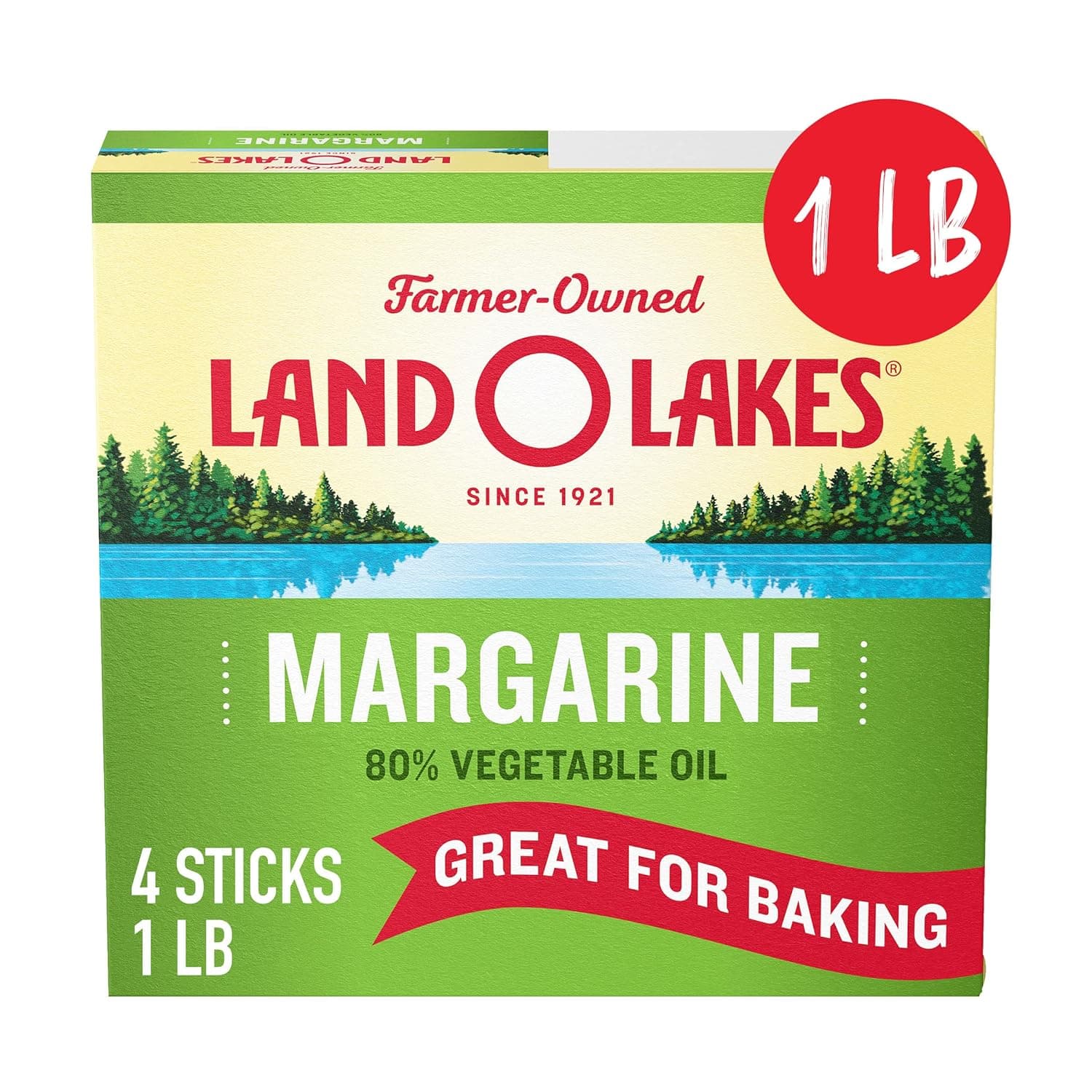
Margarine is a versatile fat used in baking, crafted primarily from vegetable oils and water, making it a popular choice for those seeking a plant-based alternative to butter. Its key properties lend moisture, tenderness, and a subtle flavor to baked goods, enhancing texture and mouthfeel. The emulsifiers in margarine help maintain consistency during mixing and baking, while its higher melting point compared to butter can result in flakier pastries. Its neutral taste allows it to complement a wide range of sweet and savory recipes, making it a staple in cookies, cakes, breads, and pastries.
Trusted Margarine Brands
Selected for quality, availability, and clear allergen handling. We may earn a small commission from these links.
Have feedback or suggestions about this ingredient page? We're listening.
Share your feedback