
Premium baking products worth the splurge: the gluten-free ingredients that actually justify their price
Discover which premium gluten-free baking products are actually worth the splurge — from superfine flours and European butter to pro-grade tools and binders.

Malik
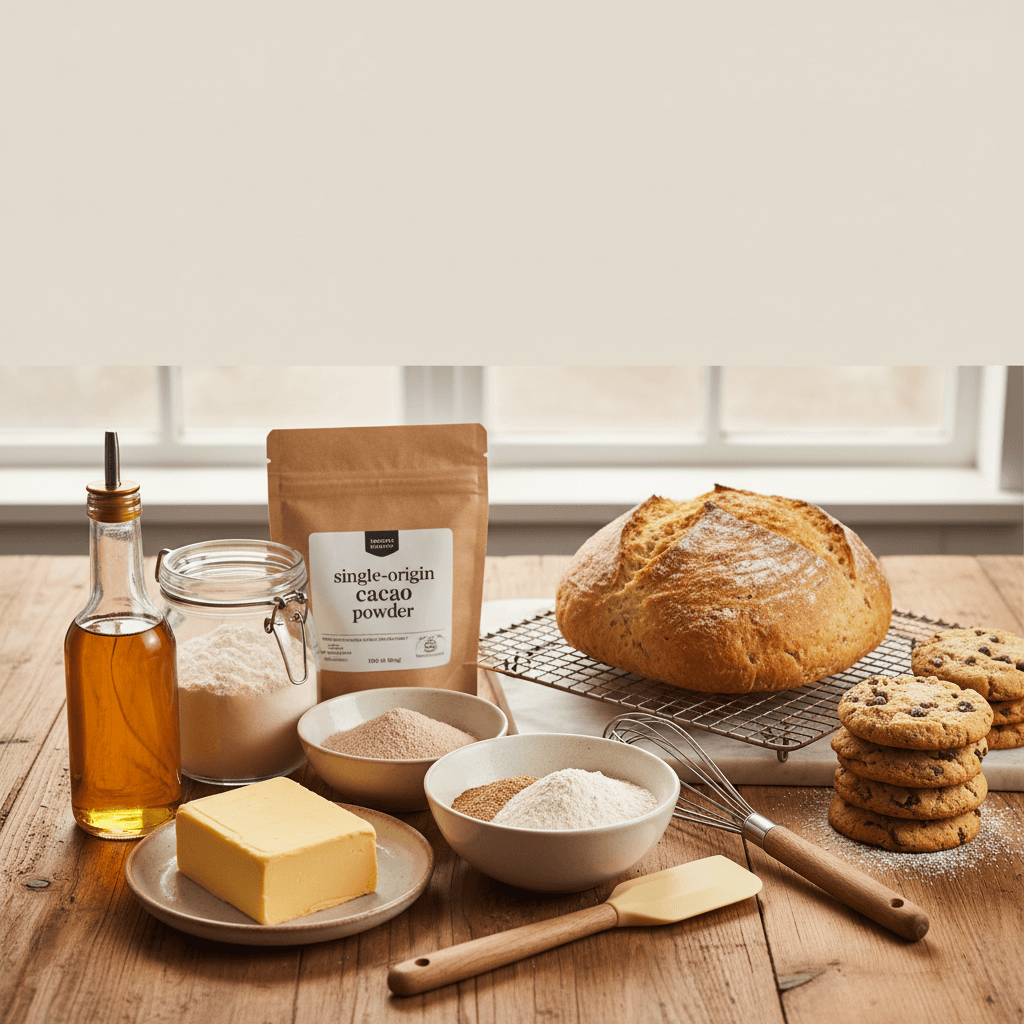
Not every expensive baking product is worth the money — but some genuinely transform your results. This guide covers the premium gluten-free flours, sweeteners, fats, binders, dairy alternatives, and equipment that deliver a noticeable quality difference over their budget and mid-range counterparts.
Key takeaways
- Premium gluten-free flour blends like Cup4Cup and Authentic Foods use finer milling and better starch ratios, producing noticeably smoother textures with less grittiness.
- High-quality fats like European-style butter and cold-pressed coconut oil create flakier pastries and richer flavor than standard grocery store options.
- Specialty sweeteners such as raw honey, pure maple sugar, and high-quality vanilla extract add depth of flavor that imitation products simply cannot match.
- Professional-grade binders like psyllium husk powder and premium xanthan gum give gluten-free bread better structure and a longer shelf life.
- Investing in a few key tools — a precision scale, a quality stand mixer, and proper baking stones — makes a bigger difference than upgrading every single ingredient.
Premium gluten-free flours and blends that outperform the rest
The single biggest upgrade you can make in gluten-free baking is your flour. Premium blends use superfine milling, carefully balanced starch-to-protein ratios, and higher-quality base grains — and you can taste the difference in every bite.
Cup4Cup original multipurpose flour ($10-14/lb)
Developed by a former Thomas Keller pastry chef, Cup4Cup is designed to be a true 1:1 replacement for all-purpose flour. It contains milk powder, which gives baked goods a tender, moist crumb that many other blends struggle to achieve. If you bake a lot of cakes and pastries, this is the flour that will make people forget they are eating gluten-free. It is significantly more expensive than Bob's Red Mill or King Arthur, but the texture difference — especially in delicate cakes and pie crusts — justifies the cost.
Authentic Foods superfine flours ($8-12/lb)
Authentic Foods mills their rice flours to an incredibly fine consistency, which eliminates the gritty texture that plagues many gluten-free baked goods. Their superfine brown rice flour and classical blend are favorites among professional gluten-free bakers. The superfine grind also absorbs liquid more evenly, giving you more consistent results batch to batch.
Jovial organic cassava flour ($9-13/lb)
Jovial sources their cassava flour from a single origin in Brazil, and the quality control shows. Their cassava flour is lighter and less starchy-tasting than many competitors, making it ideal for grain-free baking where you want a neutral flavor. For bread bakers, their products deliver a clean taste that budget cassava flours often lack.
Premium single-origin nut flours ($12-18/lb)
Blanched almond flour from brands like WellBees or Blue Diamond Professional is milled finer and more consistently than grocery store options. This matters most in macarons, financiers, and delicate cookies where a coarse grind ruins the texture. If you have tried almond flour vs coconut flour comparisons and felt disappointed by almond flour's performance, the issue may have been grind quality rather than the flour itself.
If you are building out your gluten-free pantry and want guidance on which flours, binders, and tools to prioritize, our Confident Gluten-Free Baker Toolkit walks you through exactly what to stock and why — so you spend your money where it actually matters.
Premium sweeteners that add real depth of flavor
Sweeteners are one category where the premium option often tastes dramatically different from the budget version. Here is where your money goes the furthest.
Pure vanilla extract and vanilla bean paste ($15-40)
This is the single most impactful flavor upgrade you can make. Pure vanilla extract (look for brands like Nielsen-Massey or Heilala) contains hundreds of flavor compounds that imitation vanilla simply does not have. Nielsen-Massey Madagascar Bourbon Pure Vanilla Extract is our top pick — the flavor is complex, warm, and rounds out every baked good. Vanilla bean paste goes a step further, adding those beautiful flecks and an even more intense aroma. Use it in custards, buttercream, and anything where vanilla is the star.
Pure maple sugar and maple syrup ($12-20)
Grade A dark robust maple syrup from a single-source producer tastes nothing like the mass-market stuff. The caramel and toffee notes it brings to cookies, cakes, and glazes are irreplaceable. Maple sugar (the granulated form) can substitute for brown sugar in many recipes and adds a complexity that regular sugar cannot. Look for brands like Coombs Family Farms or Crown Maple. Learn more about how different sweeteners function in baking on our sugar guide.
Raw local honey and specialty honeys ($10-25)
Buckwheat honey, wildflower honey, and other single-varietal honeys bring distinct flavors that transform simple recipes. A buckwheat honey gingerbread or a wildflower honey cake tastes worlds apart from one made with generic clover honey. The moisture-retaining properties of high-quality honey also help combat the quick staling that gluten-free baked goods are prone to.
Premium fats that transform texture and flavor
Fat is the backbone of pastry, and premium fats deliver noticeably better results in flakiness, moisture, and taste.
European-style butter ($5-8/lb)
Brands like Kerrygold, Plugra, and Vital Farms contain 82-86% butterfat compared to the standard American 80%. That extra fat means flakier pie crusts, richer cookies, and more tender cakes. The flavor is also more complex — nutty and sweet rather than bland. If you bake gluten-free pie crust, European-style butter is the single upgrade that makes the biggest difference.
Premium dairy-free butter alternatives ($5-9)
For dairy-free baking, not all plant butters are created equal. Miyoko's Creamery European-Style Cultured Vegan Butter performs remarkably close to real butter in pastry applications. It has a higher fat content than most plant butters and a clean, slightly tangy flavor. The Miyoko's European-Style Cultured Vegan Butter is our top pick for dairy-free pie crusts and laminated doughs.
Cold-pressed virgin coconut oil ($10-15)
Mass-market refined coconut oil works fine, but cold-pressed virgin coconut oil from brands like Nutiva or Dr. Bronner's has a cleaner coconut flavor and better melting properties. It makes a noticeable difference in coconut-forward recipes, raw desserts, and dairy-free frostings.
High-quality avocado oil ($12-18)
For recipes that call for a neutral oil, premium avocado oil from brands like Chosen Foods or Primal Kitchen delivers a cleaner taste than budget canola or vegetable oil. It is especially good in chocolate cakes and brownies where you want a moist crumb without any off-flavors.
Premium leaveners and binders that improve structure
This is a category where many bakers do not think to upgrade, but the quality differences are real — especially for gluten-free bread.
SAF instant yeast ($7-10 for 1 lb)
If you bake gluten-free bread regularly, switching from those little packets of active dry yeast to a bulk bag of SAF instant yeast is a game-changer. It is more reliable, more potent, and far more economical per use. The SAF Red Instant Yeast (1 lb) lasts for months in the freezer and gives you consistently strong rises.
Whole psyllium husk powder ($12-18)
Psyllium husk is the secret weapon of premium gluten-free bread baking. It mimics gluten's elasticity better than xanthan gum in bread applications, giving you a chewier crumb and better structure. Not all psyllium is equal — look for finely ground, light-colored powder (dark psyllium can turn bread purple). If you have been debating xanthan gum vs guar gum, psyllium is actually the premium third option for bread specifically.
Rumford aluminum-free baking powder ($4-6)
This is a small splurge with a big payoff. Aluminum-free baking powder eliminates the metallic aftertaste that can plague gluten-free baked goods, which are already fighting the strange aftertaste problem. Rumford is our top pick, and at only a dollar or two more than standard baking powder, it is arguably the best value upgrade on this entire list.
Premium dairy alternatives worth the extra cost
Dairy alternatives vary wildly in quality, and premium options make a measurable difference in baking performance.
Product | Best for | Price range | Why it is worth it |
|---|---|---|---|
Oatly Barista Edition oat milk | Cakes, muffins, pancakes | $5-6/carton | Higher fat content creates moister crumb than standard oat milk |
Miyoko's Vegan Butter | Pie crust, cookies, pastry | $5-9/pack | 82% fat, closest to European butter performance |
Kite Hill ricotta (almond-based) | Cheesecakes, filled pastries | $7-9/container | Smooth, creamy texture that cheap alternatives lack |
Forager Project cashewgurt | Quick breads, scones | $5-7/container | Thick and tangy, works like real yogurt in baking |
For more on how milk functions in baking and how to choose the right alternative, our learn guide breaks down what each dairy alternative does to texture, browning, and flavor.
Premium baking equipment that pays for itself
Tools are where your investment lasts the longest. A great baking stone or stand mixer will serve you for decades, and in gluten-free baking specifically, precision tools solve problems that no ingredient upgrade can.
Precision digital scale ($25-50)
Gluten-free baking is far less forgiving of measurement errors than conventional baking. A scale accurate to 1 gram is essential. A reliable option is the OXO Good Grips 11lb Food Scale. This is the single most important tool purchase you can make.
KitchenAid Pro or Artisan stand mixer ($300-450)
Gluten-free bread doughs are typically wetter and stickier than conventional doughs, and they need sustained mixing to develop structure from binders like xanthan gum and psyllium husk. A powerful stand mixer with a paddle attachment handles this far better than hand mixing. The KitchenAid Artisan 5-Quart Stand Mixer is the standard for a reason — it is powerful enough for heavy doughs without being overkill for home baking.
Baking steel or quality baking stone ($40-90)
For gluten-free pizza and artisan bread, a baking steel transfers heat far more efficiently than a standard baking sheet. The result is a crispier bottom crust and better oven spring. The Dough-Joe baking steel and the FibraMent-D baking stone are both excellent options in the $50-80 range.
Pullman loaf pan with lid ($20-35)
Gluten-free bread benefits enormously from the steam-trapping environment of a lidded Pullman pan. It keeps the top from drying out while the interior finishes baking, solving the common dry and crumbly problem. USA Pan makes an excellent aluminum version that conducts heat evenly.
Brød & Taylor folding proofer ($150-190)
If you bake gluten-free bread regularly, a proofing box gives you consistent, controlled temperatures that take the guesswork out of rising. Gluten-free doughs are more sensitive to temperature fluctuations than conventional doughs, so this is one tool where the premium price genuinely solves a real problem.
How to decide what is worth upgrading first
You do not need to buy everything on this list at once. Here is our recommended order of priority based on the impact each upgrade makes on your final results:
- Digital scale — fixes measurement inconsistency, the number one cause of failed gluten-free bakes
- Premium flour blend — eliminates grittiness and improves crumb structure across all recipes
- Pure vanilla extract — transforms flavor in nearly everything you bake
- European-style butter (or Miyoko's for dairy-free) — dramatically improves pastry and cookies
- Aluminum-free baking powder — removes metallic aftertaste for almost no extra cost
- Psyllium husk powder — essential if you bake bread regularly
- Stand mixer — makes bread and heavy doughs feasible at home
If you are still building your pantry from scratch and want to start with reliable mid-range products before upgrading, check out our guides to the best gluten-free baking products on Amazon and our complete Bob's Red Mill guide for solid everyday options.
Frequently asked questions
Is premium gluten-free flour really worth the extra cost?
Yes, for most bakers the difference is significant. Premium flours use finer milling that eliminates the gritty texture common in budget blends, and their starch-to-protein ratios are more carefully balanced. The improvement is most noticeable in delicate baked goods like cakes, pastries, and cookies. For everyday items like pancakes or muffins, a solid mid-range blend like Bob's Red Mill or King Arthur works perfectly well.
What is the single best premium baking investment for gluten-free bakers?
A precision digital scale. Gluten-free recipes are far less forgiving of measurement errors than conventional recipes, and weighing your ingredients eliminates the most common source of inconsistent results. It costs under $30 and improves every single thing you bake.
Do I need European-style butter for gluten-free baking?
You do not need it, but it makes a real difference in recipes where butter is a primary ingredient — pie crusts, shortbread, croissants, and butter cakes. The higher butterfat content (82-86% vs 80%) creates flakier layers and richer flavor. For recipes where butter plays a supporting role, like banana bread or muffins, standard butter works fine.
What premium dairy-free butter works best for gluten-free pastry?
Miyoko's Creamery European-Style Cultured Vegan Butter is the best performing dairy-free option for pastry. Its higher fat content and firmer texture make it behave more like real butter when making pie crusts and laminated doughs. You can read our full comparison in our best dairy-free butter for baking guide.
Is a stand mixer necessary for gluten-free bread baking?
It is not strictly necessary, but it makes a substantial difference. Gluten-free bread doughs are typically too wet and sticky to knead by hand, and they need sustained mixing to properly hydrate binders like psyllium husk and xanthan gum. A stand mixer with a paddle attachment handles this efficiently and consistently, which leads to better bread structure and rise.

Written by
Co-founder, BakingSubs
Co-founder of BakingSubs, where he turns the science of ingredient substitutions into tested, reliable guidance for home bakers.
Related Posts
Bake with Confidence
See all
Confident Gluten-Free Baker Toolkit
The science-based system that replaces gluten's seven invisible jobs so your baking turns out soft, fluffy, and foolproof — every time.

Gluten-Free Recipe Vault
Instant access to our complete library of proven gluten-free recipes — no waiting, no guesswork, just results that work tonight.

Fix Your Gluten-Free Bread
Learn the 3-step formula to make bread rise and stay soft, discover why your loaves collapse, and get a tested sandwich bread recipe that actually works.