
Premium baking ingredients that make a real difference: where to splurge and where to save
Discover which premium baking ingredients actually justify the cost. We compare vanilla, butter, flour, chocolate, and more with honest advice on where to splurge and save.

Malik
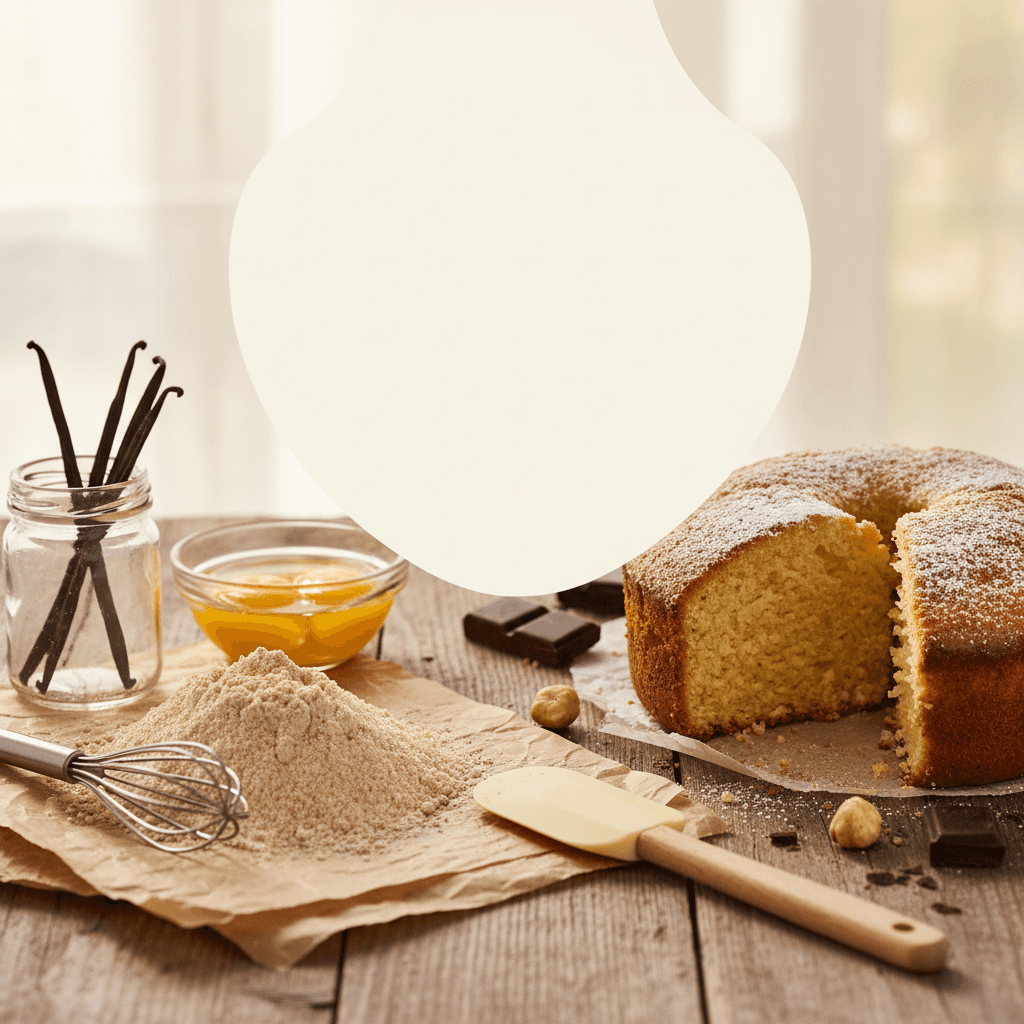
Not every expensive ingredient is worth the price tag, but some genuinely transform your baking in ways that cheaper alternatives simply cannot. Here is our honest breakdown of the premium baking ingredients that actually justify the investment, organized by category with real performance differences you can taste and see.
Key takeaways
- High-quality vanilla extract, European-style butter, and specialty flours produce the most noticeable upgrades in flavor and texture compared to budget versions.
- Premium chocolate and cocoa powder deliver dramatically richer results because of higher cacao butter content and better processing.
- Not every premium ingredient is worth it — we call out specific categories where saving money makes more sense.
- For gluten-free bakers, investing in quality flour blends and fresh nut flours eliminates common issues like gritty texture and strange aftertaste.
- Most premium upgrades fall in the $8-25 range per ingredient, making them accessible even on a moderate budget.
- Proper storage extends the life of premium ingredients, protecting your investment.
Why premium ingredients matter more in baking than cooking
Baking is a precise science where every ingredient plays a structural and chemical role. In cooking, you can adjust seasoning on the fly or compensate for a mediocre ingredient with technique. In baking, the quality of your flour, fat, leavener, and sweetener is locked in once the batter hits the oven. That means a better-quality ingredient has an outsized impact on the final product.
This is especially true in gluten-free baking, where the margin for error is already smaller. A gritty rice flour or a stale nut flour does not just taste worse — it can wreck the texture of your entire bake. Premium ingredients close the gap between gluten-free and conventional results.
If you are building out a gluten-free pantry and want a structured approach to choosing the right ingredients and techniques, our Confident Gluten-Free Baker Toolkit walks you through exactly what to stock and why.
Premium vanilla: the single biggest flavor upgrade
Pure vanilla extract is the most impactful upgrade you can make in your baking pantry, period. The difference between imitation vanilla (which contains synthetic vanillin from wood pulp or petrochemicals) and real vanilla extract is immediately obvious in anything where vanilla is a primary flavor — sugar cookies, pound cake, custard, buttercream.
But not all pure vanilla extracts are created equal. Here is how the tiers break down:
| Product | Price range | What you get | Best for |
|---|---|---|---|
| Imitation vanilla extract | $1-3 / 4 oz | Single synthetic flavor compound | Recipes where vanilla is a background note (chocolate cake, spice cookies) |
| Standard pure vanilla extract | $6-10 / 4 oz | Real vanilla beans in alcohol, basic complexity | Everyday baking where vanilla matters |
| Premium single-origin extract (Madagascar, Tahitian, Mexican) | $12-20 / 4 oz | Complex flavor profiles unique to region | Showcase bakes where vanilla is the star |
| Vanilla bean paste | $10-15 / 4 oz | Extract plus real bean seeds for visual flecks | Custards, ice cream, anything where you want visible vanilla specks |
Madagascar Bourbon vanilla is the classic — rich, creamy, and universally flattering. Tahitian vanilla is more floral and fruity, which is gorgeous in fruit-forward desserts. Mexican vanilla has a deeper, slightly smoky quality that works beautifully with chocolate and cinnamon.
The Nielsen-Massey Madagascar Bourbon Vanilla Extract is our everyday pick, and their Tahitian variety suits panna cotta or berry desserts. At around $12-15 for a 4-ounce bottle, it costs roughly 10-15 cents more per recipe than imitation — a trivial cost for a transformative flavor difference.
Butter and fats: European-style versus standard
European-style butter contains 82-86% butterfat compared to the 80% minimum in standard American butter. That extra few percentage points translates to less water in the butter, which means flakier pie crusts, more tender cakes, and richer flavor across the board.
The performance difference is most dramatic in recipes where butter is a structural ingredient:
- Pie crust and puff pastry: Less water means less steam during baking, which gives you more controlled, shatteringly flaky layers instead of tough, shrinking dough.
- Buttercream: Higher fat content produces a silkier, less greasy frosting that holds up better at room temperature.
- Shortbread and butter cookies: The flavor difference is unmistakable because there are so few ingredients to hide behind.
Kerrygold, Plugra, and Vital Farms are widely available premium options in the $5-7 per pound range. For the absolute best results in laminated doughs, look for cultured European butter like Plugra, which adds a subtle tang that deepens flavor complexity.
For dairy-free bakers, the same principle applies — premium plant-based butters with higher fat content and fewer fillers outperform budget options significantly. Miyoko's and Forager Project both deliver noticeably better results than store-brand alternatives.
When standard butter is perfectly fine
If butter is one of many flavors in a recipe — think banana bread, heavily spiced muffins, or chocolate cake — standard unsalted butter works just fine. Save your premium butter for recipes where it is the star.
Flour: where quality has the biggest structural impact
Flour is the backbone of every bake, and this is where upgrading makes the most dramatic difference in texture. For conventional bakers, the jump from bleached all-purpose to unbleached, high-quality flour from brands like King Arthur is noticeable in bread structure and cake tenderness.
For gluten-free bakers, the quality gap is even wider. A well-formulated flour blend eliminates the gritty texture and strange aftertaste that plague cheaper blends. Here is what separates premium from budget in the gluten-free world:
| Feature | Budget GF flour blend ($3-5/lb) | Premium GF flour blend ($6-10/lb) |
|---|---|---|
| Grind fineness | Often coarse, gritty mouthfeel | Superfine grind, smooth texture |
| Starch balance | Heavy on rice flour, limited starch variety | Balanced blend of flours and starches for better structure |
| Binder included | Sometimes, inconsistent amounts | Usually includes xanthan gum at tested ratios |
| Flavor | Can taste "beany" or have off-notes | Neutral, clean flavor |
| Consistency batch to batch | Variable | Highly consistent |
Cup4Cup and King Arthur Measure for Measure are two premium blends that consistently deliver results closest to conventional flour. We did a deep comparison in our Cup4Cup review and our Bob's Red Mill vs King Arthur comparison if you want a more detailed breakdown.
For nut flours, freshness is the premium factor. Almond flour from a high-turnover source (like buying directly from a nut producer or a busy retailer) tastes dramatically better than a bag that has been sitting on a shelf for months. Rancid nut flour is the number one reason people think almond flour tastes "off." The Blue Diamond Superfine Blanched Almond Flour is a reliable option that stays fresh longer due to high demand and fast turnover.
Chocolate and cocoa: the upgrade you can taste in every bite
This is probably the most dramatic premium upgrade in all of baking. The difference between a $2 bag of chocolate chips and a bar of high-quality couverture chocolate is not subtle — it is a completely different ingredient.
Premium chocolate has higher cacao butter content (32-39% for couverture versus 25-27% for standard chips), which means it melts more smoothly, creates a better snap when set, and coats your mouth with rich, complex flavor instead of a waxy, one-note sweetness.
For cocoa powder, the distinction matters just as much:
- Standard natural cocoa (Hershey's, store brand): $3-5 per 8 oz. Functional but flat, one-dimensional chocolate flavor.
- Premium natural cocoa (Valrhona, Guittard): $8-14 per 8 oz. Deeper, more complex chocolate flavor with fruity or earthy notes depending on origin.
- Dutch-processed cocoa (Droste, Valrhona): $8-16 per 8 oz. Darker color, mellower flavor, gorgeous in cakes and brownies. Note that it reacts differently with leaveners — pair it with baking powder, not baking soda alone.
For brownies, ganache, and mousse, our pick is Guittard 72% baking wafers. They melt beautifully and deliver a deep, satisfying chocolate flavor that makes people ask what your secret is. For chocolate chip cookies, Guittard or Ghirardelli baking chips are a meaningful step up from Nestle Toll House at only $1-2 more per bag.
Leaveners and binders: small cost, big impact on texture
This category is interesting because the price difference between standard and premium is tiny, but the performance difference can be significant — especially for gluten-free bakers.
Baking powder: Aluminum-free baking powder (like Rumford) eliminates the metallic aftertaste that cheap baking powder can leave, especially in delicate bakes like biscuits and scones. It costs about $1 more than standard and is worth every penny. Check our baking powder guide for more on how different brands perform.
Xanthan gum and psyllium husk: For gluten-free bakers, these binders are critical for structure. Cheap xanthan gum can be inconsistent in granule size, leading to slimy pockets in your baked goods. Bob's Red Mill xanthan gum is the standard for good reason — it is consistent and reliably fine-ground. If you are debating between binders, our xanthan gum vs guar gum comparison breaks down when each one works best.
Yeast: SAF Instant Yeast is the gold standard among serious bread bakers. It is more reliable and longer-lasting than the packets you find in the baking aisle, and buying a 1-pound vacuum-sealed block costs less per use than individual packets. The SAF Red Instant Yeast is what most professional bakeries use, and it keeps for months in the freezer.
Sweeteners: when specialty sugars transform a recipe
Standard granulated sugar is standard granulated sugar — there is very little quality variation between brands, so do not overpay here. But specialty sweeteners are a different story.
Real maple syrup: Grade A Dark Amber (formerly Grade B) has a deeper, more complex flavor than lighter grades and works beautifully in baking. Expect to pay $12-18 for a quality 16 oz bottle. The difference between real maple syrup and "pancake syrup" (which is corn syrup with flavoring) is not a premium upgrade — it is an entirely different ingredient.
Honey: Raw, unfiltered local honey has flavor complexity that mass-produced honey simply cannot match. In recipes where honey is a primary sweetener — honey cake, baklava, honey butter — this matters enormously. In a recipe where you are using a tablespoon for moisture, standard clover honey is fine.
Muscovado and demerara sugar: These minimally processed sugars retain more molasses than standard brown sugar, giving them a deeper, more complex caramel flavor. Muscovado is incredible in gingerbread, toffee, and dark chocolate cookies. At $5-8 per pound, it is a worthwhile splurge for recipes where brown sugar flavor is front and center. For more on how different sweeteners function in baking, see our sugar functions guide.
Where premium is NOT worth it
We promised honesty, so here are the categories where we think you should save your money:
- Granulated white sugar: Sugar is sugar. Store brand is chemically identical to name brand.
- Salt: For baking (not finishing), standard fine sea salt or table salt works identically to expensive artisan salt. Save the fancy flaky salt for sprinkling on top of cookies after baking.
- Vegetable oil: In recipes calling for neutral oil, store-brand canola or vegetable oil performs identically to premium brands. The exception is if you are using a specialty oil like avocado oil for its specific properties.
- Food coloring: Unless you need natural dyes for dietary reasons, standard gel food coloring works great.
- Sprinkles and decorations: These are about aesthetics, not performance. Buy what looks good to you at whatever price point you prefer.
How to organize your premium pantry upgrade by budget
If you want to upgrade gradually, here is how we would prioritize by price bracket:
| Budget | What to upgrade first | Expected impact |
|---|---|---|
| Under $25 | Pure vanilla extract, aluminum-free baking powder, better cocoa powder | Noticeable flavor improvement in almost everything you bake |
| $25-50 | Add European-style butter, premium chocolate, quality flour blend | Major texture and flavor upgrade, especially in simple recipes |
| $50-100 | Add specialty sugars (muscovado, real maple syrup), vanilla bean paste, single-origin chocolate | Your baking starts tasting like a high-end bakery |
| $100+ | Full pantry overhaul with premium versions of all staples, plus specialty items like high-quality nut flours and artisan finishing salts | Professional-quality results at home |
For anyone shopping for a baker, these price brackets also work perfectly as gift guides. A curated box of premium vanilla, muscovado sugar, and Guittard chocolate in the $25-50 range makes a thoughtful, practical gift that any serious baker will actually use.
Frequently asked questions
Is premium vanilla extract really worth 5 times the price of imitation?
Yes, in recipes where vanilla is a primary flavor. Pure vanilla extract contains over 200 flavor compounds compared to the single synthetic compound in imitation. The difference is most obvious in sugar cookies, vanilla cake, custard, and buttercream. For recipes where vanilla plays a supporting role behind strong flavors like chocolate or spice, imitation is perfectly acceptable.
Does European-style butter make gluten-free baking better?
It does, particularly in pie crusts, shortbread, and buttercream. The higher butterfat content (82-86% versus 80%) means less water in the dough, which helps gluten-free pastry hold together better and taste richer. If you are working on gluten-free pie crust, European butter is one of the easiest upgrades you can make.
What is the single most impactful premium ingredient for a home baker?
For most people, upgrading to a quality vanilla extract delivers the biggest return on investment. It improves nearly every sweet recipe you make, the cost difference per recipe is minimal (10-15 cents), and the flavor improvement is immediately noticeable even to non-bakers.
How should I store premium baking ingredients to keep them fresh?
Vanilla extract lasts indefinitely in a cool, dark cabinet. Nut flours should be stored in the freezer to prevent rancidity — they are good for 6-12 months frozen versus 2-3 months at room temperature. Premium chocolate should be wrapped tightly and stored at 60-70 degrees Fahrenheit. Specialty sugars like muscovado should be kept in an airtight container to prevent them from drying out and hardening.
Are premium gluten-free flour blends worth the higher price?
In most cases, yes. Premium blends use finer grinds, better starch ratios, and more consistent formulations that eliminate common problems like grittiness and gummy centers. If you have been frustrated with gummy centers or dry, crumbly results, upgrading your flour blend is often the single most effective fix.

Written by
Co-founder, BakingSubs
Co-founder of BakingSubs, where he turns the science of ingredient substitutions into tested, reliable guidance for home bakers.
Related Posts
Bake with Confidence
See all
Confident Gluten-Free Baker Toolkit
The science-based system that replaces gluten's seven invisible jobs so your baking turns out soft, fluffy, and foolproof — every time.

Gluten-Free Recipe Vault
Instant access to our complete library of proven gluten-free recipes — no waiting, no guesswork, just results that work tonight.

Fix Your Gluten-Free Bread
Learn the 3-step formula to make bread rise and stay soft, discover why your loaves collapse, and get a tested sandwich bread recipe that actually works.