

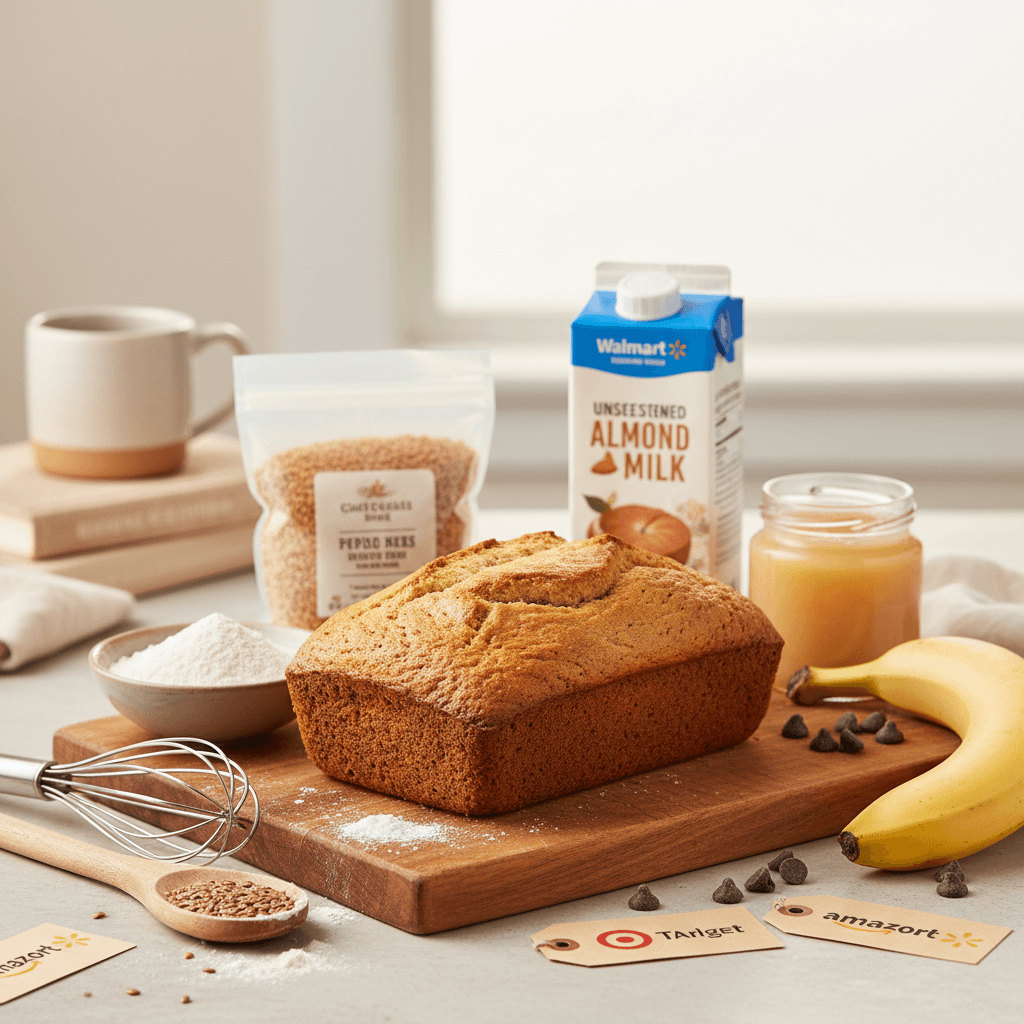
Switching to gluten-free, dairy-free, or egg-free baking doesn't have to drain your bank account. Plenty of affordable substitutes genuinely perform — many for under $5. Here's how to stock your baking pantry without overspending.
Key takeaways
- Many of the best baking substitutes cost between $1 and $5 and are available at Walmart, Aldi, Target, and Amazon.
- Pantry staples you already own — like applesauce, vinegar, and oil — double as effective egg, dairy, and fat substitutes.
- Making your own oat flour or buttermilk at home costs a fraction of buying specialty products.
- Buying multi-use ingredients (like a good rice flour or tapioca starch) stretches your budget further than single-purpose mixes.
- Affordable doesn't mean low quality — store-brand and bulk options often perform identically to premium brands.
- A small upfront investment in a few key staples sets you up for months of baking.
Why budget baking substitutes are worth your attention
A celiac diagnosis, a new dietary restriction, or just wanting to bake for a friend with allergies shouldn't mean spending $15 on a single bag of specialty flour. The truth is, many of the most reliable baking substitutes are cheap, widely available pantry staples that have been used by bakers for generations. The specialty label and fancy packaging are often what drive the price up — not the ingredient itself.
Whether you're a college student with a tiny kitchen budget or a newly diagnosed celiac figuring out what to buy first, this guide focuses on real performance at real-world prices. Every recommendation below includes approximate costs and where to find them.
Cheapest egg substitutes for baking
Eggs serve multiple functions in baking — binding, leavening, and adding moisture — so the best cheap substitute depends on what your recipe needs. The good news is that the most affordable options are things you probably already have at home. For a deeper look at how eggs work in recipes, check out our guide to egg functions in baking.
| Substitute (per egg) | Approximate cost | Best for | Where to buy |
|---|---|---|---|
| Flax egg (1 tbsp ground flax + 3 tbsp water) | $0.10–$0.15 | Muffins, pancakes, cookies | Walmart, Aldi, Amazon |
| Applesauce (1/4 cup) | $0.08–$0.12 | Cakes, quick breads, muffins | Any grocery store |
| Aquafaba (3 tbsp from a can of chickpeas) | $0.10–$0.20 | Meringues, fluffy cakes, macarons | Any grocery store (canned chickpeas) |
| Mashed banana (1/4 cup) | $0.10–$0.15 | Pancakes, muffins, banana bread | Any grocery store |
| Commercial egg replacer (Bob's Red Mill) | $0.25–$0.35 | General baking, cookies, cakes | Walmart, Target, Amazon |
Flax eggs are the budget king here. A 1-pound bag of ground flaxseed runs about $3–$5 at Walmart or Aldi and makes roughly 45 egg replacements. That's under $0.15 per egg substitute. They work beautifully as a binder in cookies, muffins, and pancakes.
Applesauce is even cheaper if you buy store-brand unsweetened cups — a 6-pack at Aldi runs about $1.50. It adds moisture and a touch of sweetness, making it perfect for cakes and quick breads. Just remember it won't provide any leavening, so your recipe should have baking powder or baking soda to handle the rise.
Aquafaba is essentially free if you're already buying canned chickpeas for dinner. One 15-oz can gives you about 1/2 cup of aquafaba, enough for 2–3 egg replacements. It's the only cheap substitute that can whip into stiff peaks, which makes it a game-changer for meringues and angel food cake. Our gluten-free egg-free baking guide covers more options if you need to avoid eggs entirely.
Cheapest dairy substitutes for baking
Dairy-free baking has gotten dramatically more affordable in the last few years. Store-brand plant milks now cost about the same as regular milk in many stores, and some of the best butter substitutes are surprisingly cheap.
| Substitute | Approximate cost | Best for | Where to buy |
|---|---|---|---|
| Store-brand oat milk (half gallon) | $2.50–$3.50 | Any recipe calling for milk | Aldi ($2.49), Walmart, Target |
| DIY buttermilk (plant milk + 1 tbsp vinegar) | $0.15–$0.25 per cup | Biscuits, pancakes, cakes | Homemade |
| Coconut oil (solid, for butter replacement) | $4–$6 per jar | Pie crust, cookies, frosting | Walmart, Aldi, Target |
| Vegetable oil or canola oil | $3–$5 per bottle | Cakes, muffins, quick breads | Any grocery store |
| Earth Balance buttery spread | $4–$5 per tub | Anything needing butter flavor | Walmart, Target, Kroger |
Store-brand oat milk is our top pick for an all-around milk replacement. Aldi's Friendly Farms brand runs about $2.49 for a half gallon, and it performs nearly identically to dairy milk in cakes, muffins, and pancakes. It has a neutral flavor and enough body to keep baked goods moist. To learn more about how milk works in your recipes, visit our milk functions guide.
DIY buttermilk is one of the easiest money-saving tricks in baking. Just add 1 tablespoon of apple cider vinegar or lemon juice to 1 cup of plant milk, stir, and let it sit for 5 minutes. It curdles slightly and gives you the same tangy, tender results as real buttermilk — for practically nothing.
For butter replacement, coconut oil is the cheapest option that actually works in pastry. A 14-oz jar of refined coconut oil at Walmart costs about $4–$5 and lasts through many batches. Use it solid (chilled) for pie crusts and biscuits, or melted for cakes and muffins. If you want more options, our guide to dairy-free butter for baking covers the best commercial picks.
If you're building a budget-friendly baking pantry from scratch, our Confident Gluten-Free Baker Toolkit walks you through exactly which staples to buy first and how to use them — so you don't waste money on ingredients you won't need.
Cheapest gluten-free flour options
Gluten-free flour is where budgets tend to take the biggest hit, but it doesn't have to be that way. The trick is buying basic flours and starches instead of premium pre-made blends, or choosing the most affordable blends available.
| Flour/starch | Approximate cost per pound | Best for | Where to buy |
|---|---|---|---|
| White rice flour | $1.50–$2.50 | All-purpose base flour, cookies, cakes | Walmart, Amazon, Asian grocery stores |
| Brown rice flour | $2.00–$3.00 | Bread, muffins, heartier bakes | Walmart, Aldi, Amazon |
| Tapioca starch | $1.50–$2.50 | Binding, chewiness, blending | Walmart, Amazon, Asian grocery stores |
| Potato starch | $1.50–$3.00 | Moisture, tenderness | Walmart, Amazon |
| DIY oat flour (blend rolled oats) | $1.00–$1.50 | Cookies, pancakes, muffins | Aldi ($2.29/canister), Walmart |
| Bob's Red Mill 1-to-1 GF Flour (5 lb bag) | $2.50–$3.00 | General all-purpose replacement | Walmart ($12–$14), Amazon, Target |
| Krusteaz GF all-purpose flour | $2.00–$2.50 | General baking | Walmart, Amazon |
Making your own oat flour is the single cheapest way to get into gluten-free baking. Buy certified gluten-free rolled oats (about $4–$5 for a 2-pound canister at Walmart or Aldi) and pulse them in a blender or food processor for 30 seconds. You get a soft, slightly sweet flour that's fantastic in cookies, pancakes, and muffins. Our oat flour vs rice flour comparison breaks down when to use each one.
White rice flour is the workhorse of gluten-free baking and one of the most affordable options. At Asian grocery stores, you can often find 2–4 pound bags for under $3. Even at Walmart, Bob's Red Mill white rice flour runs about $4 for a 24-oz bag. Combine it with tapioca starch and potato starch in a 2:1:1 ratio, and you've got a DIY all-purpose blend that rivals commercial options at a fraction of the cost.
If you'd rather skip the DIY route, the Bob's Red Mill 1-to-1 Gluten Free Baking Flour in the 5-pound bag is the best value among pre-made blends. At Walmart, it runs about $12–$14 for 5 pounds, which brings the per-pound cost down to about $2.50–$3.00. That's significantly cheaper than buying the same flour in 22-oz bags. For a full breakdown of their lineup, see our complete Bob's Red Mill guide.
The DIY all-purpose gluten-free flour blend
This is the single biggest money-saver for gluten-free bakers on a budget. Here's the formula:
- 2 cups white rice flour (~$1.00)
- 2/3 cup potato starch (~$0.40)
- 1/3 cup tapioca starch (~$0.20)
Total cost for about 3 cups of all-purpose blend: roughly $1.60. Compare that to $5–$7 for the same amount of a premium blend like Cup4Cup. Add 1 teaspoon of xanthan gum per cup of flour for recipes that need structure (bread, cakes), and you're set. For more on that binding agent, check out our xanthan gum vs guar gum comparison.
Cheapest sugar and sweetener substitutes
Replacing sugar in baking is usually about dietary needs rather than cost savings, but there are still affordable options that work well. Understanding how sugar functions in baking helps you pick the right substitute without wasting money on trial and error.
| Substitute | Approximate cost | Best for | Where to buy |
|---|---|---|---|
| Honey (store brand) | $4–$6 per 12 oz | Quick breads, muffins, glazes | Aldi, Walmart, any grocery |
| Maple syrup (store brand) | $6–$9 per 12 oz | Pancakes, cookies, cakes | Aldi ($5.99), Walmart, Target |
| Unsweetened applesauce (as sugar reducer) | $1.50–$2.50 per jar | Reducing sugar in muffins and cakes | Any grocery store |
| Monkfruit/erythritol blend | $6–$10 per 16 oz | Low-sugar baking, cookies | Walmart, Amazon, Target |
Honey is the most affordable liquid sweetener substitute. Store-brand honey at Aldi or Walmart runs about $4–$5 for 12 ounces. Use 3/4 cup honey for every 1 cup of sugar, and reduce other liquids in the recipe by about 2 tablespoons. It adds moisture and a subtle flavor that works especially well in quick breads and muffins.
If you want to simply reduce sugar without buying anything special, unsweetened applesauce can replace up to half the sugar in most muffin and cake recipes. It adds moisture and a mild sweetness that lets you cut the sugar significantly without sacrificing texture.
Multi-use ingredients that save the most money
The smartest budget strategy is buying ingredients that pull double or triple duty across many recipes. Instead of buying five specialty products, invest in a few versatile staples that cover most of your baking needs.
- Certified gluten-free rolled oats ($3–$5 for 2 lbs) — Use them as oats in cookies and granola, blend into oat flour for pancakes and muffins, or grind finer for a cake flour substitute.
- Ground flaxseed ($3–$5 for 1 lb) — Egg replacer, fiber booster, add-in for bread and muffins. One bag lasts months.
- Tapioca starch ($2–$4 for 1 lb) — Thickener for fillings, binding agent in flour blends, crispiness booster in pizza dough and crackers.
- Coconut oil ($4–$6 per jar) — Butter replacement, greasing pans, pie crust, frosting base, and cooking oil.
- Apple cider vinegar ($2–$3 per bottle) — DIY buttermilk, leavening activator with baking soda, flavor enhancer in chocolate cakes.
- Baking powder ($2–$3 per can) — Essential leavener that works in virtually every gluten-free baked good. Most store brands are naturally gluten-free.
Where to find the best deals on baking substitutes
Not all stores are created equal when it comes to affordable gluten-free and allergy-friendly baking supplies. Here's where prices tend to be lowest:
Aldi is the clear winner for budget baking. Their liveGfree line offers gluten-free flours, baking mixes, and pantry staples at prices well below name brands. A bag of their all-purpose gluten-free flour runs about $3.50–$4.00, and their oat milk runs about $2.49 per half gallon. For a full rundown, see our complete Aldi gluten-free shopping guide.
Walmart is the best option for one-stop shopping. Their Great Value brand covers basics like rice flour, oats, and plant milks at competitive prices, and they stock Bob's Red Mill, Krusteaz, and other gluten-free brands at lower prices than specialty stores. Check our Walmart gluten-free shopping guide for aisle-by-aisle recommendations.
Amazon wins for bulk buying. If you know you'll use a lot of rice flour or tapioca starch, buying 3–5 pound bags on Amazon often brings the per-pound cost down by 30–50%. Subscribe and Save adds another 5–15% discount on staples you reorder regularly. Our Amazon gluten-free baking guide highlights the best deals.
Asian grocery stores are a hidden gem for rice flour, tapioca starch, and sweet rice flour. Prices are often 50–70% less than what you'd pay for the same ingredient in a health food store, and the quality is identical.
Money-saving tips that add up fast
Beyond choosing the right substitutes, a few simple habits can cut your baking costs significantly:
- Buy in bulk when you can. A 5-pound bag of Bob's Red Mill 1-to-1 flour costs about $12–$14, while two 22-oz bags of the same flour cost about $10–$12 total for less product. The bigger bag saves you roughly 25%.
- Make your own flour blends. As we covered above, a DIY rice flour blend costs about $1.60 for 3 cups versus $5–$7 for a commercial blend.
- Use a kitchen scale ($12–$25). Weighing ingredients reduces waste from mismeasuring — especially with expensive gluten-free flours where an extra half cup adds up over time.
- Store flours and starches properly. Keep them in airtight containers in a cool, dry place. Gluten-free flours can go rancid faster than wheat flour, and throwing away a stale bag is the most expensive mistake.
- Start with mixes, then graduate to scratch baking. A $4–$5 box of Krusteaz gluten-free flour is a great way to practice without committing to multiple specialty ingredients. Once you're comfortable, switching to DIY blends saves even more.
- Check clearance sections. Walmart, Target, and Kroger regularly mark down gluten-free baking products that are approaching their best-by date. These are perfectly fine to use and often 50–75% off.
A starter budget for your first gluten-free baking pantry
If you're starting from zero and want to bake cookies, muffins, pancakes, and a simple cake, here's what a realistic first shopping trip looks like:
| Item | Estimated cost | Where |
|---|---|---|
| Bob's Red Mill 1-to-1 GF flour (5 lb) | $12–$14 | Walmart or Amazon |
| Ground flaxseed (1 lb) | $3–$5 | Walmart or Aldi |
| Xanthan gum (8 oz) | $8–$10 | Walmart or Amazon |
| Store-brand oat milk (half gallon) | $2.50–$3.50 | Aldi or Walmart |
| Coconut oil (14 oz) | $4–$6 | Walmart or Aldi |
| Baking powder + baking soda | $3–$4 | Any grocery store |
| Unsweetened applesauce | $1.50–$2.50 | Any grocery store |
| Total | $34–$45 |
That $34–$45 investment covers ingredients for dozens of batches across multiple recipe types. The xanthan gum is the most expensive single item, but an 8-oz bag lasts most home bakers 6–12 months since you only use 1/2 to 1 teaspoon per recipe. If you want to skip it initially, look for flour blends that already include xanthan gum (like Bob's Red Mill 1-to-1).
Frequently asked questions
What is the cheapest egg substitute for baking?
A flax egg is the cheapest reliable egg substitute, costing about $0.10–$0.15 per egg replacement. Mix 1 tablespoon of ground flaxseed with 3 tablespoons of water and let it sit for 5 minutes. It works well as a binder in cookies, muffins, and pancakes. If you already have canned chickpeas, aquafaba is essentially free and can even whip into stiff peaks.
Is gluten-free baking more expensive than regular baking?
Gluten-free baking can cost more upfront, but the gap narrows significantly when you buy smart. A DIY rice flour blend costs about $1.60 for 3 cups, compared to $1.00–$1.50 for the same amount of all-purpose wheat flour. Buying base flours and starches in bulk from Walmart, Aldi, or Amazon keeps costs within 20–40% of conventional baking rather than the 200–300% markup you see on premium specialty products.
What is the cheapest gluten-free flour?
White rice flour is the cheapest gluten-free flour, running about $1.50–$2.50 per pound at Walmart and even less at Asian grocery stores. DIY oat flour is even cheaper if you blend your own from certified gluten-free rolled oats — about $1.00–$1.50 per pound. Both work well in a wide range of recipes. Check our oat flour vs rice flour comparison to see which one fits your recipe best.
Can I use regular store-brand ingredients for allergy-friendly baking?
Many regular store-brand ingredients are naturally free of common allergens. Baking soda, baking powder, sugar, oil, vinegar, and applesauce are almost always gluten-free, dairy-free, and egg-free. Always check labels for shared facility warnings if you have celiac disease or severe allergies, but in most cases, the cheapest store-brand version works perfectly. Visit our gluten-free baking guide for more tips on reading labels and avoiding cross-contamination.
Where can I buy cheap gluten-free baking supplies?
Aldi consistently offers the lowest prices on gluten-free baking staples, followed closely by Walmart. Amazon is best for bulk purchases with Subscribe and Save discounts. Asian grocery stores are an often-overlooked source for very affordable rice flour and tapioca starch. For detailed store-by-store breakdowns, check our shopping guides for Aldi, Walmart, and Amazon.

Written by
Co-founder, BakingSubs
Co-founder of BakingSubs, where he turns the science of ingredient substitutions into tested, reliable guidance for home bakers.
Related Posts
Bake with Confidence
See all
Confident Gluten-Free Baker Toolkit
The science-based system that replaces gluten's seven invisible jobs so your baking turns out soft, fluffy, and foolproof — every time.

Gluten-Free Recipe Vault
Instant access to our complete library of proven gluten-free recipes — no waiting, no guesswork, just results that work tonight.

Fix Your Gluten-Free Bread
Learn the 3-step formula to make bread rise and stay soft, discover why your loaves collapse, and get a tested sandwich bread recipe that actually works.