

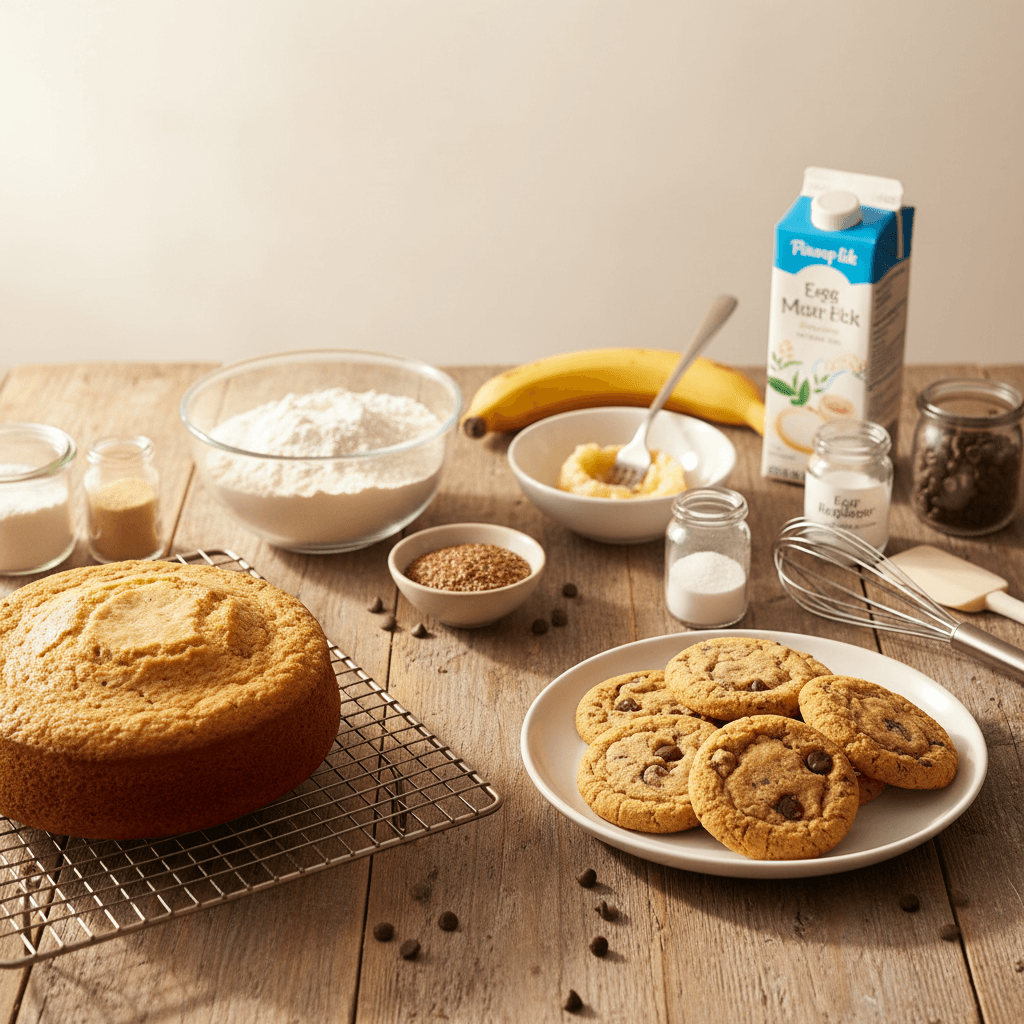
If you're managing both a gluten intolerance and an egg allergy (or sensitivity), you already know the frustration of reading labels that seem designed to exclude you. Most gluten-free mixes contain eggs or egg derivatives, and most egg-free recipes assume you're using wheat flour. This guide bridges that gap with specific products, reliable swaps, and the practical knowledge you need to bake confidently without either ingredient.
Quick-reference table: gluten-free and egg-free products at a glance
| Product | Type | Price range | Gluten-free | Egg-free | Notes |
|---|---|---|---|---|---|
| Bob's Red Mill GF 1-to-1 Baking Flour | Flour blend | $6–$10 | Yes (certified) | Yes | Contains no dairy or eggs; versatile all-purpose use |
| Bob's Red Mill Egg Replacer | Egg replacer | $7–$9 | Yes | Yes | Potato starch and tapioca starch based; no soy |
| Namaste Foods Perfect Flour Blend | Flour blend | $7–$11 | Yes (certified) | Yes | Also free of dairy, soy, corn, and nuts |
| Simple Mills Almond Flour Baking Mixes | Baking mix | $6–$9 | Yes | Requires eggs (see note) | Mix itself is egg-free, but recipes on box call for eggs — use a flax egg or aquafaba instead |
| JUST Egg (plant-based) | Liquid egg replacer | $5–$8 | Yes | Yes | Mung bean based; works for binding in quick breads and pancakes |
| Enjoy Life Baking Chocolate (chips and chunks) | Chocolate | $4–$7 | Yes (certified) | Yes | Free of top 14 allergens; safe for both restrictions |
| King Arthur Measure for Measure GF Flour | Flour blend | $8–$12 | Yes (certified) | Yes | No eggs, dairy, or nuts in the blend itself |
Key takeaways
- Most gluten-free flour blends are naturally egg-free — the eggs typically sneak in through baking mixes and recipes, not the flour itself.
- Aquafaba (chickpea liquid) and flax eggs are the two most reliable egg replacers for gluten-free baking because they add both binding and moisture without altering flavor.
- Always read the full ingredient list on gluten-free mixes — many contain dried egg whites, whey protein, or casein that you might miss on a quick scan.
- Certified gluten-free oat flour paired with a starch like arrowroot or tapioca creates an excellent egg-free-friendly base for muffins and quick breads.
- The biggest pitfall is assuming "allergen-friendly" means free of both — it usually means free of one. Check every label every time.
- Egg replacers perform different functions (binding, leavening, moisture), so choosing the right one depends on what the egg was doing in the original recipe.
Understanding what eggs do in gluten-free baking
Before you can successfully replace eggs, you need to understand why they matter even more in gluten-free recipes than in conventional ones. In wheat-based baking, gluten provides structure and elasticity. When you remove gluten, eggs often become the primary structural backbone holding everything together. That means removing eggs from a gluten-free recipe is like pulling out two load-bearing walls at once.
Eggs serve three main functions in baking: binding (holding ingredients together), leavening (trapping air for rise), and moisture/richness (adding fat and liquid). Our guide to egg functions in baking breaks this down in detail. In gluten-free baking specifically, the binding role is critical because without gluten's stretchy protein network, your batter or dough needs something else to keep it from crumbling apart.
This is why a simple 1:1 swap rarely works. You often need to address binding and leavening separately. For example, a flax egg handles binding well but does almost nothing for lift — so you might pair it with an extra quarter teaspoon of baking powder to compensate.
If you're just getting started with allergen-free baking and feeling overwhelmed by all these variables, our Confident Gluten-Free Baker Toolkit walks you through the fundamentals step by step, including how to adapt recipes for multiple dietary restrictions.
Best egg replacers for gluten-free baking
Not all egg replacers work equally well in gluten-free batters, which tend to be thinner and more fragile than wheat-based ones. Here are the most reliable options, along with when to use each.
Flax eggs
Mix 1 tablespoon ground flaxseed with 3 tablespoons water and let it sit for 5 minutes until gel-like. Flax eggs are excellent binders and add a subtle nutty flavor. They work best in brownies, muffins, and pancakes — denser baked goods where you need structure more than lift. Both the flaxseed and water are naturally gluten-free and egg-free, so there's no cross-contamination concern with whole, single-ingredient flax.
Aquafaba
Aquafaba is the liquid from a can of chickpeas, and it's genuinely remarkable. Three tablespoons replaces one egg for binding; whipped to stiff peaks, it replaces egg whites for meringue-like lift. It's our top pick for cakes and anything that needs a lighter texture. Use it in gluten-free pancakes for surprisingly fluffy results.
Commercial egg replacers
The Bob's Red Mill GF Egg Replacer is our top commercial pick. It's made from potato starch, tapioca flour, and baking soda — all naturally gluten-free and egg-free. It works well for binding in cookies and quick breads. Another solid choice is the Ener-G Egg Replacer, which has been around for decades and is free of gluten, eggs, dairy, soy, and nuts.
Applesauce and mashed banana
For moisture-heavy recipes like gluten-free banana bread, a quarter cup of applesauce or mashed banana can replace one egg. These add moisture and some binding but almost no leavening, so they're best in recipes that already have baking powder or baking soda doing the heavy lifting.
For a deeper dive into choosing the right egg substitute for your specific recipe, check out our guide to choosing egg substitutes.
Best gluten-free flour blends that are also egg-free
The good news is that most standalone gluten-free flour blends don't contain eggs. The risk comes from baking mixes (which often include dried egg or dairy) and from cross-contamination during manufacturing. Here are reliable blends for dual-restriction baking.
The Bob's Red Mill 1-to-1 Baking Flour is widely available and certified gluten-free. It contains rice flour, tapioca starch, potato starch, and xanthan gum — no eggs, dairy, or soy. It's a dependable everyday flour. For a comprehensive look at their full range, see our complete Bob's Red Mill gluten-free product guide.
The Namaste Foods Perfect Flour Blend goes even further — it's free of the top eight allergens, making it one of the safest choices if you're managing multiple restrictions. It uses a combination of tapioca starch, brown rice flour, and arrowroot. Our Namaste Foods review covers how their mixes perform across different recipes.
King Arthur's Measure for Measure flour is another excellent option. It behaves very similarly to all-purpose wheat flour in recipes, which makes adapting conventional egg-free recipes much simpler. Just swap the flour 1:1 and keep your egg replacer of choice.
Watch out for: hidden ingredients that break your second restriction
This is where things get tricky. When you're focused on avoiding gluten, it's easy to miss egg-derived ingredients hiding in products marketed as "gluten-free." And when you're focused on avoiding eggs, you might not catch gluten-containing additives in products labeled "egg-free."
Eggs hiding in gluten-free products
- Dried egg whites or egg white powder — Common in gluten-free bread mixes and cake mixes to improve structure. You'll see this in brands like Cup4Cup's original recipes and some Krusteaz mixes.
- Lysozyme — An enzyme derived from egg whites, sometimes used as a preservative in gluten-free baked goods.
- Lecithin (egg-derived) — While most lecithin in baking products comes from soy or sunflower, some products use egg-derived lecithin. The label should specify, but if it just says "lecithin," contact the manufacturer.
- Albumin — Another name for egg white protein, occasionally found in gluten-free protein-enriched mixes.
Gluten hiding in egg-free products
- Barley malt — Shows up in some egg-free chocolate chips and flavorings. Barley contains gluten.
- Oats (non-certified) — Many egg-free recipes call for oat flour, but unless it's certified gluten-free, oats are almost always cross-contaminated with wheat.
- Modified food starch — Usually corn-based and safe, but can occasionally be wheat-derived. Look for "modified corn starch" or a gluten-free certification.
- Natural flavors — Rarely an issue, but some natural flavors can contain barley-based ingredients. When in doubt, call the company.
The safest approach is to look for products with third-party gluten-free certification (like GFCO) and check the allergen statement for eggs. If a product says "may contain eggs" or "made in a facility that processes eggs," the risk level depends on your sensitivity — but for true egg allergies, we'd skip it.
How to adapt gluten-free recipes to be egg-free
Most gluten-free recipes you find online or in cookbooks will call for eggs. Here's a practical framework for adapting them.
Step 1: Identify what the egg is doing. Is the recipe a dense brownie (binding), a fluffy cake (leavening), or a custard-like bread pudding (moisture and richness)? Our egg functions guide can help you figure this out.
Step 2: Choose your replacer based on function. For binding, use a flax egg or commercial egg replacer. For leavening, use whipped aquafaba or add an extra half teaspoon of baking powder. For moisture, use applesauce, mashed banana, or a quarter cup of yogurt alternative.
Step 3: Adjust the liquid. Gluten-free batters are already moisture-sensitive. When you swap eggs for something wetter (like applesauce), you may need to reduce other liquids by a tablespoon or two. When you swap for something drier (like a commercial powder replacer), you may need to add a tablespoon of liquid.
Step 4: Add extra structure if needed. Without both gluten and eggs, your baked goods may need a little help staying together. A quarter teaspoon of xanthan gum or guar gum (if not already in your flour blend) can make a real difference. Psyllium husk powder is another powerful structural aid — start with one teaspoon per cup of flour.
Recipes that work well without both gluten and eggs
Some baked goods are naturally easier to make without gluten and eggs. If you're new to dual-restriction baking, start with these to build confidence before tackling more complex projects.
- Banana bread and quick breads — The banana itself provides binding and moisture, making egg replacement almost seamless. Check our gluten-free banana bread tips and simply swap the eggs for flax eggs.
- Brownies — Fudgy brownies rely more on fat and sugar for structure than on eggs. A flax egg or even a quarter cup of applesauce works beautifully here.
- Pancakes and waffles — These are forgiving because the batter is already loose. Aquafaba or a commercial egg replacer keeps them fluffy.
- Cookies (drop-style) — Chocolate chip cookies and oatmeal cookies (with certified GF oats) adapt well with flax eggs.
- Muffins — Similar to quick breads, muffins are one of the most forgiving formats for dual-restriction baking.
Recipes that are harder without both gluten and eggs include angel food cake (which depends entirely on whipped egg whites), cream puffs, and anything with a delicate, airy crumb. These aren't impossible, but they require more experimentation.
Troubleshooting common problems
When you remove two major structural components from baking, things can go sideways. Here are the most common issues and how to fix them.
Baked goods that crumble apart
This is the number one complaint in gluten-free egg-free baking. The fix is usually more binding power — try adding an extra flax egg, a tablespoon of psyllium husk, or switching to a flour blend that already contains xanthan gum. Our guide to fixing dry, crumbly gluten-free bakes covers this in depth.
Dense, heavy texture with no rise
Without eggs to trap air, you need to compensate with chemical leaveners. Try adding an extra quarter teaspoon of baking powder. Whipped aquafaba also helps tremendously — fold it in gently at the end to preserve the air bubbles. See our poor rise troubleshooting guide for more strategies.
Gummy or underbaked centers
Egg replacers that add extra moisture (applesauce, banana, aquafaba) can make the center of your bake gummy if you don't adjust. Reduce other liquids slightly, and bake at a slightly lower temperature for a few minutes longer. Our gummy centers guide has detailed fixes.
Frequently asked questions
What is the best egg replacer for gluten-free baking?
Aquafaba and flax eggs are the two most versatile egg replacers for gluten-free baking. Aquafaba excels in recipes that need lift and lightness (cakes, pancakes), while flax eggs provide strong binding for denser bakes like brownies and muffins. For convenience, Bob's Red Mill GF Egg Replacer is a reliable all-purpose option that's also free of dairy and soy.
Are most gluten-free flour blends egg-free?
Yes, most standalone gluten-free flour blends (like Bob's Red Mill 1-to-1 and King Arthur Measure for Measure) do not contain eggs. The eggs typically show up in baking mixes — like cake mixes, bread mixes, and pancake mixes — rather than in plain flour blends. Always check the ingredient list and allergen statement to be sure.
Can you use JUST Egg in gluten-free baking?
JUST Egg works well as a binding agent in gluten-free quick breads, pancakes, and muffins. Use 3 tablespoons of JUST Egg to replace one conventional egg. It's made from mung bean protein and is both gluten-free and egg-free. It doesn't whip up like aquafaba, so it's less effective in recipes that need significant lift from the eggs.
Why do my gluten-free egg-free baked goods fall apart?
Without both gluten and eggs providing structure, baked goods need extra binding support. The most common fix is adding xanthan gum or guar gum (if your flour blend doesn't already include it), using psyllium husk powder, or doubling your egg replacer. Start with our choosing egg substitutes guide to match the right replacer to your recipe.
What gluten-free brands are safe for egg allergies?
Namaste Foods is one of the safest brands for combined gluten and egg restrictions — their products are free of the top eight allergens. Bob's Red Mill and Enjoy Life also offer many products that are both certified gluten-free and egg-free. Always verify by checking the allergen statement on the specific product, as formulations can change.

Written by
Co-founder, BakingSubs
Co-founder of BakingSubs, where he turns the science of ingredient substitutions into tested, reliable guidance for home bakers.
Related Posts
7 Common Healthy Baking Mistakes That Ruin Texture (and How to Fix Each One)
7 Texture Changes With Health Swaps That Catch Bakers Off Guard (and How to Handle Each One)

Gluten-Free Flour Weight Chart: Grams per Cup for 9 Major Brands (and Why the Spread Is Over 20%)
Bake with Confidence
See all
Confident Gluten-Free Baker Toolkit
The science-based system that replaces gluten's seven invisible jobs so your baking turns out soft, fluffy, and foolproof — every time.

Gluten-Free Recipe Vault
Instant access to our complete library of proven gluten-free recipes — no waiting, no guesswork, just results that work tonight.

Fix Your Gluten-Free Bread
Learn the 3-step formula to make bread rise and stay soft, discover why your loaves collapse, and get a tested sandwich bread recipe that actually works.