

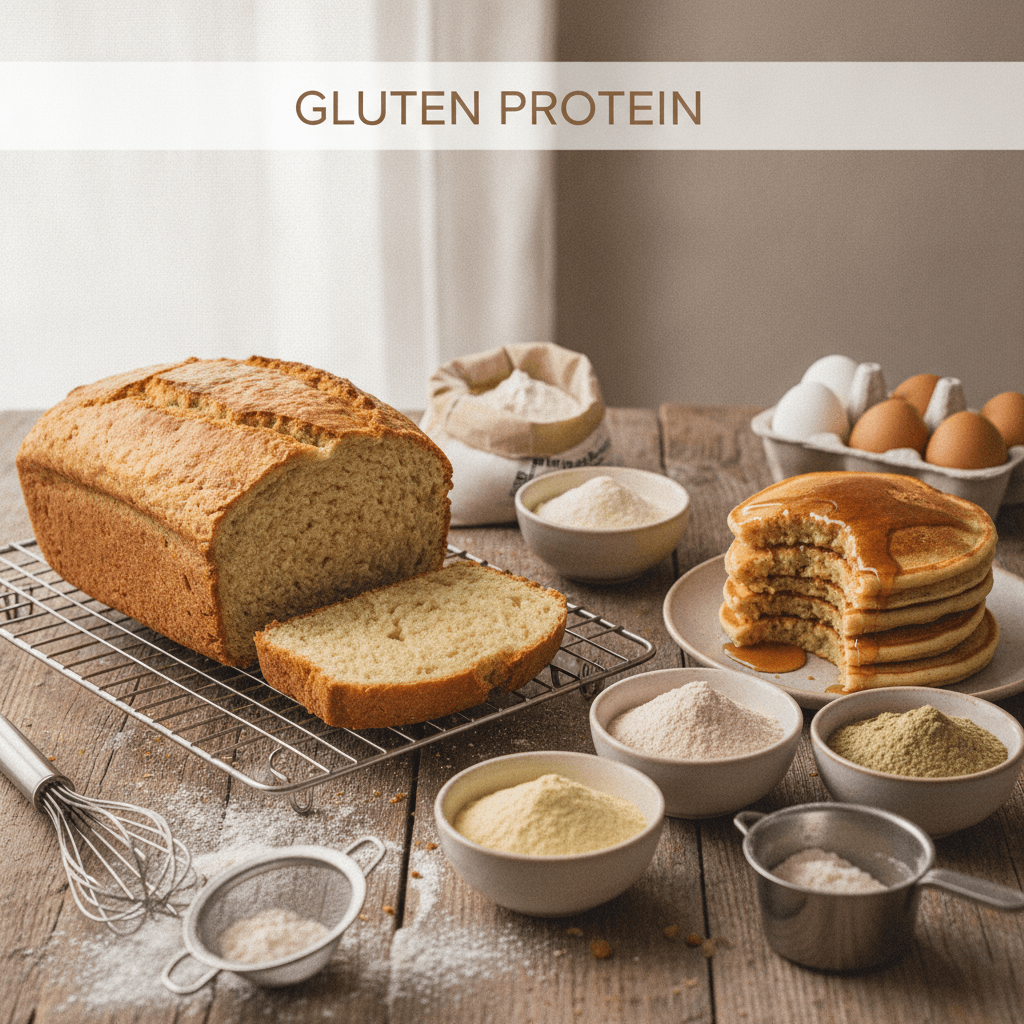
Most protein powders turn baked goods into dry, rubbery pucks. We compared 10 popular brands on protein type, liquid absorption, sweetener heat stability, and scoop-to-protein ratio to find the ones that bake well, and the ones you should avoid no matter how good they taste in a shake.
Here is our ranked verdict, followed by the details that matter: absorption, flour replacement limits, browning, and whether those zero-calorie sweeteners survive oven heat.
Key takeaways
Unflavored whey isolate (specifically Isopure Unflavored) is our top pick for baking because it absorbs the least extra liquid and has no sweetener to turn bitter.
Whey concentrate browns faster than isolate. Plan on reducing oven temp by 15-25°F or your protein muffins will look burnt at 350°F.
Collagen powder adds almost zero structure. It will not replace flour; it just adds protein grams. We covered why collagen mostly fails as a flour supplement in a separate post.
Sucralose survives baking temperatures up to 450°F without bitterness. Stevia can turn metallic above 375°F in some formulations. Monk fruit is stable but contributes zero browning.
The safe flour replacement ceiling for whey isolate is about 25-30% by weight. Go past 30% and the crumb turns rubbery regardless of brand.
Plant blends (pea, rice, hemp) absorb 40-60% more liquid than whey, so you need to add extra moisture or your bake will crater in the center.
Our ranked picks at a glance

Isopure Zero Carb 100% Pure Whey Isolate Protein Powder, Gluten Free, with Vitamins, Unflavored, 25g Protein Per Serving, 1 Lb, 16 Servings (Packaging May Vary)
Check price on Amazon →Rank | Brand & Flavor | Type | Protein/scoop | Liquid absorption vs flour | Max flour replacement | Browning | Sweetener & heat stability | Best for | Buy |
|---|---|---|---|---|---|---|---|---|---|
1 | Isopure Unflavored | Whey isolate | 25g (31g scoop) | ~1.1x flour | 30% | Moderate, even | None | All-purpose baking | |
2 | Naked Whey Unflavored | Whey concentrate | 25g (30g scoop) | ~1.3x flour | 25% | Fast, watch closely | None | Muffins, pancakes | |
3 | Anthony's Egg White Protein | 24g (28g scoop) | ~1.5x flour | 20% | Very fast | None | Meringue-style, airy bakes | ||
4 | Bulk Supplements Whey Isolate | Whey isolate | 27g (30g scoop) | ~1.1x flour | 30% | Moderate, even | None | Budget bulk baking | |
5 | Optimum Nutrition Gold Standard Vanilla | Whey blend | 24g (31g scoop) | ~1.2x flour | 25% | Moderate | Sucralose; stable to 450°F | Vanilla cakes, cookies | |
6 | Legion Whey+ Vanilla | Whey isolate | 22g (31g scoop) | ~1.15x flour | 25% | Moderate | Stevia; can turn metallic above 375°F | Lower-temp bakes only | |
7 | Ghost Whey Peanut Butter Cereal Milk | Whey blend | 25g (36g scoop) | ~1.3x flour | 20% | Fast (contains milk powder) | Sucralose; stable | Novelty flavored treats | |
8 | Ryse Loaded Protein Vanilla Peanut Butter | Whey blend | 25g (38g scoop) | ~1.4x flour | 20% | Fast | Sucralose; stable | Protein cookies with add-ins | |
9 | Orgain Organic Protein Vanilla | Plant blend (pea/rice) | 21g (46g scoop) | ~1.6x flour | 15% | Slow, pale | Stevia + erythritol; stevia can go metallic | Vegan pancakes, low-replacement bakes | |
10 | Vital Proteins Collagen Peptides | Collagen | 20g (20g scoop) | ~0.4x flour | 10% (structural limit) | Almost none | None | Protein boost only, not flour replacement |
Why protein type matters more than brand
Five protein types show up in baking, and they behave nothing alike in an oven. The differences come down to how each protein denatures when heated, how much water it grabs, and whether it can form any kind of structural network.
Whey (isolate and concentrate)
Whey denatures between 158-176°F, well below typical baking temperatures. Once denatured, it forms a gel-like network that can partially mimic gluten structure. This is why whey is the default choice for protein baking. Isolate is purer (90%+ protein) and absorbs less liquid than concentrate (80% protein), which still contains lactose and milk fat. That extra lactose in concentrate is why it browns so aggressively. If you are baking at 350°F with Naked Whey concentrate, check your muffins 5 minutes early.
Casein
Casein forms a much tighter, denser gel than whey. It absorbs roughly 1.8-2x as much liquid as an equal weight of flour. This makes it useful for thick, fudgy protein bars but terrible for cakes and muffins. We do not recommend casein for any bake where you want a light crumb. If you already have casein on hand, limit it to 10% flour replacement and add an extra 2 tablespoons of liquid per 30g of casein.
Egg white protein
Anthony's Egg White Protein creates the most lift of any protein powder because it foams and sets just like fresh egg whites, only drier. It absorbs about 1.5x the liquid of flour. The trade-off: it browns extremely fast. At 375°F, protein muffins with 20% egg white powder will develop a dark crust in 14-16 minutes while the center is still raw. Drop your oven to 325°F and extend bake time by 5-8 minutes. If you are interested in egg white substitutes for high-protein baking, we have a full comparison.
Collagen
Collagen dissolves in liquid and does not gel at baking temperatures the way whey does. It adds zero structure. You can stir Vital Proteins Collagen Peptides into pancake batter and get an extra 10g of protein per serving, but the texture will not change because the collagen is not replacing any of the flour's structural role. Past 10% flour replacement, the crumb falls apart because you have removed flour without adding anything that holds shape. Our full collagen baking post covers the three narrow use cases where it does work.
Plant blends (pea, rice, hemp)
Plant proteins absorb the most liquid of any category. Orgain's pea/rice blend absorbs roughly 1.6x as much liquid as flour, and the scoop is 46g for only 21g of protein, meaning nearly half the scoop is fiber, starch, and flavoring. That extra bulk changes your batter consistency dramatically. You need to add 3-4 tablespoons of extra liquid per scoop of plant protein, or your bake will crater. Plant blends also brown very slowly, so your visual doneness cues will be unreliable. Use a thermometer and pull at 200-205°F internal. For more on hemp protein specifically, we have a detailed breakdown.
Unflavored vs vanilla: which one you actually need
If you bake with protein powder more than once a month, buy unflavored. Here is why.
Flavored powders contain sweeteners (sucralose, stevia, monk fruit, or sugar alcohols) plus artificial or natural flavoring compounds. Those flavoring compounds are designed to taste good in cold liquid. At 350°F for 25 minutes, some of them break down or concentrate in unpredictable ways. Vanilla-flavored whey from Optimum Nutrition tastes fine in cookies because sucralose is heat-stable, but Legion's stevia-sweetened vanilla can develop a metallic edge in anything baked above 375°F.
Unflavored powders give you full control. You add your own vanilla extract ($0.80 per teaspoon of real extract vs the synthetic vanillin in most protein powders), your own sweetener, and your own flavor profile. A 3lb tub of Isopure Unflavored runs about $38 and lasts through 40+ bakes at 1-scoop usage. That is under $1 per bake for 25g of added protein.
If you do want vanilla flavor built in, Optimum Nutrition Gold Standard Vanilla is the safest bet because its sucralose sweetener handles heat without going bitter. Just know that you are locked into that vanilla-sweet flavor in every recipe.
Sweetener heat stability: what actually survives the oven
This matters because a protein powder that tastes great in a shake can turn bitter or metallic after 25 minutes at 350°F.
Sweetener | Found in | Heat stable? | Notes |
|---|---|---|---|
Sucralose | ON Gold Standard, Ghost, Ryse | Yes, to 450°F | No bitterness, no breakdown in normal baking temps |
Stevia (Reb-A) | Legion, Orgain | Partially; metallic notes above 375°F in some formulations | Fine in pancakes (short cook time), risky in muffins/cakes |
Some Orgain varieties | Yes, very stable | No browning contribution; bakes look pale | |
Acesulfame potassium (Ace-K) | ON Gold Standard (secondary) | Yes, to 400°F | Can taste slightly bitter to some people regardless of heat |
None | Isopure Unflavored, Naked Whey, Anthony's, Bulk Supplements, Vital Proteins | N/A | No risk; add your own sweetener |
If you want to sweeten your protein bakes yourself, allulose is our favorite option because it browns like sugar and does not crystallize. For a full rundown of sweetener options, see our glycemic index of baking sweeteners guide.
How much flour you can actually replace (before texture breaks)
This is the single most important number and the one most protein baking recipes get wrong. Replace too much flour with protein powder and you get a dense, rubbery crumb that bounces back when you press it. Here are the typical ceilings:
Whey isolate: 25-30% of flour by weight. At 30%, muffins are noticeably denser but still pleasant. At 35%, they are rubbery.
Whey concentrate: 20-25%. The extra lactose and fat make concentrate bulkier per gram of protein, so you hit the rubber wall sooner.
Egg white protein: 15-20%. Egg white sets very firmly. At 25%, cookies are crunchy to the point of shattering.
Collagen: 10% max, and even then it is not replacing flour structurally. It just dissolves into the batter.
Plant blends: 15% max. The fiber content in pea/rice blends absorbs so much liquid that going higher dries out the crumb completely.
To calculate replacement amounts for a specific recipe, use our recipe scaler tool. Weigh your flour, multiply by your target percentage (say 0.25 for 25%), and that is how many grams of protein powder to swap in.
For a deeper look at the mechanics of protein-flour swaps, including the five fixes that prevent texture problems, read our post on protein powder as flour replacement in baking.
Troubleshooting: dryness, rubberiness, and cratering
These are the three failures that send people searching for answers after their first protein bake goes wrong.
Dryness
Protein powder absorbs more liquid than flour. Whey isolate absorbs about 10% more, but plant blends absorb 40-60% more. If your protein muffins come out dry and crumbly, you did not add enough liquid to compensate.
The fix: Add 1 tablespoon of extra liquid (milk, water, yogurt) per 15g of protein powder swapped in. For plant blends, increase that to 2 tablespoons per 15g. Greek yogurt works especially well because it adds moisture, protein, and fat simultaneously. A 5.3oz container of Fage 0% adds 15g of protein and enough moisture to offset one full scoop of whey.
If your bakes are consistently dry, you may also want to look at fat content. Our guide to adding protein without ruining texture covers seven different methods, including combining protein powder with moisture-rich ingredients like pumpkin puree or zucchini.
Rubberiness
This happens when you replace too much flour. Whey protein forms a tight gel network when heated, and past 30% replacement, that network dominates the crumb. The texture becomes springy and chewy in a way that feels like a rubber eraser, not bread.
The fix: Stay under the replacement ceilings listed above. If you have already mixed a batter that is too protein-heavy, add 2 tablespoons of a starch (tapioca starch or arrowroot powder) to interrupt the protein network. Fat also helps: 1 tablespoon of melted coconut oil or butter per scoop of protein powder softens the crumb significantly.
Cratering (sinking in the center)
Protein bakes that rise beautifully and then collapse in the middle are almost always caused by one of two things: too much leavening or too much liquid absorption from plant protein pulling moisture away from the starch network before it sets.
The fix: Reduce baking powder by 25% in protein-heavy recipes. The protein network sets faster than a normal flour crumb, so excess gas has nowhere to go and the top crust collapses inward. For plant blends specifically, increase oven temperature by 15°F to set the outer structure faster before the center can sink. Internal temperature should reach 200-205°F before you pull the pan.
What to look for when choosing a protein powder for baking
If none of the 10 brands above are available to you, here is how to evaluate any protein powder for baking suitability:
Check the scoop-to-protein ratio. A 30g scoop with 25g protein (like Isopure) is 83% protein. A 46g scoop with 21g protein (like Orgain) is 46% protein. That other 54% is fiber, starch, gums, and flavoring that all affect your bake. Higher protein percentage means more predictable behavior.
Look for "isolate" on the label. Isolates have had lactose, fat, and most fillers removed. They absorb less liquid and brown more evenly than concentrates or blends.
Avoid proprietary blend sweeteners. If the label says "proprietary sweetener blend" without specifying the sweetener, you cannot predict heat stability. Sucralose is safe. Stevia is risky above 375°F. You need to know which one is in there.
Weigh, do not scoop. Protein powder density varies wildly. A "scoop" of Isopure weighs 31g. A "scoop" of Ryse weighs 38g. If a recipe says "one scoop," that is a 23% difference in powder. Use a kitchen scale every time.
Equipment that makes protein baking easier
You do not need specialized equipment, but a few tools reduce the failure rate significantly:
Kitchen scale: Non-negotiable. The OXO Good Grips 11lb Scale ($26) reads to 1g and handles full mixing bowls. Protein powder is too variable in density to measure by volume.
Instant-read thermometer: Protein bakes brown differently than standard bakes, so visual cues are unreliable. The ThermoWorks ThermoPop ($35) tells you when the center hits 200-205°F, which is done.
Light-colored metal pans: Dark nonstick pans accelerate browning, which is already a problem with whey concentrate and egg white protein. Light aluminum or gold-toned pans give you an extra 3-4 minutes before the crust darkens. The USA Pan 12-cup muffin pan ($18) has a light gold finish that works well.
Fine-mesh sieve: Sifting protein powder with your flour before mixing prevents clumps. Whey isolate clumps aggressively in dry mixes. A 30-second sift saves you from white pockets in the finished bake.
Frequently asked questions
Can you replace all the flour with protein powder in baking?
No. Replacing 100% of flour with protein powder produces a dense, rubbery, nearly inedible result. Whey protein forms a tight gel when heated that has none of flour's starch-based tenderness. The maximum safe replacement is 25-30% for whey isolate, 15-20% for egg white protein, and just 15% for plant blends. If you want a higher-protein bake, combine protein powder with almond flour or chickpea flour to keep the crumb soft.
Does protein powder change baking time or temperature?
Yes. Whey concentrate and egg white protein brown faster than regular flour, so you should either reduce oven temperature by 15-25°F or shorten bake time by 3-5 minutes. Plant blends do the opposite: they brown slowly and may need an extra 5 minutes. Use an instant-read thermometer and pull at 200-205°F internal temperature rather than relying on color.
Why do my protein muffins sink in the middle?
Cratering usually means too much leavening or too much moisture absorption from the protein powder. Reduce baking powder by 25% in protein-heavy recipes. If you are using a plant blend, increase oven temperature by 15°F to set the outer structure before the center collapses. Make sure you are adding enough extra liquid to hydrate the protein powder, since under-hydrated batter creates steam pockets that collapse.
Is unflavored or flavored protein powder better for baking?
Unflavored is better for most bakers. It gives you full control over sweetness and flavor, and you avoid the risk of sweeteners turning bitter or metallic in the oven. If you want a flavored option, choose one sweetened with sucralose (like Optimum Nutrition Gold Standard) rather than stevia, which can develop off-flavors above 375°F.
What is the best protein powder for gluten-free baking?
Whey isolate works well in gluten-free baking because it forms a gel network that partially compensates for the missing gluten structure. Isopure Unflavored and Bulk Supplements Whey Isolate are both certified gluten-free. Avoid whey concentrates unless they are specifically labeled gluten-free, since some are processed in facilities that also handle wheat.

Written by
Co-founder, BakingSubs
Co-founder of BakingSubs, where he turns the science of ingredient substitutions into tested, reliable guidance for home bakers.
Related Posts
Best Sugar-Free Cake Mix and Brownie Mix (2026): 14 Options Ranked by Net Carbs, Sweetener, and Price
Best Low Carb Bread Brands (2026): 8 Compared by Net Carbs, Ingredients, and Price
Best Keto Buns, Bagels, and English Muffins: 10 Products Compared by Net Carbs and Ingredients
Bake with Confidence
See all
Confident Gluten-Free Baker Toolkit
The science-based system that replaces gluten's seven invisible jobs so your baking turns out soft, fluffy, and foolproof — every time.

Gluten-Free Recipe Vault
Instant access to our complete library of proven gluten-free recipes — no waiting, no guesswork, just results that work tonight.

Fix Your Gluten-Free Bread
Learn the 3-step formula to make bread rise and stay soft, discover why your loaves collapse, and get a tested sandwich bread recipe that actually works.