
Is Sourdough Bread Gluten-Free? Why Fermentation Isn't Enough (and 6 Breads That Actually Are)
Sourdough fermentation reduces but doesn't eliminate gluten. Learn why wheat sourdough is unsafe for celiac disease and find 6 certified gluten-free sourdough breads.

Malik
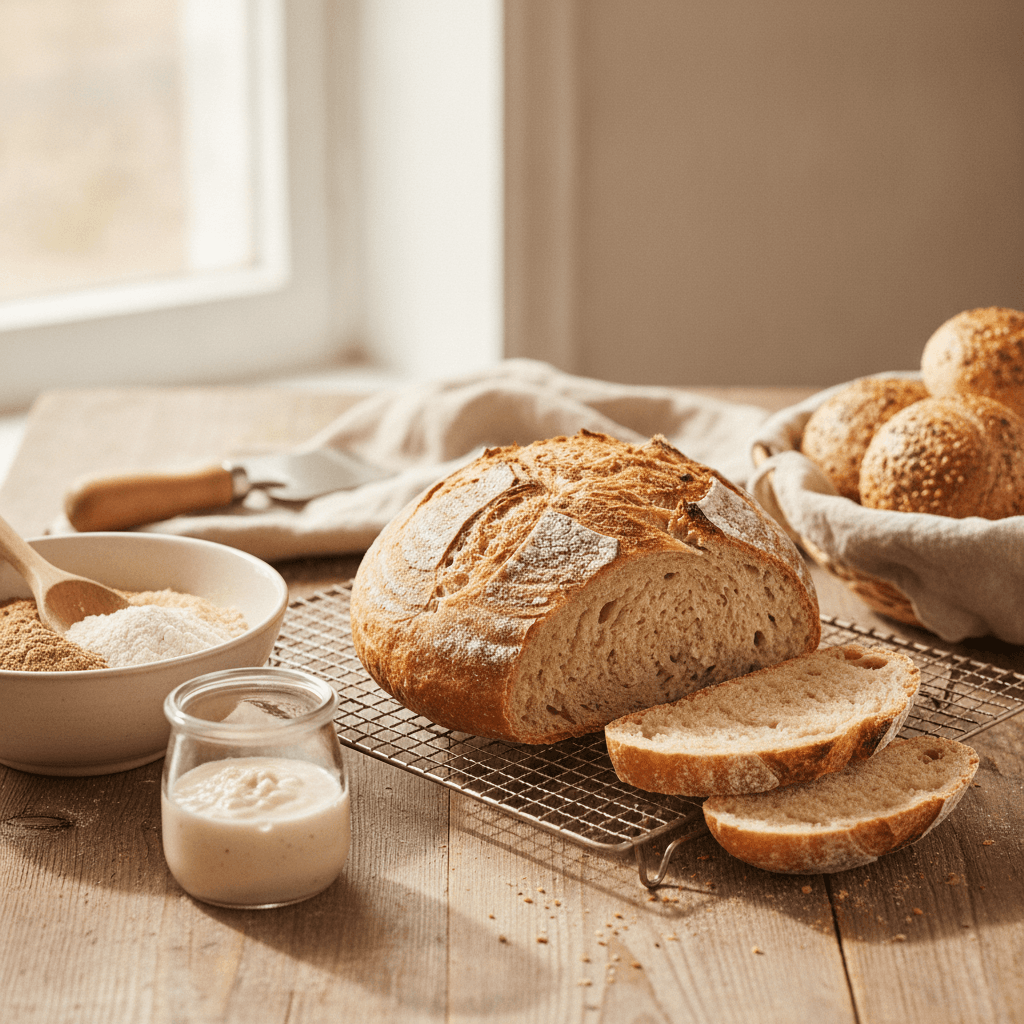
No, traditional sourdough bread is not gluten-free. While sourdough fermentation breaks down some gluten proteins, it does not reduce gluten to safe levels for people with celiac disease or gluten sensitivity. Wheat-based sourdough still contains enough gluten to trigger an immune response and intestinal damage.
If you need truly gluten-free bread with that tangy sourdough flavor, you need loaves made entirely from gluten-free flours. Below, we cover what fermentation actually does to gluten, why it is not enough, and which certified gluten-free sourdough-style breads are safe to eat.
Prices checked September 2026 and vary by store.
Key takeaways
- Sourdough fermentation breaks down some gluten, but ordinary wheat sourdough still tests in the tens of thousands of parts per million (ppm), far above the FDA's 20 ppm threshold for a gluten-free label.
- Regular wheat flour contains roughly 100,000 ppm gluten, and a one-ounce slice of regular wheat bread carries about 3,500 mg. The daily exposure threshold most often cited for celiac disease is about 10 mg (Catassi et al., 2007).
- In the one study that produced wheat bread tolerated by celiac patients (Greco et al., 2011), flour that was only partially hydrolyzed (about 2,480 ppm) still caused intestinal damage. Only fully hydrolyzed flour (8 ppm) was tolerated, and that required selected lactobacilli plus fungal enzymes under lab conditions.
- Certified gluten-free sourdough breads exist. They use rice, millet, sorghum, or buckwheat starters and are baked in dedicated gluten-free facilities.
- GFCO certification (under 10 ppm) is stricter than FDA labeling (under 20 ppm). For celiac disease, GFCO-certified products are the safer choice.
- Bread SRSLY, Simple Kneads, and New Grains make true long-fermented sourdough from gluten-free grains, giving you the tang without the risk.
What fermentation actually does to gluten
Sourdough's wild lactobacilli and yeast produce organic acids and enzymes that partially hydrolyze gluten proteins during long fermentation. A widely cited 2011 study in Clinical Gastroenterology and Hepatology (Greco et al.) found that wheat flour treated with selected sourdough lactobacilli plus fungal proteases could be hydrolyzed to about 8 ppm of gluten, and baked goods made from it were tolerated by celiac patients over 60 days. That study gets referenced constantly in wellness blogs, but here is what those blogs leave out: the researchers used a controlled protocol with specific bacterial strains and added enzymes, and the flour needed gluten-free structuring agents to bake into bread at all. No bakery replicates it.
The same study also tested flour that was only partially hydrolyzed, about 2,480 ppm, which is roughly a 97% reduction. Participants who ate it had no symptoms but developed subtotal atrophy of the intestinal lining. A "97% less gluten" wheat bread is still not a gluten-free bread.
Why "reduced gluten" is not the same as "gluten-free"
Think of it this way: if a glass of water has 100 drops of ink and you remove 97 of them, the water is still visibly blue. For someone with celiac disease, trace amounts of gluten trigger villous atrophy in the small intestine. Beyond Celiac, the Celiac Disease Foundation, and Gluten Free Watchdog all state clearly that wheat-based sourdough is not safe for people with celiac disease, regardless of fermentation time.
How much gluten remains in wheat sourdough bread
| Bread or flour | Measured gluten (ppm) | Safe for celiac? |
|---|---|---|
| Regular wheat flour | About 100,000 (Gluten Free Watchdog) | No |
| Artisan wheat sourdough tested by Gluten Free Watchdog (2015) | 104,000 | No |
| "Gluten neutralized" and "100% sourdough" wheat breads tested by Gluten Free Watchdog (2016, 2018) | Above the test's upper limits (over 84 ppm sandwich ELISA, over 283 ppm competitive ELISA) | No |
| Lab-hydrolyzed wheat flour, partial (Greco et al., 2011) | About 2,480 | No; caused intestinal damage in the study |
| Lab-hydrolyzed wheat flour, complete (Greco et al., 2011) | 8 | Tolerated in the study; not a commercial product |
| Certified gluten-free bread | Below 20 (FDA) or below 10 (GFCO) | Yes |
The numbers above make the gap obvious. Even the most aggressive commercial fermentation leaves wheat sourdough thousands of times above safe thresholds.
Gluten-free sourdough breads that are actually safe
Several brands make sourdough-style bread from brown rice flour, buckwheat flour, sorghum, millet, and other gluten-free grains. The true sourdoughs use gluten-free starters cultured from those same grains. Here are six worth knowing about.
1. Bread SRSLY Seeded Sourdough
Certification: GFCO certified (under 10 ppm); the company says it also tests weekly to 5 ppm. Baked in a dedicated gluten-free, top-9-allergen-free facility in San Francisco.
First three ingredients: Water, organic white rice flour, organic millet flour (with organic sorghum flour, arrowroot, sunflower and poppy seeds, xanthan gum, salt).
Price: About $14.50 per 16 oz loaf when bought as a 3-pack ($44) direct from Bread SRSLY; single loaves at natural-food retailers run higher.
Bread SRSLY is one of the few brands making a true wild-fermented sourdough with a gluten-free starter. The tang is from fermentation, not added vinegar. Reviewers describe a dense but sliceable crumb that holds together for sandwiches.
2. New Grains San Francisco Style Sourdough
Certification: Labeled gluten-free and baked in what New Grains describes as a 100% dedicated, certified gluten-free facility in Provo, Utah. The certifying body is not named on its listings; confirm certification on the package.
First three ingredients: White rice flour, water, eggs (contains eggs; not vegan).
Price: About $23.00 for a 32 oz loaf on Amazon; also sold direct and through specialty retailers.
New Grains uses a proprietary aged gluten-free starter. Reviewers consistently note the crust has more chew than most gluten-free breads, though the crumb can be slightly gummy if not toasted. For tips on avoiding that issue, see our guide to fixing gummy centers in gluten-free baking.
3. Canyon Bakehouse Heritage Style Whole Grain
Certification: GFCO certified (under 10 ppm). Dedicated gluten-free bakery in Johnstown, Colorado.
First three ingredients: Water, brown rice flour, tapioca flour (contains eggs).
Price: About $10.00 for the 24 oz loaf direct from Canyon Bakehouse; the Heritage Style Honey White is about $7.50 at Walmart.
Canyon Bakehouse is not marketed as sourdough, and it is yeast-leavened rather than starter-leavened, but we include it because it is one of the most widely available certified gluten-free breads with a mildly tangy flavor from cultured brown rice flour. It is a good baseline if you cannot find a dedicated gluten-free sourdough brand near you.
4. Simple Kneads Sourdough
Certification: Certified gluten-free by SCS Global Services (not GFCO). Baked in a dedicated gluten-free, top-9-allergen-free facility in Burlington, North Carolina.
First three ingredients: Water, organic millet flour, organic sorghum flour (also teff, quinoa, and buckwheat flours, psyllium husk, flax; no xanthan gum, no commercial yeast).
Price: About $9.00 for a 21 oz loaf at grocery retailers such as FreshDirect.
Simple Kneads uses organic, 100% whole-grain flours and a true sourdough base with no baker's yeast. The flavor is mild and nutty. Its certification is from SCS Global Services rather than GFCO, so check the certifier's threshold if that matters to you.
5. Three Bakers Great Seed Bread
Certification: GFCO certified (under 10 ppm). Dedicated gluten-free facility.
First three ingredients: Water, whole grain brown rice flour, corn starch (contains eggs).
Price: About $9.00 per 17 oz loaf at Vons and Albertsons (less with a store card).
Not a sourdough, but the seed blend (flax, sunflower, pumpkin, sesame, chia, millet, hemp) gives it a hearty flavor that is closer to an artisan loaf than most gluten-free sandwich bread.
6. Schär Deli Style Sourdough
Certification: GFCO certified (Schär states all of its breads are GFCO certified and tests to below 5 ppm). Produced in dedicated gluten-free facilities in Europe and Swedesboro, New Jersey.
First three ingredients: Corn starch, water, sourdough (rice flour, water). Contains soy; may contain sesame.
Price: About $6.00 for the 8.5 oz loaf direct from Schär; also stocked at Walmart and Kroger.
Schär is widely available in the US and Europe and uses a real rice-flour sourdough in this loaf, though it is also yeast-leavened. The sourdough flavor is subtle rather than punchy, and the texture is softer than most gluten-free breads. Good for sandwiches, less ideal if you want a crusty artisan-style loaf.
Comparison: certified gluten-free sourdough breads
| Brand | Certification | Dedicated facility | Primary flour | Sourdough starter | Price per loaf |
|---|---|---|---|---|---|
| Bread SRSLY (16 oz) | GFCO (under 10 ppm) | Yes | White rice flour | Yes, wild-fermented | About $14.50 |
| New Grains (32 oz) | Labeled GF; confirm certification on package | Yes (per brand) | White rice flour | Yes, proprietary | About $23.00 |
| Simple Kneads (21 oz) | SCS Global Services | Yes | Millet flour | Yes, no commercial yeast | About $9.00 |
| Schär Deli Style Sourdough (8.5 oz) | GFCO (under 10 ppm) | Yes | Corn starch | Yes, rice-based, plus yeast | About $6.00 |
| Canyon Bakehouse Heritage Whole Grain (24 oz) | GFCO (under 10 ppm) | Yes | Brown rice flour | No (cultured rice flour for tang) | About $10.00 |
| Three Bakers Great Seed (17 oz) | GFCO (under 10 ppm) | Yes | Brown rice flour | No | About $9.00 |
Checked: September 2026
Who should buy gluten-free sourdough (and who should skip it)
Buy if:
- You have celiac disease or non-celiac gluten sensitivity and miss the tangy flavor of sourdough.
- You want a bread with a more complex flavor profile than standard gluten-free sandwich bread.
- You are baking for someone with celiac disease and want a store-bought option you can trust.
Skip if:
- You do not have a medical need to avoid gluten. Wheat sourdough offers better texture, more protein, and costs less per loaf.
- You expect an identical crumb to wheat sourdough. Gluten-free sourdough is good, but it is a different product. The crumb is denser, and the crust behaves differently.
- You are only avoiding gluten as a general "wellness" choice. Certified gluten-free sourdough typically costs several dollars more per loaf than wheat sourdough, and that premium is not justified without a medical reason.
Can you make gluten-free sourdough at home?
Yes, and many home bakers find it rewarding. The process uses a gluten-free starter made from brown rice flour or buckwheat flour, fed daily for 5–7 days until it doubles consistently. The key differences from wheat sourdough:
- You need a binder. Without gluten, the dough has no structural network. Most recipes use psyllium husk at about 6–8g per 100g flour blend, or xanthan gum at about 1 teaspoon per cup of flour.
- Hydration is higher. Gluten-free sourdough doughs typically run 90–110% hydration, compared to 65–75% for wheat sourdough. The dough looks more like thick batter than a shapeable ball.
- Fermentation is shorter. Gluten-free starters ferment faster because they lack the buffering effect of gluten. Bulk fermentation usually takes 4–8 hours at room temperature (about 72 degrees F), not 12–18.
- Oven spring is limited. Expect a denser crumb. A Dutch oven helps trap steam and improve crust development. Bake at 425 degrees F for 45–55 minutes.
For troubleshooting rise issues, our guide on poor rise in gluten-free baking covers the most common mistakes.
Home bakers who compare starters generally report that brown rice starters are the most predictable and mildest in flavor, buckwheat starters ferment faster and taste earthier, and psyllium-bound loaves hold more moisture and slice more cleanly than xanthan-bound ones. Beyond Celiac publishes a gluten-free sourdough starter and bread guide if you want a tested starting point.
Gluten-free flour weight chart for sourdough baking
Accurate measuring matters more in gluten-free baking than in wheat baking because different starches and flours absorb water at wildly different rates. Here are grams per cup for the most common gluten-free flours used in sourdough, from Bob's Red Mill's published flour weight chart:
| Flour / starch | Grams per cup | Source |
|---|---|---|
| Brown rice flour | 160g | Bob's Red Mill |
| White rice flour | 160g | Bob's Red Mill |
| Tapioca flour/starch | 120g | Bob's Red Mill |
| Potato starch | 192g | Bob's Red Mill |
| Sorghum flour | 140g | Bob's Red Mill |
| Buckwheat flour | 148g | Bob's Red Mill |
| Millet flour | 160g | Bob's Red Mill |
| Oat flour (certified GF) | 120g | Bob's Red Mill |
| Almond flour | 112g | Bob's Red Mill |
For quick conversions, use our flour substitution calculator to adjust recipes between different gluten-free flour blends.
The GFCO vs FDA labeling difference (and why it matters)
The FDA allows any product testing below 20 ppm of gluten to carry a "gluten-free" label. The Gluten-Free Certification Organization (GFCO) requires ingredients and finished products to test below 10 ppm and audits facilities. For someone with celiac disease eating multiple gluten-free products per day, the cumulative gluten exposure from 20 ppm products can add up. Many celiac dietitians recommend prioritizing GFCO-certified products, especially for staples like bread that you eat daily.
Of the six breads listed above, four carry GFCO certification (Bread SRSLY, Canyon Bakehouse, Three Bakers, and Schär). Simple Kneads is certified by SCS Global Services, and New Grains states it bakes in a certified gluten-free facility without naming the certifier on its listings, so check the seal on the package.
Common myths about sourdough and gluten
Myth: "Long-fermented sourdough is safe for celiac disease"
This claim circulates widely on social media and in some wellness books. It is based on a misreading of the 2011 Greco et al. study, which used selected bacterial strains and added fungal enzymes under lab conditions no bakery replicates. No major celiac disease organization endorses wheat sourdough as safe. Beyond Celiac, the Celiac Disease Foundation, and Gluten Free Watchdog all explicitly warn against it.
Myth: "Einkorn or spelt sourdough is gluten-free"
Einkorn and spelt are ancient wheat varieties. They contain gluten. Some people without celiac disease report tolerating them better, but they are not safe for anyone with celiac disease.
Myth: "If I don't react, it's fine"
Many people with celiac disease have no noticeable symptoms from gluten exposure but still show intestinal damage on biopsy; the partially hydrolyzed flour in the Greco study caused exactly that. Silent damage increases long-term risks including osteoporosis, anemia, and certain cancers. The absence of symptoms does not mean the absence of harm.
What about gluten-free bread from other sources?
If sourdough tang is not essential and you just need reliable gluten-free bread, we have a full breakdown of gluten-free baking fundamentals that covers flour blends, binders, and hydration. For staling issues (a common complaint with gluten-free bread), check out our guide on why gluten-free bread stales fast and how to slow it down.
If you are baking bread at home and want to add structure or protein, chickpea flour and quinoa flour both work in gluten-free bread blends at 15–25% of the total flour weight. They add protein and flavor complexity without introducing gluten.
Frequently asked questions
Is sourdough bread safe for celiac disease?
No. Wheat-based sourdough bread is not safe for celiac disease. Fermentation reduces some gluten proteins, but a one-ounce slice of regular wheat bread contains roughly 3,500 mg of gluten, and commercial wheat sourdoughs have tested at over 100,000 ppm. The exposure threshold generally cited for celiac patients is about 10 mg per day. Only bread made from certified gluten-free flours in a dedicated facility is safe.
Does sourdough fermentation remove all gluten?
No. Standard sourdough fermentation reduces some gluten, depending on the bacterial strains, fermentation time, and temperature, but not to anywhere near 20 ppm. One lab study (Greco et al., 2011) reached 8 ppm using selected lactobacilli plus fungal enzymes, and even its partially hydrolyzed flour at about 2,480 ppm damaged participants' intestines. Wheat sourdough from any bakery or home kitchen still contains significant gluten.
What brands make certified gluten-free sourdough bread?
Bread SRSLY (GFCO certified, dedicated facility, wild-fermented rice-based starter) and Simple Kneads (certified by SCS Global Services, dedicated facility, no commercial yeast) are the most established brands making true gluten-free sourdough with live cultures. New Grains also makes a San Francisco-style gluten-free sourdough with a proprietary starter; confirm its certification on the package. Schär's Deli Style Sourdough is GFCO certified and uses a rice-flour sourdough alongside yeast.
Can I make gluten-free sourdough starter at home?
Yes. Use brown rice flour or buckwheat flour mixed with water in equal parts by weight. Feed it daily, discarding half before each feeding. Most gluten-free starters become active and double reliably within 5–7 days at room temperature (about 72 degrees F). Make sure your flour is certified gluten-free to avoid cross-contamination from shared milling equipment.
Is sourdough easier to digest than regular bread for people with gluten sensitivity?
Some people with non-celiac gluten sensitivity report fewer symptoms with long-fermented wheat sourdough, possibly because fermentation breaks down FODMAPs and some gluten peptides. However, this is highly individual, and there is no reliable way to predict who will tolerate it. If you have celiac disease (not just sensitivity), wheat sourdough is unsafe regardless of fermentation time. For a safe alternative, look for bread made entirely from gluten-free grains with GFCO certification.

Written by
Co-founder, BakingSubs
Co-founder of BakingSubs, where he turns the science of ingredient substitutions into tested, reliable guidance for home bakers.
Related Posts
Best Low Carb Bread Brands (2026): 8 Compared by Net Carbs, Ingredients, and Price
Best Keto Buns, Bagels, and English Muffins: 10 Products Compared by Net Carbs and Ingredients
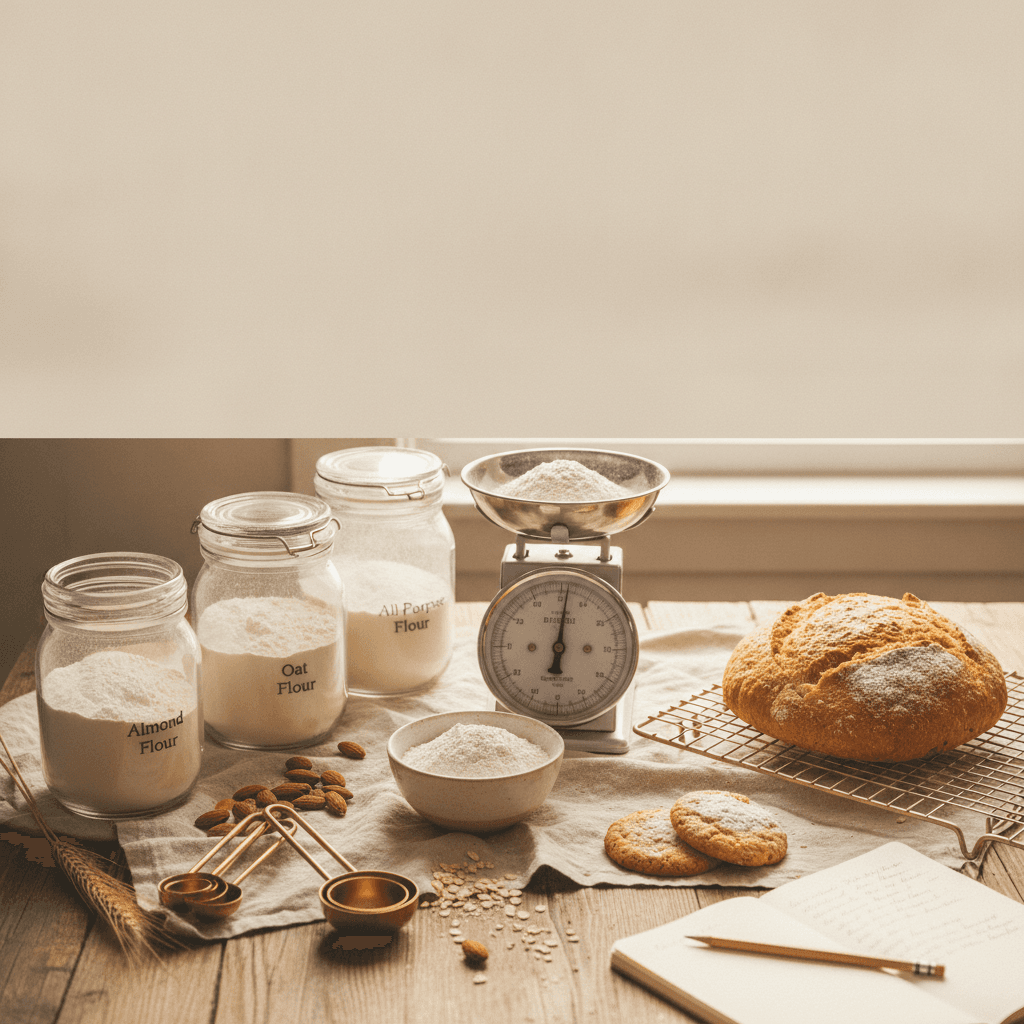
Gluten-Free Flour Weight Chart: Grams per Cup for 9 Major Brands (and Why the Spread Is Over 20%)
Bake with Confidence
See all
Confident Gluten-Free Baker Toolkit
The science-based system that replaces gluten's seven invisible jobs so your baking turns out soft, fluffy, and foolproof — every time.

Gluten-Free Recipe Vault
Instant access to our complete library of proven gluten-free recipes — no waiting, no guesswork, just results that work tonight.

Fix Your Gluten-Free Bread
Learn the 3-step formula to make bread rise and stay soft, discover why your loaves collapse, and get a tested sandwich bread recipe that actually works.