

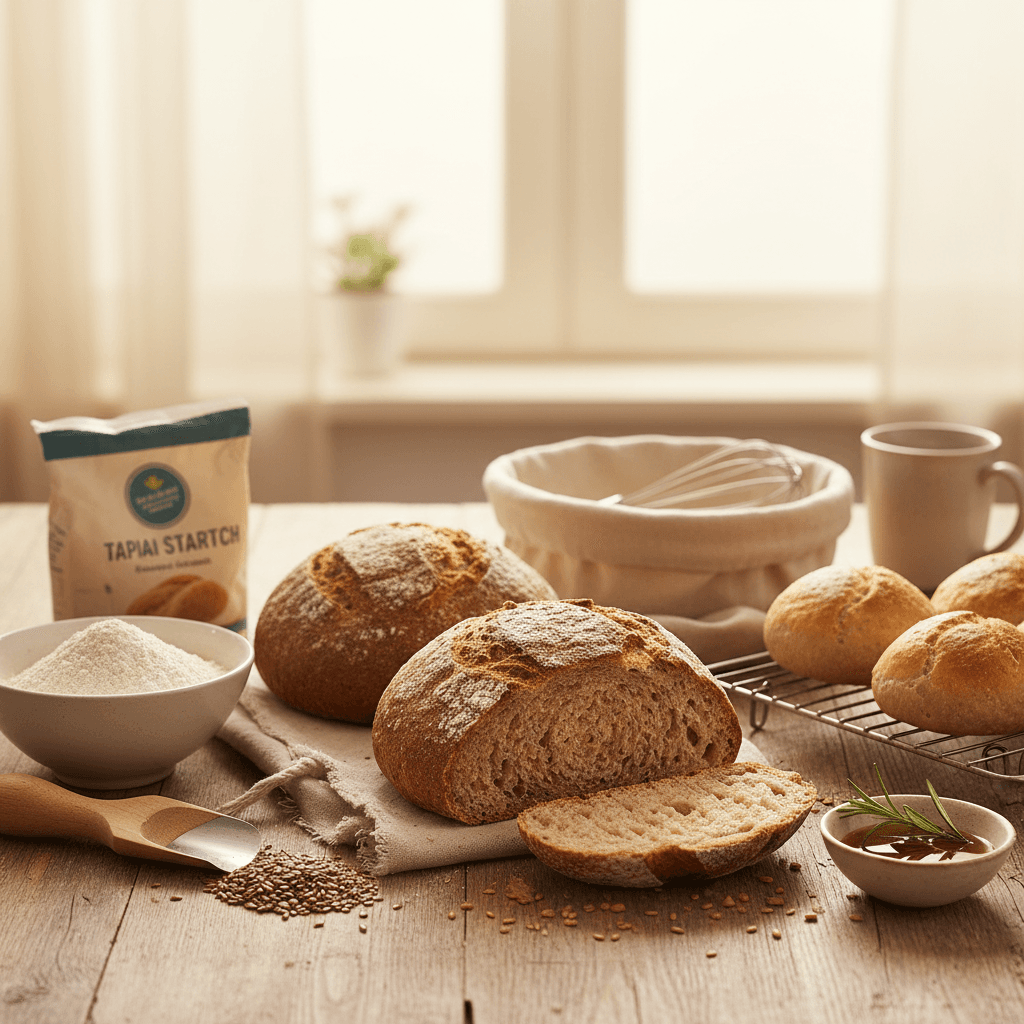
Selling gluten-free bread from home is one of the most profitable niches in the cottage food industry right now, and most local markets have almost zero competition. This guide covers everything from legal requirements and pricing strategy to finding your first customers and building the kind of repeat business that turns a side hustle into real income.
Key takeaways
- Gluten-free bread commands premium prices because customers expect to pay more and rarely push back on pricing, making it one of the most profitable home bakery products.
- Your biggest advantage is that very few home bakers specialize in gluten-free bread, so you face far less competition than someone selling standard sourdough or cookies.
- Celiac and gluten-sensitive customers are fiercely loyal once they find a baker they trust, and they spread the word fast through support groups and online communities.
- Most states allow selling gluten-free bread under cottage food laws, though you need to understand your state's specific labeling and allergen disclosure requirements.
- The gluten-free market is growing steadily, driven by rising celiac diagnosis rates and broader health-conscious eating trends.
- Reaching your target customers requires going where they already gather: celiac support groups, gluten-free Facebook communities, health food stores, and local nutritionist offices.
Why gluten-free bread is one of the best home bakery niches
If you're trying to decide what to sell from a home bakery, gluten-free bread sits in a sweet spot that most bakers overlook. The demand is high, the competition is low, and the customers are willing to pay what your product is actually worth.
Here's why this niche works so well:
Less local competition. Walk into any farmers market and you'll see five or six bakers selling sourdough, cookies, and cinnamon rolls. How many are selling gluten-free bread? Usually zero. Most bakers avoid gluten-free because it requires different techniques and ingredients, which means the field is wide open for you. Our guide on the best gluten-free products to sell for profit breaks down exactly which items have the highest margins.
Higher price tolerance. People with celiac disease or gluten sensitivity already pay $7 to $9 for a small loaf of mediocre gluten-free bread at the grocery store. When you offer them a fresh, artisan-quality loaf, they expect to pay a premium and they don't haggle. This is fundamentally different from selling standard baked goods where customers comparison-shop on price.
Fiercely loyal customer base. When someone with celiac disease finds a baker they trust, they tell everyone. They post in their local celiac support group, they share your name in gluten-free Facebook communities, and they bring your bread to family gatherings where other GF eaters ask where it came from. Word of mouth in this community moves fast.
A growing market. Celiac diagnosis rates continue to climb, and the broader gluten-free market has expanded well beyond medical necessity into general health and wellness. You're not chasing a fad. You're serving a need that's getting bigger every year.
If you want to go deeper on the business fundamentals, our complete guide to starting a gluten-free home bakery walks through every step from kitchen setup to first sale.
Understanding the legal requirements for selling bread from home
Before you sell your first loaf, you need to understand your state's cottage food laws. Most states allow home bakers to sell bread directly to consumers, but the rules around labeling, allergen disclosures, and sales limits vary widely.
Cottage food laws and gluten-free bread
Cottage food laws govern what you can legally sell from a home kitchen without a commercial license. Bread is one of the most commonly permitted items, but here's where it gets important for gluten-free bakers: many states require allergen labeling, and some have specific rules about making health-related claims on packaging. You can't just slap "gluten-free" on a label without understanding what that legally means in your jurisdiction.
The FDA defines "gluten-free" as containing less than 20 parts per million of gluten. If you're labeling your bread as gluten-free, you need to be confident your process and ingredients meet that standard. Our complete guide to cottage food laws covers the state-by-state specifics, and our home bakery license requirements by state page will tell you exactly what paperwork you need.
Cross-contamination is your biggest legal and trust issue
If you're baking in a shared kitchen where wheat flour is also used, you have a real problem. Airborne wheat flour can contaminate surfaces and ingredients for hours. Many serious gluten-free bakers dedicate their entire kitchen to gluten-free production, or at minimum designate specific equipment and baking times.
Your customers are trusting you with their health. A celiac customer who gets sick from your bread won't just stop buying. They'll tell their entire community. Being transparent about your process, whether your kitchen is fully dedicated or you follow strict protocols, builds the trust that drives long-term loyalty. Our gluten-free baking guide covers the technical side of avoiding contamination and getting consistently good results.
If you're building your gluten-free baking skills and want a structured approach to mastering substitutions and troubleshooting, the Confident Gluten-Free Baker Toolkit brings together everything we've learned into one resource.
How to price gluten-free bread from a home bakery
Gluten-free bread should be priced higher than standard bread, and you should never apologize for it. Your ingredients cost more, your process is more involved, and your customers already know this.
Why your ingredients cost more (and how to explain it)
A bag of all-purpose wheat flour costs around $3 to $4. A comparable amount of quality gluten-free flour blend runs $8 to $15. Add in arrowroot powder, xanthan gum, psyllium husk, and specialty starches, and your ingredient costs per loaf can be two to three times higher than a standard bread baker's.
But here's the thing: your customers already expect this. They see the prices at grocery stores. They know gluten-free costs more. The key is communicating value, not apologizing for price. Instead of saying "Sorry, gluten-free ingredients are expensive," say "Every loaf is made with premium gluten-free ingredients in a dedicated kitchen, baked fresh for you."
A realistic pricing framework
We go into full detail in our complete guide to pricing baked goods, but here's a quick framework for gluten-free bread specifically:
| Cost component | Standard bread | Gluten-free bread |
|---|---|---|
| Ingredients per loaf | $1.50 - $2.50 | $3.50 - $6.00 |
| Labor (your time) | $2.00 - $3.00 | $3.00 - $5.00 |
| Packaging | $0.50 - $1.00 | $0.75 - $1.50 |
| Overhead allocation | $0.50 - $1.00 | $0.50 - $1.00 |
| Total cost per loaf | $4.50 - $7.50 | $7.75 - $13.50 |
| Suggested retail price | $6 - $10 | $10 - $18 |
Yes, $12 to $18 for a loaf of artisan gluten-free bread is completely reasonable. Many home bakers undercharge because they feel uncomfortable with higher prices. Don't. Your customers are currently paying $8 for a frozen loaf that tastes like cardboard. Fresh, local, artisan gluten-free bread at $14 is a bargain to them.
How to find gluten-free customers in your area
This is where selling gluten-free bread has a massive advantage over standard baked goods. Your target customers are already organized into communities, and they're actively looking for exactly what you offer.
Local celiac support groups
Nearly every metro area has a celiac support group, often affiliated with the Celiac Disease Foundation or a local hospital. These groups meet regularly and share resources, including recommendations for safe food sources. Reach out to the group organizer, offer to bring samples to a meeting, or ask if you can be listed as a local resource. One introduction to a celiac support group can generate a dozen loyal customers overnight.
Gluten-free Facebook groups and online communities
Search Facebook for groups like "Gluten-Free [Your City]" or "Celiac Life in [Your State]." These groups are full of people asking "Does anyone know where to get good gluten-free bread around here?" When you show up with a genuine answer and a quality product, you become the go-to recommendation. Be helpful first, not salesy. Answer questions, share tips, and let people come to you.
Health food stores and nutritionist partnerships
Local health food stores often have community bulletin boards where you can post a flyer. Some will even carry your bread on consignment if your state's laws allow it. Similarly, local nutritionists and dietitians who work with celiac patients are always looking for safe food recommendations. Drop off a sample loaf and a stack of business cards. These professionals become a powerful referral channel because their recommendation carries trust.
Farmers markets
Farmers markets remain one of the best channels for home bread bakers. Being the only gluten-free bread vendor at a market gives you a built-in monopoly. Customers who need gluten-free bread will find you and come back every week. Our guide on the best baked goods to sell at farmers markets covers which items move fastest and make the most money.
Best types of gluten-free bread to sell from home
Not all gluten-free bread is equally profitable or practical for a home bakery. Focus on products that have high demand, good margins, and reasonable shelf life.
Sandwich bread
This is the workhorse product. Every gluten-free household needs sandwich bread, and most store-bought options are disappointing. A soft, well-structured gluten-free sandwich loaf that doesn't crumble is genuinely life-changing for celiac families. If you can nail this, you'll have repeat customers for years. If your loaves are coming out dry and crumbly, troubleshoot your formula before you start selling.
Artisan loaves and focaccia
These command premium prices and have a "special occasion" appeal. A beautiful gluten-free focaccia with rosemary and sea salt can sell for $14 to $18 and costs less to produce than you might think. They also photograph well for social media and market displays.
Dinner rolls and holiday bread
Seasonal products create natural sales spikes. Gluten-free dinner rolls for Thanksgiving and holiday bread during December can double or triple your normal weekly revenue. Plan your production schedule around these peaks.
Specialty and seeded loaves
Multigrain, seeded, and nut-studded loaves appeal to the health-conscious segment of the gluten-free market. These use ingredients like buckwheat flour, flax, chia, and sunflower seeds, which add nutritional value and justify even higher pricing.
How to build repeat business and recurring revenue
One-off sales are fine for getting started, but the real money in a home bread bakery comes from repeat customers who order every week.
Weekly bread subscriptions
Offer a weekly or biweekly bread subscription where customers sign up for automatic delivery or pickup. This gives you predictable income, lets you plan your production more efficiently, and reduces waste. A subscription model where 20 customers each pay $14 per week for a loaf gives you $280 in guaranteed weekly revenue before you sell a single extra item. That's over $1,100 per month from subscriptions alone.
Custom order system
Set up a simple online ordering system with a weekly cutoff. Bake to order so you're not producing bread that doesn't sell. Many home bakers use a simple Google Form or a basic website with an order page. Keep it straightforward: here's what's available this week, order by Wednesday, pick up Saturday.
Building a referral engine
Give your best customers a reason to spread the word. A simple "refer a friend and get $3 off your next loaf" program costs you almost nothing but taps into the powerful word-of-mouth network in the gluten-free community. Remember, these customers already talk to each other in support groups and online forums. Make it easy for them to recommend you.
If you're thinking about scaling beyond bread into a full product line, our guide on how to scale a home bakery business covers when and how to expand without burning out.
Common mistakes when selling gluten-free bread from home
We see the same mistakes trip up new gluten-free bread bakers over and over. Avoid these and you'll be ahead of most people entering this space.
Underpricing your bread. This is the number one mistake. You are not competing with standard bread bakers. You're competing with the $8 frozen loaves at Whole Foods, and you're offering something dramatically better. Price accordingly.
Not addressing cross-contamination clearly. Your customers will ask about your kitchen setup. Have a clear, honest answer ready. If you bake in a dedicated gluten-free kitchen, say so prominently. It's a major selling point.
Trying to sell to everyone. You don't need to convince the general public to buy gluten-free bread. Focus exclusively on people who already need or want it. Your marketing should speak directly to the celiac and gluten-sensitive community.
Inconsistent quality. Gluten-free bread is technically demanding. If your loaves have gummy centers or poor rise some weeks and are perfect other weeks, you'll lose trust fast. Nail your recipes and processes before you start selling.
Ignoring labeling requirements. Every state has rules about what needs to be on your label. Get this right from day one. It protects you legally and builds customer confidence.
Frequently asked questions
Do I need a special license to sell gluten-free bread from home?
In most states, you can sell gluten-free bread under cottage food laws without a commercial kitchen license. However, requirements vary by state, including sales caps, labeling rules, and where you can sell. Check our home bakery license requirements by state guide for the specifics in your area.
How much can I charge for a loaf of gluten-free bread?
Most home bakers successfully charge $10 to $18 per loaf for artisan gluten-free bread, depending on the type and local market. Gluten-free customers are accustomed to paying premium prices and rarely push back when the quality is good. Our pricing guide for home bakers walks through the exact formula.
How do I prevent cross-contamination when baking gluten-free bread at home?
The safest approach is to dedicate your entire kitchen to gluten-free baking. If that's not possible, use separate equipment, thoroughly clean all surfaces, and schedule gluten-free baking at times when no wheat products are being used. Airborne wheat flour is a real risk, so timing and separation matter. Our gluten-free baking guide covers contamination prevention in detail.
What is the most profitable type of gluten-free bread to sell?
Artisan loaves and specialty seeded breads tend to have the highest margins because customers perceive them as premium products. However, sandwich bread generates the most consistent repeat orders. The best strategy is to offer a core sandwich loaf for subscriptions and rotate specialty loaves for higher-margin add-on sales.
Where can I find customers who want to buy gluten-free bread?
The gluten-free community is highly organized. Start with local celiac support groups, gluten-free Facebook groups for your area, health food store bulletin boards, and partnerships with local nutritionists and dietitians. Farmers markets are also excellent because you'll likely be the only gluten-free bread vendor. Our guide on how to get customers for a home bakery has 15 more strategies.
Ready to turn your gluten-free baking into a real business?
You already know how to bake gluten-free bread. The missing piece is turning that skill into consistent orders and real income. Our free Home Bakery Pro masterclass shows you exactly how to do that, without relying on social media or guessing at what works.

Written by
Co-founder, BakingSubs
Co-founder of BakingSubs, where he turns the science of ingredient substitutions into tested, reliable guidance for home bakers.
Related Posts
Bake with Confidence
See all
Confident Gluten-Free Baker Toolkit
The science-based system that replaces gluten's seven invisible jobs so your baking turns out soft, fluffy, and foolproof — every time.

Gluten-Free Recipe Vault
Instant access to our complete library of proven gluten-free recipes — no waiting, no guesswork, just results that work tonight.

Fix Your Gluten-Free Bread
Learn the 3-step formula to make bread rise and stay soft, discover why your loaves collapse, and get a tested sandwich bread recipe that actually works.