

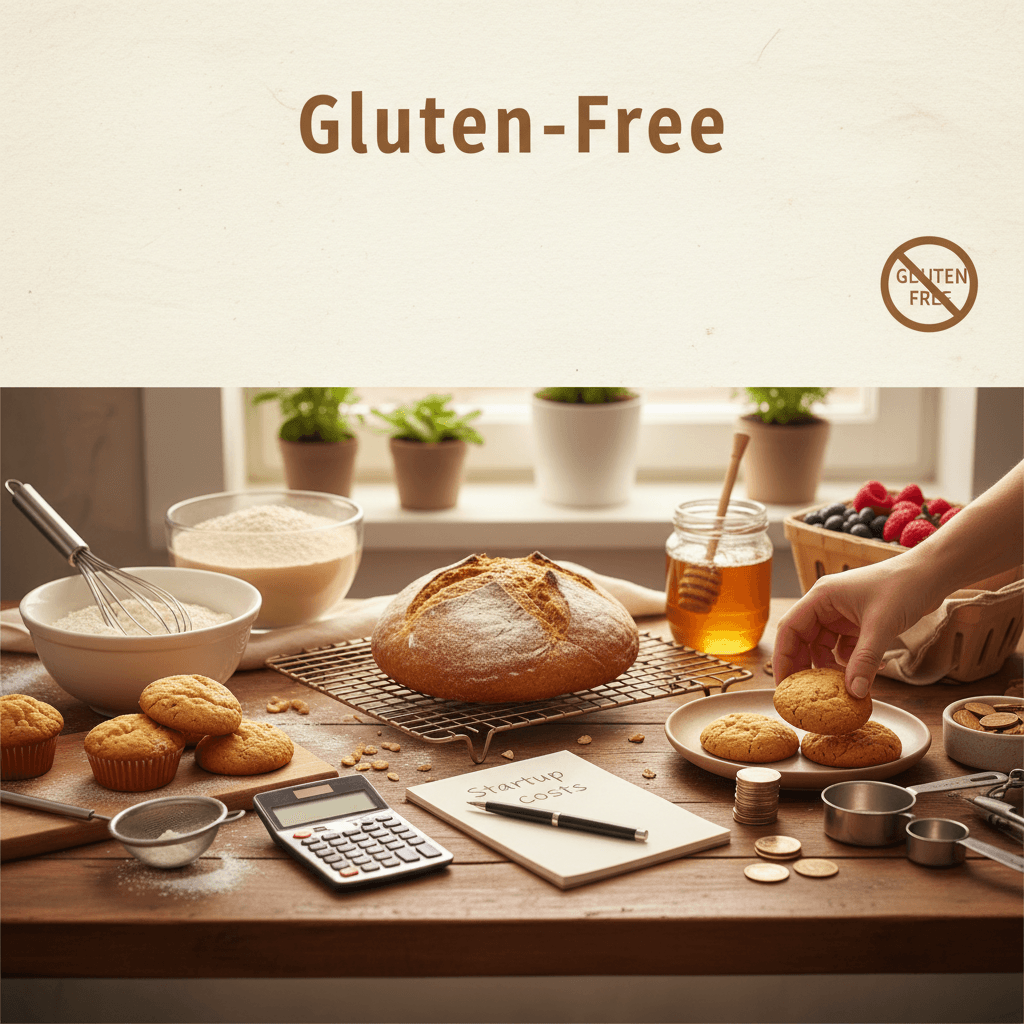
Starting a gluten-free home bakery is one of the smartest moves you can make right now. The gluten-free market is projected to hit $12.3 billion by 2028, and people with celiac disease and gluten sensitivities are desperate for baked goods they can actually trust. Here's exactly how to go from home baker to home bakery owner.
Key takeaways
- Most gluten-free home bakeries can launch for $500 to $2,000 in startup costs, depending on the equipment you already own.
- Cottage food laws in most states allow you to sell baked goods from your home kitchen, but rules vary widely on labeling, sales caps, and allowed products.
- Cross-contamination prevention is the single most important factor that separates a gluten-free home bakery from a regular one.
- Pricing gluten-free baked goods 30-50% higher than conventional equivalents is standard and expected by customers who understand the ingredient costs.
- Building a repeat customer base matters far more than chasing new customers on social media.
- You do not need a commercial kitchen to start in most states, but you do need a plan, proper labeling, and consistent recipes.
Step 1: understand your state's cottage food laws
Cottage food laws are the regulations that allow you to legally sell homemade food products directly to consumers from your home kitchen. Nearly every U.S. state has some version of these laws, but the specifics vary dramatically.
Here's what you need to check for your state:
- Annual sales cap — Some states cap you at $25,000, others at $75,000, and a few have no cap at all.
- Allowed products — Most states allow baked goods like cookies, bread, cakes, and muffins. Some restrict items that need refrigeration.
- Labeling requirements — Many states require labels that include your name, address, ingredients list, allergen warnings, and a statement like "Made in a home kitchen not inspected by the state."
- Permits and registration — Some states require a food handler's permit ($10-$30 in most places), while others require you to register with your county health department.
- Where you can sell — Some states only allow direct-to-consumer sales (farmers markets, your front door), while others allow online sales and delivery.
Search for "[your state] cottage food law" on your state's Department of Agriculture website. The Cottage Food Laws website (cottagefoodlaws.com) also maintains a state-by-state directory, though always verify with your state's official source since laws change frequently.
Typical permit and registration costs run $0 to $200 depending on your state. A food handler's certification course usually costs $10 to $30 online and takes about two hours.
Step 2: set up a dedicated gluten-free workspace
This is where a gluten-free home bakery is fundamentally different from any other home bakery. Cross-contamination is not just a quality issue — it's a safety issue for your customers. If someone with celiac disease gets sick from your product, your reputation and your business are done.
At minimum, you need:
- Dedicated gluten-free equipment — Separate mixing bowls, baking pans, wooden spoons, cutting boards, colanders, and sifters. Gluten can hide in scratches and porous materials.
- A dedicated workspace — Ideally a section of your kitchen that never touches wheat flour. If your household also bakes with wheat, you need strict separation protocols.
- Separate storage — Gluten-free flours and ingredients stored above any wheat-containing products, in sealed containers, on separate shelves.
- Cleaning protocols — Thorough cleaning of all surfaces before every baking session. This means soap and water on counters, not just a quick wipe.
We have a detailed guide on gluten-free baking fundamentals that covers the science behind cross-contamination and how to prevent common texture issues. Understanding these basics will make your products better and give your customers confidence.
If your household is not fully gluten-free, consider making your kitchen 100% gluten-free during production days. Many successful home bakers designate specific days as "bake days" where no wheat products come into the kitchen at all.
Step 3: develop your signature recipes
You do not need 50 products to launch. In fact, starting with 3 to 5 perfected items is much smarter. Here's why: fewer products means tighter inventory management, less waste, and more consistent quality.
Choose products that:
- Ship or transport well (cookies, brownies, quick breads, and scones are great starters)
- Have a reasonable shelf life (at least 3-5 days)
- Use ingredients you can source reliably and affordably
- Showcase your skill and taste different from what customers can buy at the grocery store
Your flour choices matter enormously. A well-crafted gluten-free flour blend is the backbone of every product you sell. Many successful home bakers develop their own proprietary blend, which becomes a competitive advantage. Common base flours include brown rice flour, tapioca starch, and potato starch in various ratios.
Test every recipe at least 5 to 10 times before selling it. Bake it on different days, in different weather conditions, and have people outside your household taste-test it honestly. Document everything — exact weights (not cup measurements), oven temps, bake times, and any adjustments.
If you're still building your gluten-free baking skills and want a solid foundation in flour blends, substitutions, and troubleshooting, the Confident Gluten-Free Baker Toolkit walks you through the fundamentals so your products are consistent from day one.
Step 4: calculate your startup costs
One of the best things about a home bakery is the low barrier to entry. Here's a realistic breakdown of what you'll spend to get started:
| Category | Budget estimate | Notes |
|---|---|---|
| Food handler's permit | $10 - $30 | Required in most states; online course |
| Business registration | $0 - $150 | Varies by state and structure (sole proprietor vs. LLC) |
| Cottage food permit/registration | $0 - $75 | Some states are free, others charge a small fee |
| Dedicated baking equipment | $100 - $500 | Depends on what you already own |
| Initial ingredient stock | $100 - $300 | Gluten-free flours, xanthan gum, starches, etc. |
| Packaging and labels | $50 - $200 | Bags, boxes, stickers, printed labels |
| Basic branding (logo, business cards) | $0 - $200 | Canva is free; professional design costs more |
| Liability insurance (optional but smart) | $200 - $500/year | Covers you if a customer has a reaction |
| Total estimated range | $460 - $1,955 |
If you already have a stand mixer, good baking pans, and a reliable oven, you're on the lower end. If you need to buy basic equipment from scratch, budget closer to the higher end.
One cost many new bakers overlook: a good digital scale. Gluten-free baking is far more sensitive to measurement accuracy than conventional baking. Weighing ingredients instead of using cups will make your products dramatically more consistent.
Step 5: price your products for profit
Underpricing is the number one mistake new home bakers make. Gluten-free ingredients cost significantly more than conventional ones, and your customers know this. They expect to pay more, and they're happy to when the product is worth it.
Here's a simple pricing formula to start with:
(Ingredient cost + packaging cost) x 3 = minimum retail price
That multiplier covers your ingredients, packaging, labor, overhead (electricity, water, cleaning supplies), and profit. Some bakers use a 4x multiplier, which is perfectly reasonable for specialty gluten-free products.
Let's look at a real example:
| Item | Ingredient cost | Packaging | Total cost | Price at 3x | Price at 4x |
|---|---|---|---|---|---|
| Dozen GF chocolate chip cookies | $4.50 | $1.00 | $5.50 | $16.50 | $22.00 |
| GF banana bread loaf | $3.75 | $0.75 | $4.50 | $13.50 | $18.00 |
| 6 GF cupcakes (frosted) | $5.00 | $1.50 | $6.50 | $19.50 | $26.00 |
These prices might feel high if you're comparing them to conventional bakery prices. Don't. You're in the specialty market. A dozen gluten-free cookies at a dedicated GF bakery typically retails for $18 to $28. Price yourself confidently.
Track every ingredient cost carefully. Gluten-free flour prices fluctuate, and your margins can erode quickly if you're not adjusting. Buying in bulk from restaurant supply stores or online retailers can cut your flour costs by 20-40%.
Step 6: handle labeling and allergen safety
Labeling is both a legal requirement and a trust builder. At minimum, most cottage food laws require:
- Product name
- Your name and home address
- Date the product was made
- Complete ingredient list in descending order by weight
- Allergen declaration ("Contains: eggs, tree nuts" etc.)
- Net weight
- The cottage food disclaimer required by your state
For a gluten-free bakery, go above and beyond the minimum. Include a clear "Gluten-Free" label and consider adding "Produced in a dedicated gluten-free kitchen" if that's true. This statement is incredibly valuable to celiac customers and sets you apart from bakeries that just happen to offer a few GF options.
If you also handle common allergens like tree nuts, dairy, or eggs, disclose that clearly. Customers with multiple food sensitivities will appreciate the transparency, and it protects you legally. Our guide on gluten-free and nut-free baking substitutes can help if you want to expand into allergen-friendly products that serve an even wider customer base.
Step 7: find your first customers
You don't need thousands of Instagram followers to build a profitable home bakery. In fact, the most successful home bakers we've seen build their businesses through these channels:
- Word of mouth — Give samples to friends, family, coworkers, and neighbors. Ask them to tell anyone they know who eats gluten-free.
- Local celiac and gluten-free support groups — These exist in almost every metro area, both in-person and on Facebook. These communities are tight-knit and loyal. One recommendation can bring you 10 new customers.
- Farmers markets — A booth at a local farmers market gets your product in front of people who are already willing to pay premium prices for quality food. Booth fees typically run $25 to $75 per market day.
- Local Facebook groups — Neighborhood groups, buy-nothing groups, and local foodie groups are goldmines. Follow each group's rules about self-promotion.
- Partnerships with local businesses — Coffee shops, juice bars, and health food stores sometimes carry local products on consignment.
The key insight most new bakers miss: getting repeat customers is far more valuable than constantly finding new ones. A customer who orders from you every two weeks is worth $500+ per year. Ten of those customers and you have a real business.
Step 8: scale smartly without burning out
Home bakery burnout is real. Many bakers start strong, take every order, bake seven days a week, and flame out within six months. Here's how to avoid that:
- Set a weekly order limit — Decide how many orders you can comfortably fill per week and stick to it. Starting with 10-15 orders per week is reasonable.
- Batch your baking — Designate 2-3 baking days per week rather than baking on demand. This is more efficient and reduces burnout.
- Create an order schedule — Require orders by Wednesday for weekend pickup, for example. This gives you time to plan, shop, and bake without last-minute stress.
- Raise prices before adding products — If you're maxed out on orders, raise your prices before adding new items. More products means more complexity, more inventory, and more chances for mistakes.
- Track your numbers — Know your cost per item, your profit per item, your weekly revenue, and your hourly rate. If you're making less than minimum wage after costs, something needs to change.
When you're ready to expand your product line, having a strong foundation in pantry management and ingredient sourcing will help you keep costs under control as you scale.
Common mistakes that sink gluten-free home bakeries
We've seen these patterns over and over. Avoid them and you're already ahead of most people who try this:
- Not testing for cross-contamination — If your kitchen also processes wheat, you need airtight protocols. One sick customer can end your business permanently.
- Pricing too low — Competing on price with grocery store GF products is a losing game. Compete on quality, freshness, and trust instead.
- Trying to please everyone — You don't need to be gluten-free, dairy-free, egg-free, nut-free, and vegan all at once. Start with gluten-free done exceptionally well.
- Skipping the legal basics — Operating without proper permits or insurance feels fine until something goes wrong. Do it right from day one.
- Inconsistent quality — If your chocolate chip cookies taste different every time, customers won't reorder. This is why understanding common gluten-free baking problems and how to fix them matters so much.
What a realistic first year looks like
Let's put some real numbers on this. Here's a conservative scenario for a gluten-free home bakery in year one:
| Month | Weekly orders | Avg. order value | Monthly revenue |
|---|---|---|---|
| Months 1-3 | 5-8 | $25 | $500 - $800 |
| Months 4-6 | 10-15 | $30 | $1,200 - $1,800 |
| Months 7-12 | 15-25 | $35 | $2,100 - $3,500 |
At a 3x pricing multiplier, roughly one-third of that revenue goes to ingredients and packaging, leaving you with $10,000 to $25,000 in gross profit in year one. That's a meaningful side income, and many home bakers grow well beyond that in year two and three.
The bakers who hit the higher end of these numbers share one thing in common: they focus on building relationships with repeat customers rather than constantly chasing new ones.
Frequently asked questions
Do I need a commercial kitchen to start a gluten-free home bakery?
In most states, no. Cottage food laws specifically allow you to bake and sell from your home kitchen. Some states have annual revenue caps (typically $25,000 to $75,000) before you'd need to move to a commercial space. Check your state's cottage food law for the specific rules that apply to you.
How much does it cost to start a gluten-free home bakery?
Most people can launch for $500 to $2,000, depending on what equipment they already own. The biggest costs are dedicated gluten-free baking equipment, initial ingredient stock, packaging, and permits. Liability insurance adds $200 to $500 per year and is strongly recommended even if not required.
How do I prevent cross-contamination in a home bakery?
Use dedicated equipment that never touches gluten-containing ingredients, maintain separate storage for all gluten-free flours and ingredients, and thoroughly clean all surfaces before baking. If your household also uses wheat products, designate specific days as gluten-free-only baking days. Our gluten-free baking guide covers the science behind contamination prevention in detail.
How should I price gluten-free baked goods from a home bakery?
A good starting point is 3 to 4 times your total cost (ingredients plus packaging). Gluten-free baked goods are typically priced 30-50% higher than conventional equivalents, and customers in this market expect and accept that. A dozen gluten-free cookies typically retails for $18 to $28 from a dedicated GF bakery.
Can I sell gluten-free baked goods online from my home?
This depends entirely on your state's cottage food laws. Some states allow online sales and delivery, while others restrict you to direct, in-person sales only (like farmers markets or porch pickup). A growing number of states have updated their laws to allow online ordering with local delivery or pickup, so check your state's current regulations.
Ready to turn your baking into a real business?
You now have the roadmap. But knowing the steps and executing them consistently are two different things. The bakers who succeed long-term aren't just good at baking — they have a system for getting orders, keeping customers coming back, and running their bakery without burning out.

Written by
Co-founder, BakingSubs
Co-founder of BakingSubs, where he turns the science of ingredient substitutions into tested, reliable guidance for home bakers.
Related Posts
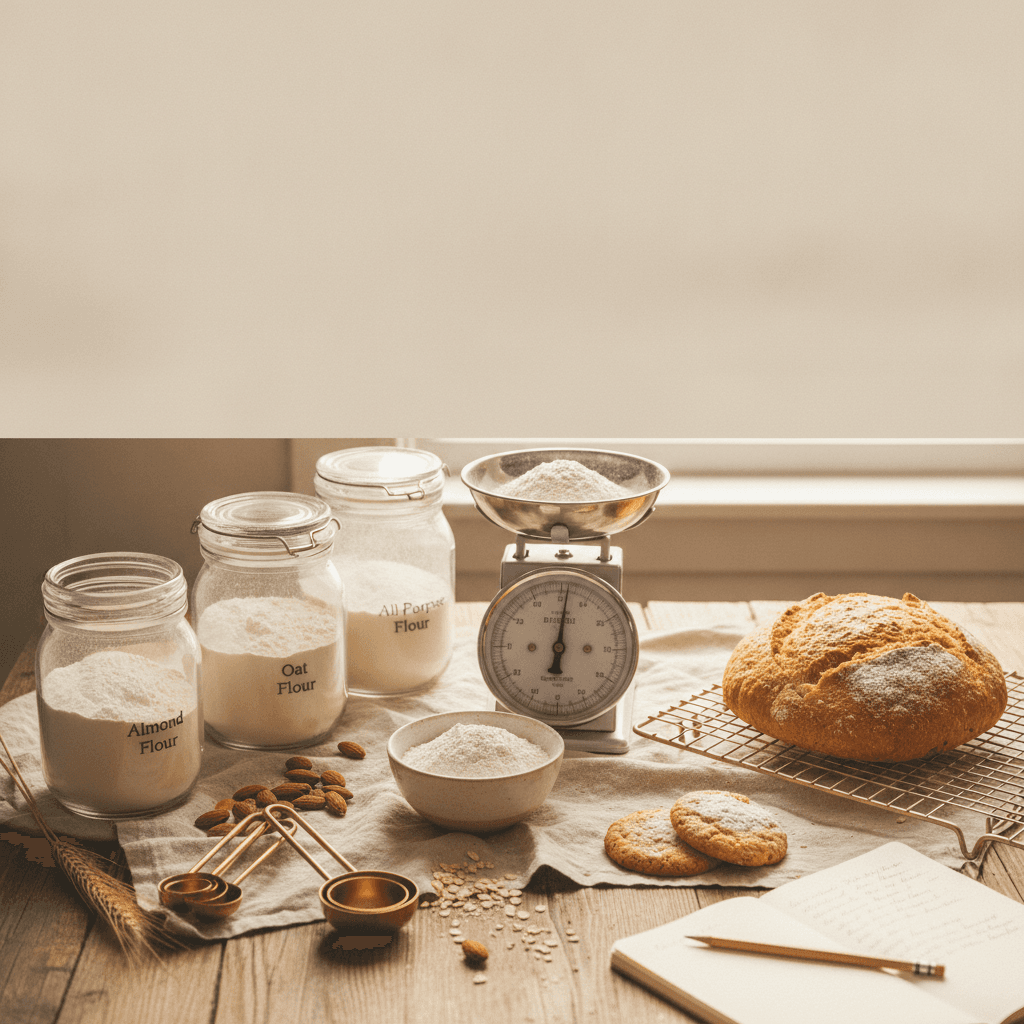
Gluten-Free Flour Weight Chart: Grams per Cup for 9 Major Brands (and Why the Spread Is Over 20%)
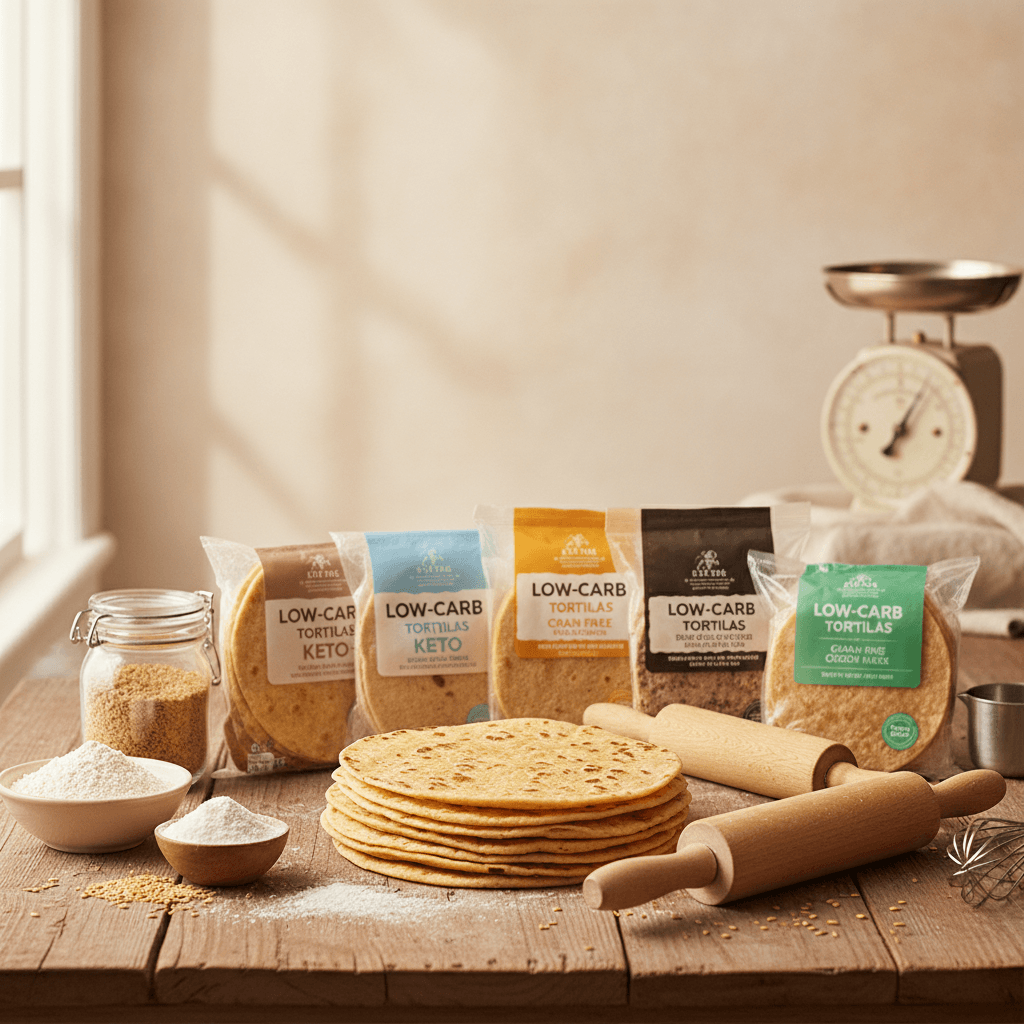
Best Low Carb Tortillas (2026): 6 Brands Compared by Net Carbs
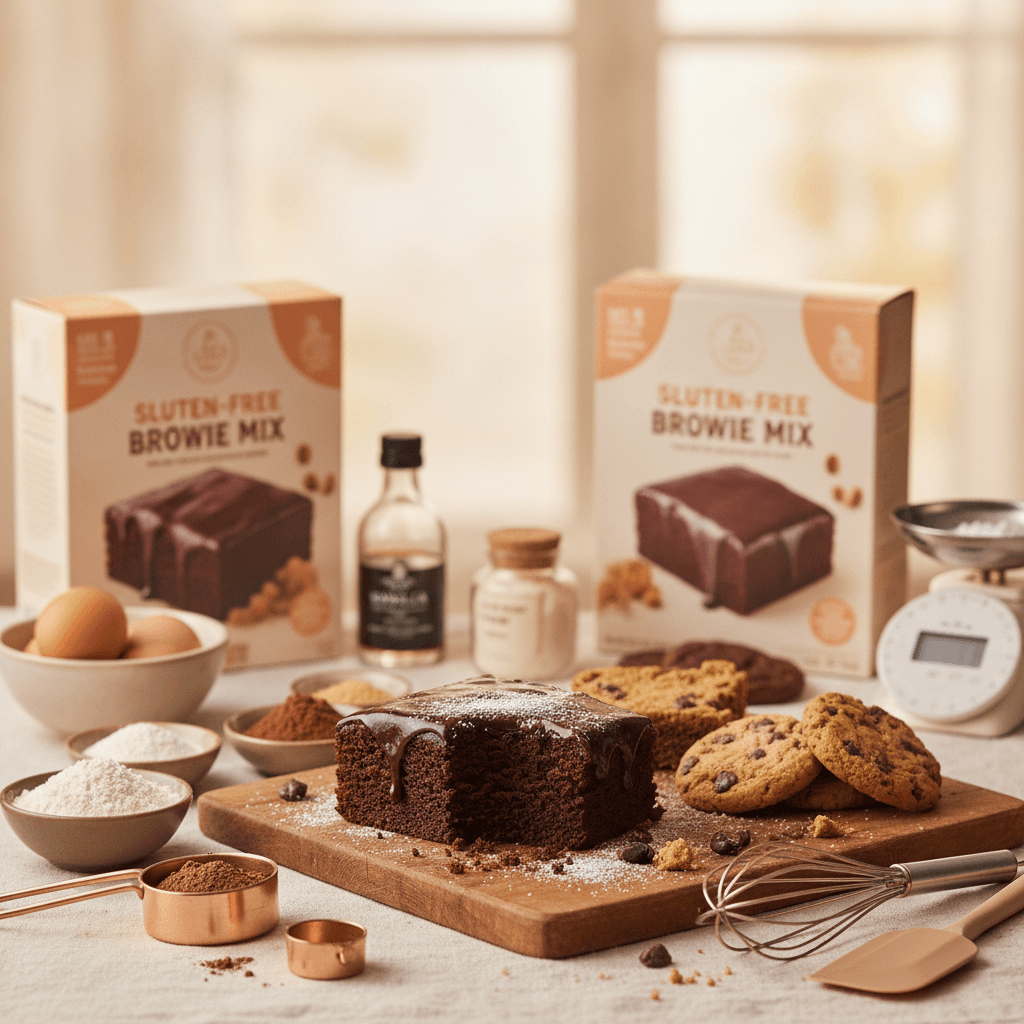
Best Sugar-Free Cake Mix and Brownie Mix (2026): 14 Options Ranked by Net Carbs, Sweetener, and Price
Bake with Confidence
See all
Confident Gluten-Free Baker Toolkit
The science-based system that replaces gluten's seven invisible jobs so your baking turns out soft, fluffy, and foolproof — every time.

Gluten-Free Recipe Vault
Instant access to our complete library of proven gluten-free recipes — no waiting, no guesswork, just results that work tonight.

Fix Your Gluten-Free Bread
Learn the 3-step formula to make bread rise and stay soft, discover why your loaves collapse, and get a tested sandwich bread recipe that actually works.