

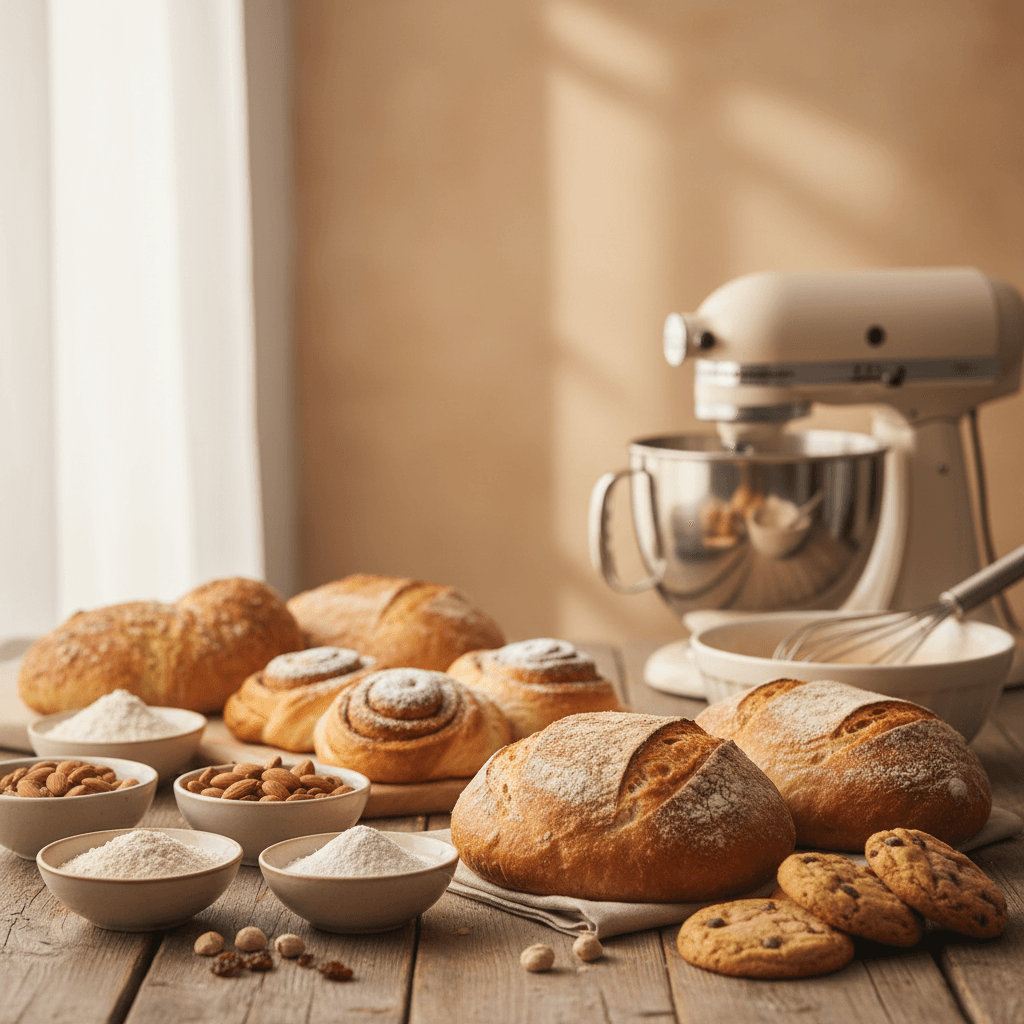
You have the skills, you have the kitchen, and people keep telling you to "just start selling" — but you're stuck on what to sell. Or worse, you started selling everything anyone asked for, and now you're exhausted, undercharging, and wondering if this will ever feel like a real business. The niche you choose (or don't choose) determines whether your home bakery generates consistent income or stays an expensive hobby.
This post gives you a concrete framework for evaluating niche ideas — not just a list of trendy products — so you can pick one that fits your life, your market, and your income goals.
Key takeaways
- The most profitable home bakery niches solve a specific problem for a specific customer — not "I bake everything for everyone."
- A good niche has repeat-order potential, healthy margins (aim for 65-75% gross margin minimum), and demand you can validate before you invest.
- Dietary-specific niches (gluten-free, vegan, keto, allergen-friendly) command premium pricing and have less local competition than general baking.
- Your niche should match your production capacity — a solo home baker making 20 custom cakes a month will burn out; a solo baker selling 80 loaves of one bread recipe can thrive.
- You do not need social media to fill orders in a well-chosen niche — word of mouth, local partnerships, and repeat customers do the heavy lifting.
- Picking a niche is not permanent. It is a strategic starting point you refine as you learn what your market actually buys.
Why choosing a niche matters more than choosing a recipe
Most home bakers skip the niche question entirely. They post on Facebook: "Taking orders! Cakes, cookies, cupcakes, bread, brownies..." and then wonder why orders are sporadic and exhausting. The problem is not your baking. The problem is that when you sell everything, you are memorable for nothing.
A niche does three things for your business: it makes you the obvious choice for a specific customer, it lets you streamline production so you are not reinventing the wheel every week, and it gives you pricing power because specialists always command higher prices than generalists. A home baker selling "custom cakes" competes with every other home baker in town. A home baker selling "allergen-friendly celebration cakes for kids with food allergies" has a line of parents who will happily pay $85-120 for a cake their child can safely eat.
If you are feeling stuck between hobby and business, Aurelia Lambrechts at Philosophy of Yum has a free masterclass specifically for home bakers who want consistent orders and stable income — without relying on social media. She is a former architect who replaced her full-time salary with bakery income in three months and has coached over 500 home bakers since 2018. We recommend it as a next step once you have narrowed down your niche direction.
The niche evaluation framework: 5 questions to ask before you commit
Before we get into specific niche ideas, here is the diagnostic we recommend running on any niche you are considering. A great niche scores well on all five criteria — not just one or two.
1. Does this niche have repeat-order potential?
One-time orders (like wedding cakes) can be lucrative per unit but require constant new customer acquisition. Repeat niches — weekly bread subscriptions, monthly cookie boxes, regular office catering — build predictable income. The best home bakeries we have seen generate 60-80% of revenue from repeat customers.
2. Can you hit 65-75% gross margins?
If your ingredient cost per item is $4 and you sell it for $12, your gross margin is 67%. That is healthy. If your ingredient cost is $8 and you sell for $12, you are working for less than minimum wage once you factor in your time. Niches with expensive specialty ingredients need proportionally higher prices. If you have not dialed in your pricing yet, our guide on how to stop undercharging for your baked goods walks through the math.
3. Is there local demand you can validate?
Before investing in packaging and branding, can you find 10 people in your area who would buy this product this month? Check local Facebook groups, farmers market vendor lists, and allergen-specific parent groups. If you cannot find evidence of demand, that is a red flag — not a sign you need to "educate the market."
4. Does it fit your production capacity?
A solo home baker working 15-20 hours per week in their kitchen has a ceiling. The niche needs to work within that ceiling. Bread and cookies scale well because you can batch efficiently. Custom decorated cakes do not scale because every order is unique. Our post on how to batch bake efficiently for big orders breaks down how to think about production capacity realistically.
5. Can you sustain this without burning out?
If you hate decorating but choose a custom cake niche because the margins look good, you will dread every order within three months. Your niche needs to involve work you can do consistently for years, not just work that sounds profitable on paper. If you are already feeling the strain, our guide on home baker burnout is worth reading before you commit to anything new.
15 home bakery niche ideas ranked by profitability and scalability
Here are the niches we see working best for home bakers right now, organized by how well they score on the framework above. These are not hypothetical — they are based on what real home bakers are actually building sustainable income around.
| Niche | Typical price range | Repeat potential | Scalability | Competition level |
|---|---|---|---|---|
| Allergen-friendly baked goods (GF, nut-free, dairy-free) | $6-15/item | High | High | Low-Medium |
| Artisan sourdough bread (weekly subscription) | $8-14/loaf | Very high | High | Medium |
| Decorated sugar cookies (corporate/event) | $48-96/dozen | Medium | Low | High |
| Keto/low-carb baked goods | $8-18/item | High | High | Low |
| Vegan baked goods | $5-12/item | High | High | Medium |
| Dog treats and pet bakery | $8-15/bag | Very high | Very high | Low |
| Cultural/heritage baked goods | $6-20/item | Medium-High | Medium | Very low |
| Bread-of-the-month subscription boxes | $30-55/box | Very high | High | Low |
| Pie specialist (seasonal + weekly) | $25-45/pie | Medium-High | Medium | Medium |
| Brownies and bars (gift boxes) | $24-48/box | High | High | Medium |
| Kids' birthday cakes (allergen-safe) | $85-150/cake | Low-Medium | Low | Low |
| Office and corporate catering treats | $3-6/piece (bulk) | Very high | High | Low |
| Farmers market bread and pastry stand | $5-14/item | High | Medium | Medium |
| Cookie decorating kits (DIY) | $28-45/kit | Medium | High | Medium |
| Seasonal/holiday specialty (e.g., hot cross buns, stollen) | $15-40/item | Seasonal | Medium | Low |
Let us dig into the top-performing niches in more detail.
Allergen-friendly baking: the highest-value niche most bakers overlook
Allergen-friendly baking — gluten-free, nut-free, dairy-free, or multi-allergen-safe — is one of the most underserved and highest-margin niches available to home bakers. Parents of kids with food allergies, adults with celiac disease, and people managing multiple dietary restrictions are actively searching for bakers they can trust. And they are willing to pay a premium.
A gluten-free loaf of bread that costs $3.50 in ingredients can sell for $10-14. A dozen allergen-friendly cupcakes for a child's birthday party can command $48-72. The key is trust: these customers need to know you understand cross-contamination, that you source safe ingredients, and that you take their health seriously. That trust creates fierce loyalty and repeat business.
If you are considering this niche, you will want to get your ingredient knowledge dialed in. Our gluten-free baking guide covers the fundamentals, and understanding how different flours and binders work — like the differences between guar gum and xanthan gum — will set you apart from bakers who just swap in a box mix.
Sourdough and artisan bread subscriptions: built for repeat income
Weekly bread subscriptions are one of the most scalable home bakery models because you bake the same products on the same schedule every week. No custom orders. No back-and-forth with clients about design. You develop a rotation of 3-5 bread varieties, your customers choose each week, and you batch bake on set days.
Real numbers: A home baker producing 40 loaves per week at $10/loaf generates $400/week ($1,600/month) with ingredient costs around $120-160. That is roughly $1,400-1,500/month in gross profit from roughly 12-15 hours of baking time per week. It is not a fortune, but it is stable, predictable income that you can grow by adding pickup locations or expanding your bake days.
The challenge is that sourdough has gotten trendy, so you need a differentiator. That might be heritage grains, local ingredients, or a specific dietary angle (like gluten-free sourdough, which is a genuinely underserved market).
Keto and low-carb baking: premium pricing with less competition
The keto and low-carb market is still growing, and most commercial options taste terrible. If you can make keto brownies, bread, or cookies that actually taste good, you have very little local competition. Customers in this niche are used to paying premium prices — $12-18 for a small batch of cookies is normal because the alternative (store-bought keto products) costs nearly the same and tastes worse.
Ingredient costs are higher (almond flour, monk fruit sweetener, and specialty fats add up), so you need to price accordingly. But the margins still work because customers expect higher prices. A dozen keto cookies might cost $5-7 in ingredients and sell for $24-36.
Dog treats: the sleeper niche with the best repeat rate
This one surprises people, but homemade dog treats are one of the easiest home bakery niches to start and scale. Ingredient costs are extremely low (peanut butter, pumpkin, oats, sweet potato). Production is simple and fast. And dog owners buy treats constantly — monthly or even biweekly.
A bag of 20 homemade dog biscuits might cost $1.50 in ingredients and sell for $10-15. Cottage food laws in many states cover pet treats (check your state's specific regulations). You can sell at farmers markets, pet stores, groomers, and veterinary offices. And the best part: dogs do not leave negative reviews about your buttercream consistency.
Cultural and heritage baking: low competition, deep loyalty
If you have a cultural baking tradition — whether that is conchas, babka, mantecaditos, mooncakes, or any other heritage recipe — you have a built-in niche with almost zero local competition. People who grew up with these flavors and cannot find them locally will drive across town and pay premium prices.
This niche also has strong emotional appeal, which makes it easier to build a brand and get word-of-mouth referrals. The challenge is that demand may be seasonal or community-specific, so you may need to pair it with a broader offering or focus on online shipping. Our guide on how to ship baked goods without them breaking can help if you want to expand beyond local delivery.
How to narrow down to your one niche
If you are looking at this list and feeling more overwhelmed, not less, here is a simple decision process. Grab a piece of paper and answer these four questions honestly:
- What do people already ask you to bake? The market is telling you something. If three people have asked you for gluten-free birthday cakes in the last six months, that is signal, not coincidence.
- What can you batch produce without hating your life? Passion fades. Pick something you can do on a Tuesday morning when you are tired and still produce a quality product.
- What is underserved in your specific area? Search Facebook Marketplace, local food groups, and Google Maps for home bakers near you. Where are the gaps?
- What can you sell for 3x your ingredient cost or more? If the math does not work at a price the market will pay, it is not a viable niche no matter how much you love making it.
Your answer to all four questions might point to the same niche. If it does, you have your starting point. If it does not, weight questions 1 and 3 most heavily — proven demand beats personal preference every time.
Once you have a direction, the next step is getting your first paying customers. Our post on how to get your first 10 paying customers gives you a practical system for that.
The niches to avoid (or at least approach carefully)
Not every popular niche is a good niche for a home baker. Here are the ones we see cause the most frustration:
- Custom decorated cakes for everyone. High stress, impossible to batch, endless revision requests, and a race to the bottom on pricing. If you love cake decorating, narrow to a specific customer (allergen-safe kids' cakes, minimalist wedding cakes) rather than taking every order that comes in. Learning how to say no to orders that lose you money is essential here.
- "A little bit of everything." This is not a niche. It is a recipe for burnout. You cannot streamline production, you cannot build a reputation, and you cannot price effectively when every order is different.
- Trendy items with no repeat potential. Cake pops, character macarons, and viral desserts get Instagram likes but rarely build sustainable income. The customer buys once for the novelty and never comes back.
- Ultra-competitive commodity products. Plain chocolate chip cookies, basic cupcakes, and standard banana bread compete directly with grocery stores and every other home baker. Unless you have a genuine differentiator, margins will be thin.
What to do once you have picked your niche
Choosing a niche is the strategic foundation. But a niche alone does not pay your bills — you need a system to turn that niche into consistent orders and stable income. That means getting your pricing right, building a production schedule that does not consume your life, and creating a customer acquisition system that works without you posting on Instagram every day.
If you want a structured path to get there, we genuinely recommend Aurelia Lambrechts' free Home Bakery Pro masterclass. Aurelia is a former architect who built her home bakery to replace her full-time salary in three months, and she has coached over 500 home bakers since 2018. Her approach focuses on avoiding the three biggest mistakes home bakers make and building a business that fits your life — with consistent orders and without relying on social media. It is free, it is practical, and it is the best next step we know of after you have your niche direction figured out.
For more on building the operational side, our posts on running a home bakery without it taking over your life and getting consistent weekly orders cover the systems side in detail.
Frequently asked questions
What is the most profitable thing to bake and sell from home?
Allergen-friendly baked goods (gluten-free, nut-free, dairy-free) and artisan sourdough bread subscriptions consistently offer the best combination of high margins and repeat orders. Allergen-friendly items can command 3-4x ingredient cost because customers have few alternatives and are willing to pay for safety and quality. Weekly bread subscriptions provide predictable income with streamlined production.
How do I choose a home bakery niche if I like baking everything?
Start with what people already ask you to bake and what is underserved in your local area. Run every idea through the five-question evaluation framework: repeat potential, margins, local demand, production fit, and sustainability. You can always expand later, but starting focused lets you build a reputation and streamline your workflow. Our guide on going from baking for friends to baking for profit walks through this transition in more detail.
Can you make a full-time income from a home bakery niche?
Yes, but it requires choosing a niche with strong repeat-order potential and pricing your products to cover your time, not just your ingredients. Many home bakers earn $1,500-4,000 per month working 15-25 hours per week in a focused niche. The key is building systems for consistent orders rather than chasing one-off sales. Aurelia Lambrechts' free masterclass covers exactly how to build this kind of stable income structure.
Is gluten-free baking a good home bakery niche?
Gluten-free baking is one of the best home bakery niches because demand is high, local competition is usually low, and customers pay premium prices. The celiac and gluten-intolerant community is underserved by most bakeries and fiercely loyal to bakers they trust. You will need solid knowledge of gluten-free flours and cross-contamination, but the investment in learning pays off quickly in customer loyalty and pricing power.
Do I need to pick just one niche for my home bakery?
You should start with one niche and master it before expanding. Trying to serve multiple niches from day one splits your time, complicates your production, and makes your marketing unfocused. Once you have consistent orders and a streamlined workflow in one niche — typically after 3-6 months — you can test adding a complementary product line. But the bakers who build stable income fastest are the ones who resist the urge to do everything at once.

Written by
Co-founder, BakingSubs
Co-founder of BakingSubs, where he turns the science of ingredient substitutions into tested, reliable guidance for home bakers.
Related Posts
Bake with Confidence
See all
Confident Gluten-Free Baker Toolkit
The science-based system that replaces gluten's seven invisible jobs so your baking turns out soft, fluffy, and foolproof — every time.

Gluten-Free Recipe Vault
Instant access to our complete library of proven gluten-free recipes — no waiting, no guesswork, just results that work tonight.

Fix Your Gluten-Free Bread
Learn the 3-step formula to make bread rise and stay soft, discover why your loaves collapse, and get a tested sandwich bread recipe that actually works.