

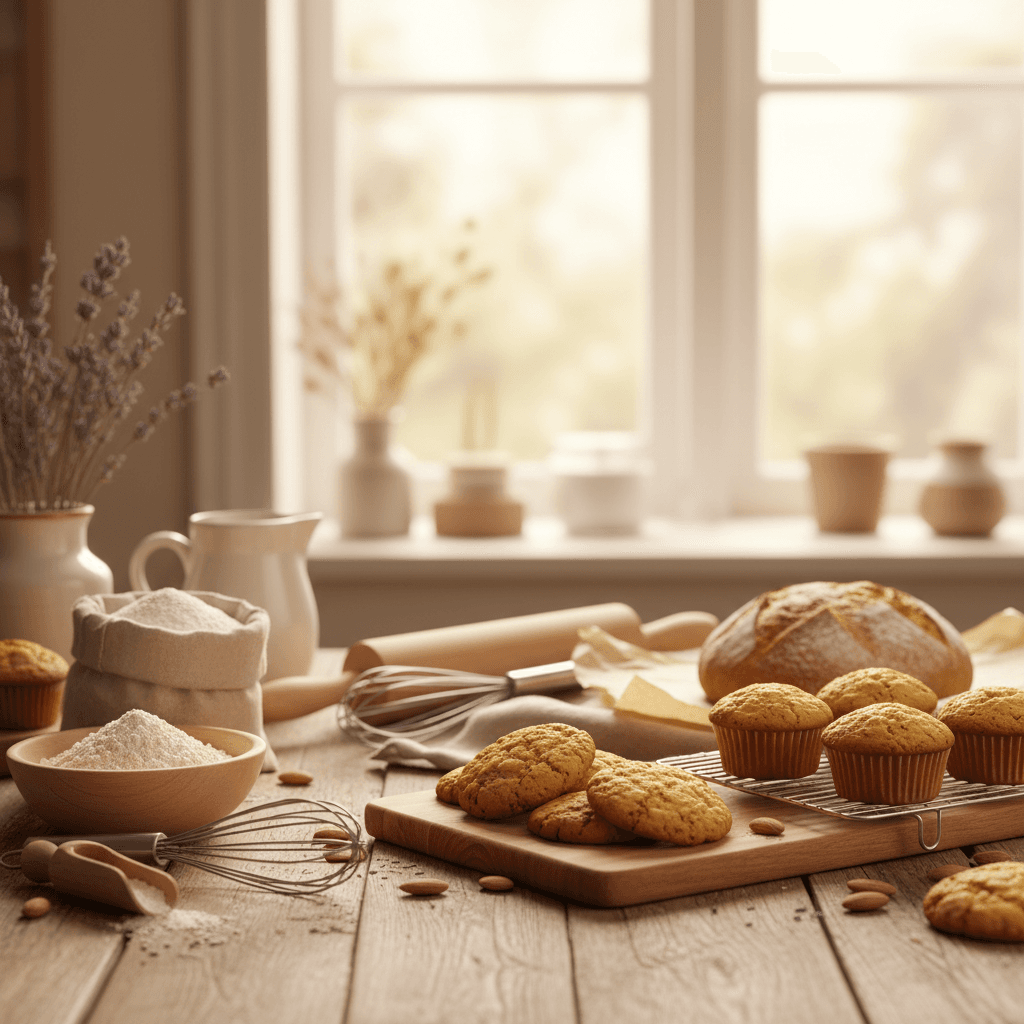
Cottage food laws are the regulations that let you sell homemade baked goods directly to consumers without a commercial kitchen — and they vary wildly from state to state. This guide breaks down exactly how these laws work, what you can and can't sell, and the specific steps to start selling legally from your home kitchen.
Key takeaways
- All 50 US states have some form of cottage food law, but annual revenue caps range from $25,000 to unlimited depending on your state.
- Most cottage food laws restrict you to non-potentially-hazardous foods — items that don't require refrigeration, like cookies, breads, cakes, and dry mixes.
- Labeling requirements are nearly universal and typically include your name, address, ingredients list, allergen warnings, and a "made in a home kitchen" disclaimer.
- Some states require a food handler's permit or basic food safety course, which usually costs $10–$30 and takes a few hours online.
- You generally cannot sell cottage food products online for shipping, at wholesale to stores, or across state lines — sales must be direct to the end consumer within your state.
- Startup costs for a legal cottage food operation typically run $50–$500, depending on your state's permit fees and whether you need additional insurance.
What are cottage food laws and why do they matter?
Cottage food laws are state-level regulations that allow individuals to prepare and sell certain food products from their home kitchens without needing a licensed commercial kitchen. Every US state has some version of these laws, though the specifics differ dramatically.
These laws exist because commercial kitchen requirements — which can cost $10,000–$50,000+ to set up — were keeping small-scale bakers from legally selling their goods. Cottage food legislation created a legal path for home bakers to earn income without that massive overhead.
The catch is that these laws come with restrictions. Revenue caps, allowed product lists, labeling rules, and sales channel limitations all vary by state. Understanding your state's specific rules before you start selling isn't optional — it's what keeps you legal and protects your business.
If you're thinking about turning your baking into income, this is the foundational knowledge you need. And if you're a gluten-free baker, you've already got a built-in advantage: the demand for quality gluten-free baked goods far outpaces the supply in most markets. Our gluten-free baking guide covers the techniques that help you stand out on quality, which matters just as much as the legal side.
How cottage food revenue limits work by state
Most states cap how much you can earn annually under cottage food laws, and these caps range from as low as $25,000 to completely unlimited.
| Revenue cap tier | Annual limit | Example states |
|---|---|---|
| Low | $25,000 or less | Illinois, Virginia, Iowa |
| Moderate | $25,001–$50,000 | California, Texas, Oregon |
| High | $50,001–$75,000 | Colorado, Michigan, Florida |
| Very high or unlimited | $75,000+ | Utah, Wyoming, North Dakota |
These numbers change as states update their laws — several states have raised their caps in recent years. Always verify your state's current limit through your state's Department of Agriculture or Health Department website.
A few important notes about revenue caps:
- Gross revenue, not profit. Most states count your total sales, not what you take home after expenses. If your cap is $50,000 and your ingredient costs are $20,000, you've still used $50,000 of your cap.
- Calendar year resets. Caps typically reset on January 1, so plan your busiest selling seasons accordingly.
- Exceeding the cap. If you go over, most states require you to either stop selling or upgrade to a commercial kitchen license. Some states have tiered systems where a higher revenue level requires a permit upgrade but not a full commercial kitchen.
What you can and can't sell under cottage food laws
The golden rule across almost every state is that cottage food products must be non-potentially-hazardous — meaning they don't require refrigeration to stay safe. This is based on water activity and pH levels, not just common sense.
Products almost always allowed
- Cookies, brownies, and bars
- Quick breads, muffins, and scones
- Cakes and cupcakes (without cream cheese or custard fillings)
- Yeast breads and rolls
- Dry baking mixes
- Granola and trail mixes
- Candy, fudge, and brittles
- Fruit pies (most states)
- Jams and jellies (many states, with specific acidity requirements)
Products usually restricted or prohibited
- Anything requiring refrigeration (cheesecake, cream pies, custards)
- Canned low-acid foods (most vegetables, meats)
- Products containing meat, poultry, or fish
- Raw milk products
- Alcoholic baked goods (varies by state)
If you're a gluten-free baker, the good news is that most gluten-free baked goods fall squarely in the allowed category. Cookies, breads, cakes, and muffins are all fair game. Just be aware that some states have specific rules about allergen claims — more on that below.
Labeling requirements you need to get right
Nearly every state requires cottage food products to carry specific labels, and getting this wrong is one of the fastest ways to get shut down. Here's what most states require:
- Producer name and home address — yes, your actual home address in most states
- Product name
- Complete ingredients list in descending order by weight
- Allergen declaration for the top 9 allergens (wheat, milk, eggs, soy, peanuts, tree nuts, fish, shellfish, sesame)
- Net weight or volume
- Date of production or a "best by" date
- Home kitchen disclaimer — typically something like: "Made in a home kitchen that is not inspected by the [state] Department of Health"
The allergen labeling is especially important if you're selling gluten-free products. In most states, you can label items as gluten-free, but you need to meet the FDA's standard of less than 20 parts per million of gluten. If you're baking in a shared kitchen where wheat flour is also used, you need to be extremely careful about cross-contamination and honest about your labeling.
Pro tip: Create a label template once and reuse it for every product. You can print professional-looking labels on a standard inkjet printer with adhesive label sheets for about $0.05–$0.10 per label.
Where you can sell cottage food products
Cottage food laws don't just regulate what you can make — they also restrict where and how you can sell. Most states limit you to direct-to-consumer sales, which means:
Usually allowed
- Farmers markets (often the most popular venue)
- Craft fairs and community events
- From your home (in-person pickup)
- Roadside stands
- Online ordering with local pickup or delivery (in many states)
Usually not allowed
- Wholesale to grocery stores, restaurants, or cafes
- Shipping across state lines
- Selling through third-party delivery apps
- Interstate online sales
Some states are more permissive than others. California, for example, allows online sales with delivery within the state. Utah has some of the most relaxed cottage food laws in the country. Check your state's specific rules — the difference between states can be dramatic.
Permits, licenses, and fees: what you actually need to start
The paperwork and cost to get started varies, but here's a realistic breakdown of what most home bakers need:
| Requirement | Typical cost | Notes |
|---|---|---|
| Food handler's permit/course | $10–$30 | Required in about half of states; usually an online course |
| Cottage food permit or registration | $0–$75 | Some states require registration, others don't |
| Business license | $25–$100 | Required in most cities/counties regardless of cottage food status |
| Sales tax permit | $0 | Free in most states; some exempt cottage food from sales tax |
| Liability insurance (optional but recommended) | $200–$500/year | Not legally required in most states but protects you |
Total realistic startup cost: $50–$500, depending on your state and whether you opt for insurance. Compare that to the $10,000+ it costs to rent or build a commercial kitchen, and you can see why cottage food laws are such a game-changer for home bakers.
You likely already own the basic baking equipment you need. The legal side is genuinely the cheapest part of getting started.
NEXT Insurance
Product liability for a home food business, quoted online in about 15 minutes with monthly billing. The certificate it generates is what a farmers market asks to see.
Get a quote →Affiliate link. We may earn a commission at no cost to you.Step-by-step process to start selling under cottage food laws
Here's the exact process to go from "I want to sell my baked goods" to legally taking orders:
- Look up your state's cottage food law. Search "[your state] cottage food law" and find the official government page — usually through the Department of Agriculture or Department of Health. Read the actual law, not just a blog summary.
- Identify your allowed products. Make a list of everything you want to sell and verify each item is permitted under your state's rules.
- Complete any required training. If your state requires a food handler's course, do it first. Most are available online and take 2–4 hours.
- Register or apply for permits. Submit any required cottage food registration, business license applications, and sales tax permits.
- Set up your labeling system. Create compliant labels for every product you plan to sell. Double-check allergen declarations.
- Get your pricing right. Factor in ingredients, packaging, labels, your time, and any market fees. Most successful cottage food bakers price at 3–4x their ingredient cost as a starting point.
- Choose your sales channels. Decide where you'll sell — farmers markets, social media with local pickup, word of mouth, or a combination.
- Start small and document everything. Keep records of all sales, expenses, and recipes from day one. You'll need these for taxes and for tracking your revenue cap.
If you're building a gluten-free cottage food business specifically, having a solid foundation in stocking your baking pantry will help you manage ingredient costs — which is critical when you're working within a revenue cap.
Common mistakes that get cottage food bakers in trouble
We've seen home bakers make these mistakes repeatedly, and they're all avoidable:
- Selling prohibited items. "But my cheesecake is really popular" doesn't matter if your state doesn't allow refrigerated products. Stick to the approved list.
- Skipping the label requirements. Health inspectors at farmers markets check labels. Missing information can get you removed from a market and reported.
- Not tracking revenue. If you exceed your state's cap without realizing it, you're operating illegally. Use a simple spreadsheet or accounting app from day one.
- Making health claims. Saying your cookies "cure inflammation" or are "healthy" can get you into FDA trouble that goes beyond cottage food regulations.
- Shipping products. Even if someone in the next state over wants to buy your bread, most cottage food laws prohibit shipping and interstate sales.
- Ignoring local zoning. Some HOAs and local zoning ordinances restrict home-based businesses. Check before you start advertising.
Special considerations for gluten-free cottage food bakers
If you're selling gluten-free baked goods under cottage food laws, you have a few extra things to think about — but also a significant market advantage.
Cross-contamination is your biggest liability. If you label something gluten-free, it needs to actually be gluten-free. The FDA standard is less than 20 ppm, and if someone with celiac disease has a reaction to your product, you could face legal consequences. If you also bake with wheat flour in the same kitchen, you need rigorous cleaning protocols between batches — or better yet, dedicate your kitchen entirely to gluten-free baking. Our guide on troubleshooting gluten-free baking issues covers some of the quality challenges you'll want to solve before selling.
Your market advantage is real. Most cottage food bakers are selling standard wheat-based products. By specializing in gluten-free, you're serving a community that's actively searching for safe, delicious options and willing to pay a premium. Gluten-free cottage food bakers typically charge 20–40% more than their conventional counterparts, and customers are happy to pay it for products they can trust.
Ingredient costs are higher, so price accordingly. Gluten-free flours like almond flour, brown rice flour, and specialty starches cost more than all-purpose wheat flour. Make sure your pricing reflects this reality. A good rule of thumb: calculate your actual ingredient cost per item and multiply by 3.5–4x for your retail price.
Taxes and record-keeping for cottage food businesses
Yes, cottage food income is taxable. The IRS considers it self-employment income, which means:
- You'll report it on Schedule C of your tax return
- You'll owe self-employment tax (15.3%) on top of your regular income tax rate
- You can deduct business expenses — ingredients, packaging, market fees, mileage, and a portion of home utilities
Keep every receipt. Use a dedicated bank account or credit card for business purchases so your records are clean. Apps like Wave (free) or QuickBooks Self-Employed ($15/month) make tracking painless.
Some states exempt cottage food sales from state sales tax, while others require you to collect and remit it. Check your state's rules — this is one of the most commonly overlooked requirements.
When to move beyond cottage food laws
Cottage food laws are a fantastic starting point, but they have limits. Here are signs it might be time to upgrade:
- You're consistently hitting your state's revenue cap
- You want to sell wholesale to local stores or cafes
- You need to ship products to customers
- You want to sell products that require refrigeration
- Your volume has outgrown your home kitchen's capacity
The next step is usually a shared commercial kitchen, which typically costs $15–$25 per hour to rent. This gives you a licensed facility, removes most cottage food restrictions, and opens up wholesale and online shipping as sales channels. Many successful home bakers start under cottage food laws, build a customer base, and then graduate to a commercial kitchen once the revenue justifies it.
Frequently asked questions
Do I need a license to sell baked goods from home?
In most states, you don't need a traditional food business license — cottage food laws specifically create an exemption for home bakers. However, many states require a cottage food registration or permit, a food handler's certificate, and a general business license from your city or county. The total cost for these is typically $50–$150. Check your state's Department of Agriculture website for the exact requirements.
What baked goods can I sell under cottage food laws?
You can sell non-potentially-hazardous baked goods — items that don't require refrigeration. This includes cookies, breads, cakes (without custard or cream fillings), muffins, brownies, granola, dry mixes, and most fruit pies. Products that need refrigeration like cheesecakes, cream pies, and anything with dairy-based fillings are typically prohibited. Each state maintains its own specific list of allowed products.
Can I sell gluten-free baked goods under cottage food laws?
Yes, gluten-free baked goods are allowed under cottage food laws in every state, since they fall into the same non-hazardous food categories as conventional baked goods. However, if you label products as gluten-free, you must meet the FDA's standard of less than 20 parts per million of gluten. This means managing cross-contamination carefully, especially if you also bake with wheat flour in your home kitchen.
How much money can I make selling baked goods from home?
Your state's cottage food revenue cap sets the legal maximum, which ranges from $25,000 to unlimited depending on where you live. In practice, most cottage food bakers earn between $5,000 and $30,000 per year, with the most successful operators hitting their state's cap within the first two years. Gluten-free and specialty bakers often earn more per item due to premium pricing, which helps maximize revenue within the cap.
Do I have to pay taxes on cottage food sales?
Yes, all cottage food income is taxable as self-employment income at the federal level. You'll report it on Schedule C and pay both income tax and self-employment tax (15.3%). The good news is that you can deduct business expenses including ingredients, packaging, market booth fees, and mileage. Some states also exempt cottage food sales from state sales tax, but this varies — check your state's rules.
Ready to turn your baking into a real business?
Understanding cottage food laws is the first step — but knowing the legal rules and actually building a profitable home bakery are two very different things. The bakers who succeed long-term aren't just legal; they have a system for getting consistent orders and repeat customers.
Watch the free Home Bakery Pro masterclass — it covers the 3 biggest mistakes new home bakers make and how to actually get repeat customers without relying on social media. If you're serious about making cottage food work for you, this is the natural next step.

Written by
Co-founder, BakingSubs
Co-founder of BakingSubs, where he turns the science of ingredient substitutions into tested, reliable guidance for home bakers.
Related Posts
Gluten-Free Flour Weight Chart: Grams per Cup for 9 Major Brands (and Why the Spread Is Over 20%)
Best Low Carb Tortillas (2026): 6 Brands Compared by Net Carbs
Best Sugar-Free Cake Mix and Brownie Mix (2026): 14 Options Ranked by Net Carbs, Sweetener, and Price
Bake with Confidence
See all
Confident Gluten-Free Baker Toolkit
The science-based system that replaces gluten's seven invisible jobs so your baking turns out soft, fluffy, and foolproof — every time.

Gluten-Free Recipe Vault
Instant access to our complete library of proven gluten-free recipes — no waiting, no guesswork, just results that work tonight.

Fix Your Gluten-Free Bread
Learn the 3-step formula to make bread rise and stay soft, discover why your loaves collapse, and get a tested sandwich bread recipe that actually works.