

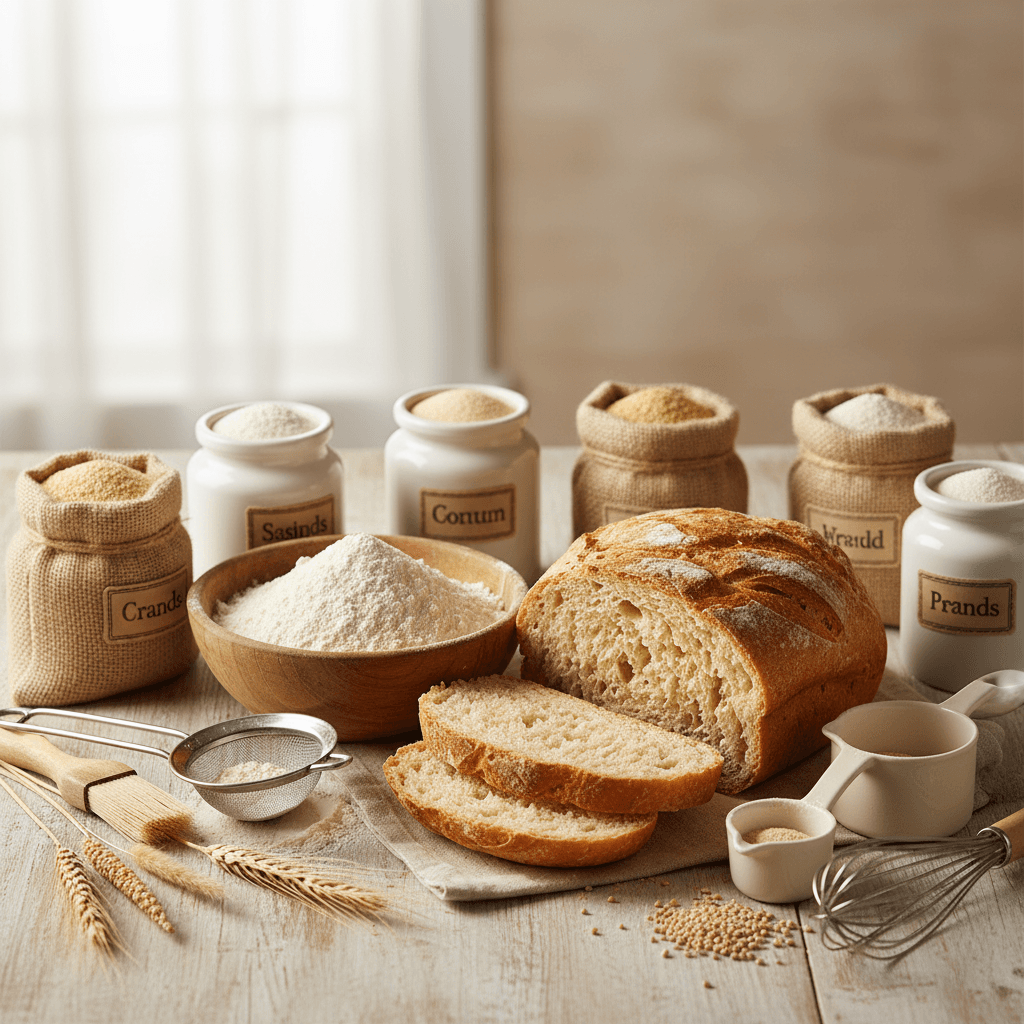
Sorghum flour is one of the most versatile whole-grain flours in gluten-free baking, but the brand you choose makes a real difference in your results. We've compared seven popular sorghum flour brands so you can pick the one that works best for your recipes and budget.
Key takeaways
- Sorghum flour adds mild, slightly sweet flavor and good structure to gluten-free baked goods — it's one of the closest whole-grain substitutes for all-purpose flour in terms of taste and texture.
- Protein content varies from about 3g to 5g per quarter cup depending on the brand, which affects structure in breads and cakes.
- Grind fineness matters more than most people realize — a coarse grind can leave baked goods gritty, while a fine grind blends seamlessly into flour blends.
- Most sorghum flours cost between $0.20 and $0.40 per ounce, making it one of the more affordable specialty gluten-free flours.
- Sorghum flour works best when combined with starches and other flours — it's rarely used as a solo flour in recipes.
- Not all brands are certified gluten-free, which matters if you're baking for someone with celiac disease.
Why sorghum flour is a staple in gluten-free baking
Sorghum flour brings a mild, slightly sweet flavor that doesn't overpower baked goods the way some gluten-free flours can. It's a whole-grain flour with a decent protein content (typically 8-11% by weight), which helps provide structure in everything from muffins to sandwich bread.
What makes sorghum especially useful is its neutral taste profile. Unlike buckwheat flour or amaranth flour, sorghum doesn't bring a strong, earthy flavor that limits where you can use it. It blends well with rice flours, starches like arrowroot and tapioca, and nut flours. If you're building your own homemade gluten-free flour blend, sorghum is one of the best base flours to start with.
Sorghum is also naturally gluten-free (it's a grass, not a wheat relative), high in fiber, and rich in antioxidants. It's a nutritional upgrade over white rice flour in most applications.
If you're still getting comfortable with gluten-free flour blending and want a structured approach, the Confident Gluten-Free Baker Toolkit walks you through exactly how to combine flours like sorghum for consistent results every time.
What to look for in a sorghum flour brand
Not all sorghum flour is created equal. Here are the factors that actually matter when you're comparing brands:
Grind fineness
This is the single biggest differentiator between brands. A fine, powdery grind integrates smoothly into batters and doughs, while a coarser grind can leave your baked goods with a gritty texture. If you've ever bitten into a gluten-free muffin and felt a sandy, grainy mouthfeel, a coarse flour was likely the culprit.
Certified gluten-free status
Sorghum itself is gluten-free, but cross-contamination during growing, harvesting, and milling is a real concern. If you're baking for someone with celiac disease, look for a brand that's certified gluten-free (typically under 10 ppm) rather than just labeled gluten-free.
Protein content
Higher protein sorghum flour provides more structure, which matters in breads and cakes. Lower protein versions work fine in cookies and quick breads where tenderness is the goal.
Flavor and freshness
Whole-grain flours can go rancid faster than refined flours. Fresh sorghum flour should smell mildly sweet and grain-like — never musty or bitter. Brands that mill in smaller batches tend to deliver fresher product.
7 best sorghum flour brands compared
We've organized these brands by what they do best, with detailed notes on grind, protein, taste, and ideal use cases.
| Brand | Protein (per 1/4 cup) | Grind | Certified GF | Price range (per oz) | Best for |
|---|---|---|---|---|---|
| Bob's Red Mill | 4g | Medium | Yes | $0.18-$0.22 | All-purpose baking, flour blends |
| Anthony's | 4g | Fine | Yes (batch tested) | $0.15-$0.20 | Budget baking, large batches |
| Authentic Foods | 5g | Very fine | Yes | $0.30-$0.38 | Cakes, delicate pastries |
| Arrowhead Mills | 4g | Medium-fine | No (labeled GF) | $0.22-$0.28 | Everyday baking, pancakes |
| To Your Health Sprouted | 3g | Fine | No (labeled GF) | $0.30-$0.35 | Nutritional boost, digestibility |
| Nuts.com | 4g | Fine | Yes | $0.20-$0.25 | Bulk buying, flour blends |
| Great River Organic | 4g | Medium | No (labeled GF) | $0.25-$0.30 | Organic baking, whole-grain breads |
Bob's Red Mill sorghum flour
Bob's Red Mill Sorghum Flour is the most widely available option and a solid all-around choice. It's certified gluten-free, milled to a medium grind, and priced affordably enough for everyday use.

Bob's Red Mill Sorghum Flour, 22oz (Pack of 4) - Whole Grain, Vegan, Kosher
Check price on Amazon →The grind isn't the finest on this list — you may notice a slightly grainier texture in very delicate cakes compared to Authentic Foods. But for muffins, quick breads, pancakes, and homemade flour blends, it performs reliably. It's a practical pick for making large batches of flour blend.
Best for: Everyday baking, flour blends, budget-conscious bakers who want certified GF.
Anthony's sorghum flour
Anthony's Sorghum Flour is the value pick. It comes in larger bags (typically 5 lbs), which brings the per-ounce cost down significantly. The grind is finer than Bob's Red Mill, a nice bonus at this price point.
Anthony's does batch testing for gluten, though they don't carry a third-party certification seal. For most home bakers, this is perfectly fine. If you have celiac disease and need strict certification, it's worth noting the distinction.
Best for: Bakers who go through a lot of sorghum flour and want the best price-to-quality ratio.
Authentic Foods sorghum flour
Authentic Foods Sorghum Flour is the premium option, and it earns that label. The grind is very fine, which makes a real difference in cakes, pastries, and any recipe where a smooth crumb matters. It also has the highest protein content on this list at 5g per quarter cup.
If you're working on converting traditional recipes to gluten-free and want results that are as close to the original as possible, this is the brand to reach for. It's pricier, but the finer grind is worth it for these recipes.
Best for: Delicate cakes, pastries, and any recipe where texture is paramount.
Arrowhead Mills sorghum flour
Arrowhead Mills Sorghum Flour is organic and has a pleasant, slightly sweet flavor that works especially well in pancakes and waffles. The grind is medium-fine — better than Bob's Red Mill but not quite as refined as Authentic Foods.
One caveat: Arrowhead Mills labels their sorghum flour as gluten-free but doesn't carry third-party certification. They do test for gluten, but if you need that extra assurance, keep it in mind.
Best for: Organic bakers, pancakes, waffles (pair it with a great waffle maker for crispy results).
To Your Health sprouted sorghum flour
To Your Health Sprouted Sorghum Flour is a unique option. Sprouting the sorghum before milling breaks down some of the phytic acid, which can improve mineral absorption and make the flour easier to digest. The flavor is slightly maltier than regular sorghum flour, with a subtle sweetness.
The protein content is a bit lower (3g per quarter cup) because sprouting changes the grain's composition. The grind is fine and smooth. This is a niche pick — great if digestibility is a priority, but not necessarily better for general baking performance.
Best for: Bakers focused on nutrition and digestibility, or anyone who enjoys the maltier flavor profile.
Nuts.com sorghum flour
Nuts.com Sorghum Flour is a strong bulk-buying option with certified gluten-free status. The grind is fine and consistent, and the pricing is competitive when you buy in larger quantities. Their packaging is also vacuum-sealed, which helps with freshness.
If you're making your own flour blends regularly, this is a great source.
Best for: Bulk buyers, flour blend prep, bakers who want certified GF at a reasonable price.
Great River Organic sorghum flour
Great River Organic Sorghum Flour is stone-ground and organic, which gives it a slightly heartier character than roller-milled options. The grind is medium — not the finest, but it works well in rustic breads, pizza dough, and recipes where a bit of texture is actually welcome.
This flour is labeled gluten-free but not certified. The stone-ground process preserves more of the bran and germ, which means it's more nutritious but also more prone to going rancid. Store it in the freezer if you won't use it within a month or two.
Best for: Whole-grain breads, gluten-free pizza, rustic baking where hearty flavor is a plus.
How to use sorghum flour in your baking
Sorghum flour works best as part of a blend rather than a solo flour. On its own, it can produce baked goods that are too dense and crumbly. Here's how to use it:
- In flour blends: Sorghum typically makes up 30-40% of a base flour blend, combined with a lighter flour like white rice flour or brown rice flour and a starch like tapioca or potato starch.
- In bread: Sorghum's protein content helps provide structure. Pair it with a good binder like xanthan gum or psyllium husk for the best crumb.
- In cakes and muffins: Use a finely ground brand (like Authentic Foods) and combine with a starch to keep things light.
- In cookies: Sorghum adds a pleasant chewiness. It works especially well in drop cookies and snickerdoodles.
A common starting ratio is 40% sorghum flour, 30% starch (tapioca or potato), and 30% secondary flour (rice, oat, or almond flour). From there, you adjust based on what you're baking. Understanding what gluten does in baking helps you know which supporting ingredients to add.
How to store sorghum flour for maximum freshness
Sorghum is a whole-grain flour, which means it contains oils from the bran and germ that can go rancid over time. Store it in an airtight container in a cool, dark place and it will last about 3 months at room temperature. For longer storage (up to 6 months), keep it in the freezer. Let it come to room temperature before using it in recipes, since cold flour can affect hydration and rise.
Frequently asked questions
Is sorghum flour good for gluten-free baking?
Yes, sorghum flour is one of the best whole-grain options for gluten-free baking. It has a mild, slightly sweet flavor that works in nearly any recipe, and its protein content provides more structure than rice flour alone. It works best when combined with starches and other flours in a blend rather than used on its own.
What is the best sorghum flour brand for celiac disease?
Bob's Red Mill, Authentic Foods, and Nuts.com all offer certified gluten-free sorghum flour, meaning they're tested to contain less than 10-20 ppm of gluten. If you're baking for someone with celiac disease, choosing a certified brand is the safest option. Our beginner's guide to gluten-free baking covers more on safe ingredient sourcing.
Can you use sorghum flour by itself in baking?
We don't recommend it. Sorghum flour used alone tends to produce baked goods that are dense, dry, and crumbly. It performs much better as part of a flour blend — typically making up 30-40% of the total flour weight, with starches and lighter flours making up the rest.
Does sorghum flour taste like wheat flour?
Sorghum has a milder, slightly sweeter flavor than wheat flour, but it's one of the closest matches among gluten-free whole-grain flours. Most people can't distinguish it in a well-made flour blend, especially in recipes with other strong flavors like chocolate, cinnamon, or fruit.
How much does sorghum flour cost compared to other gluten-free flours?
Sorghum flour typically costs between $0.15 and $0.38 per ounce depending on the brand, which puts it in the mid-range for gluten-free flours. It's more expensive than white rice flour but significantly cheaper than almond flour or coconut flour. Buying in bulk from brands like Anthony's or Nuts.com brings the cost down considerably.

Written by
Co-founder, BakingSubs
Co-founder of BakingSubs, where he turns the science of ingredient substitutions into tested, reliable guidance for home bakers.
Related Posts
Bake with Confidence
See all
Confident Gluten-Free Baker Toolkit
The science-based system that replaces gluten's seven invisible jobs so your baking turns out soft, fluffy, and foolproof — every time.

Gluten-Free Recipe Vault
Instant access to our complete library of proven gluten-free recipes — no waiting, no guesswork, just results that work tonight.

Fix Your Gluten-Free Bread
Learn the 3-step formula to make bread rise and stay soft, discover why your loaves collapse, and get a tested sandwich bread recipe that actually works.