

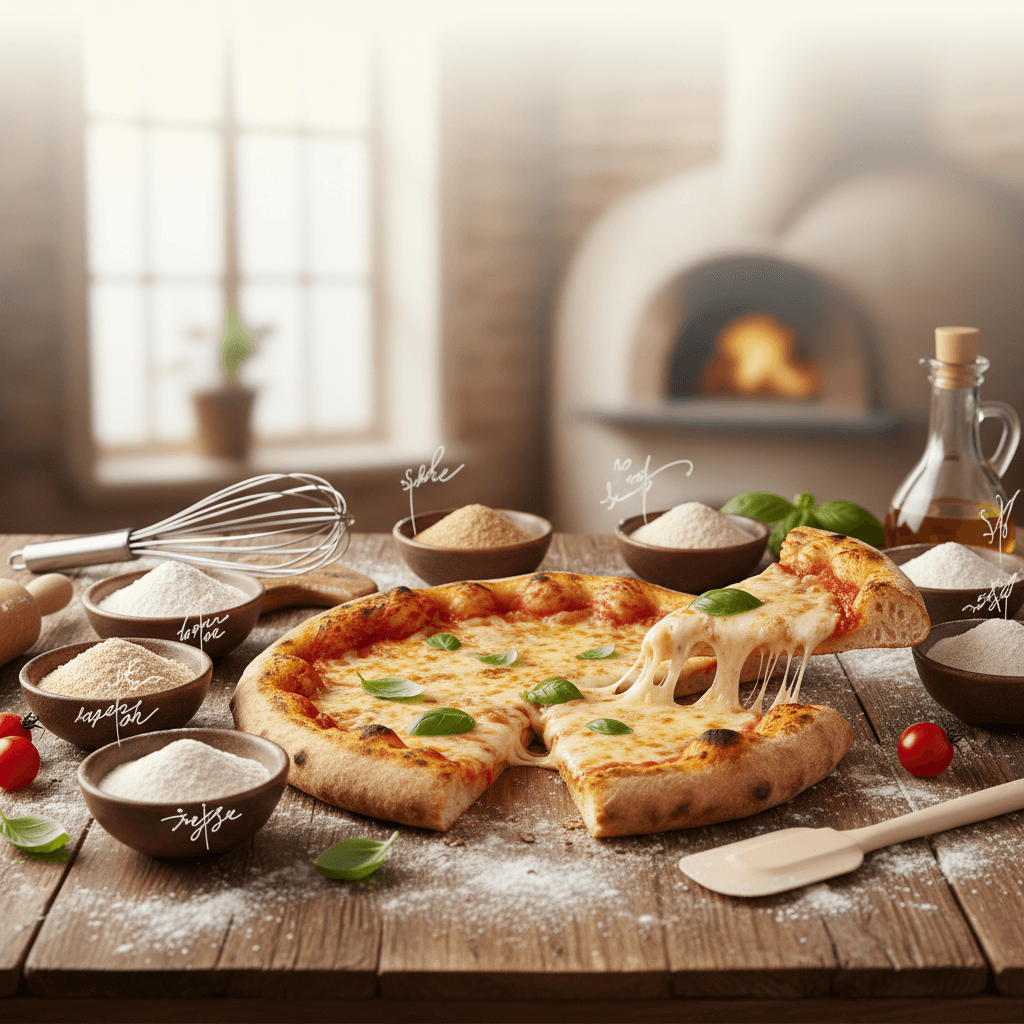
Finding a gluten-free pizza crust mix that actually tastes like pizza — not cardboard — can feel impossible when you're staring at a wall of options. We've compared seven of the most popular mixes on ingredients, certification, and crust style so you don't have to guess. Here's exactly what works, what doesn't, and which mix is right for your pizza night.
Key takeaways
- The best gluten-free pizza crust mixes use a combination of starches and whole grain flours to replicate the chew and crunch of wheat-based dough.
- Mixes that include brown rice flour and tapioca starch tend to produce the most pizza-like texture.
- Some mixes require yeast and rise time while others are quick-mix — both approaches can produce great results depending on what you're after.
- Certified gluten-free labeling matters: it means the product is tested to below 20 ppm, which is critical if you have celiac disease.
- Pre-made mixes are a great starting point, but once you're comfortable, making dough from scratch gives you even more control over texture and flavor.
Quick-pick summary: best gluten-free pizza crust mixes at a glance
| Mix | Best for | Texture | Ease of use |
|---|---|---|---|
| Bob's Red Mill GF Pizza Crust Mix | Best overall | Crispy outside, chewy inside | Easy (yeast included) |
| King Arthur Gluten Free Pizza Crust Mix | Best thin crust | Thin and crispy | Very easy |
| Simple Mills Almond Flour Pizza Dough Mix | Best grain-free option | Tender, slightly crumbly | Very easy |
| Caputo Fioreglut Pizza Flour | Best Neapolitan-style | Puffy, airy, authentic | Moderate (needs proofing) |
| Cup4Cup Pizza Crust Mix | Best for picky eaters | Closest to wheat pizza | Easy |
| Namaste Foods Pizza Crust Mix | Best allergen-friendly | Soft and pillowy | Easy |
| Pamela's Pizza Crust Mix | Best deep dish style | Thick and bready | Easy |
What to look for when buying a gluten-free pizza crust mix
Before we get into specific products, here's what actually matters when you're choosing a mix. These are the things that separate a great gluten-free pizza crust from one that ends up in the trash.
Starch and flour blend
The best mixes use a combination of flours and starches — not just one ingredient. Look for blends that include rice flour, arrowroot or tapioca starch for chew, and sometimes potato starch for moisture. A single-flour mix almost never produces good pizza crust texture. If you want to understand how different flours affect pizza dough, our guide to the best gluten-free flour for pizza dough breaks it all down.
Binder type
Most gluten-free pizza crust mixes include xanthan gum or guar gum to replace the structural role gluten normally plays. Without a binder, your dough will crack and crumble instead of stretching. If a mix doesn't include one, you'll need to add it yourself.
Leavening method
Some mixes include yeast for a traditional risen crust, while others rely on baking powder for a quicker process. Yeast-based mixes generally produce better flavor and a more authentic chew, but they take longer. Quick-mix options are great for weeknight dinners when you don't have 30-60 minutes for proofing.
Certification and cross-contamination
If you have celiac disease, always look for a certified gluten-free label — not just "made without gluten ingredients." Certification means the product has been independently tested to contain less than 20 ppm of gluten. This is especially important with grain-based products that may be processed in shared facilities.
Allergen considerations
Many gluten-free mixes contain dairy, eggs, soy, or tree nuts. If you're managing multiple food sensitivities, check the ingredient list and allergen statements carefully. We'll flag any major allergens for each product below.
If you're just getting started with gluten-free baking and want a solid foundation beyond pizza, our Confident Gluten-Free Baker Toolkit walks you through everything from pantry setup to troubleshooting common texture problems. It's a great companion for anyone who wants to move beyond mixes eventually.
1. Bob's Red Mill Gluten Free Pizza Crust Mix — best overall
Bob's Red Mill Gluten Free Pizza Crust Mix is our top pick for most home bakers. It produces a crust that's crispy on the outside and genuinely chewy on the inside — the combination most people are looking for in pizza.

The blend uses whole grain sorghum flour, potato starch, tapioca flour, and corn starch, with xanthan gum as the binder. Yeast is included in the packet, so you just add water, oil, and egg. The dough needs about 20 minutes of rise time, which is minimal for a yeast-based crust, and the flavor has a pleasant, slightly nutty quality from the sorghum.
Pros:
- Excellent crispy-chewy texture that holds up under toppings
- Yeast included — no need to buy separately
- Certified gluten-free and widely available
- Good value for two crusts per box
Cons:
- Contains eggs (not suitable for vegan baking without modification)
- Dough is sticky and requires wet hands or parchment to shape
- Not grain-free
We recommend using Bob's Red Mill GF Pizza Crust Mix as your go-to if you want reliable results without a lot of fuss.
2. King Arthur Gluten Free Pizza Crust Mix — best thin crust
King Arthur's mix is specifically designed for thin, crispy pizza crust — and it delivers. If you prefer a cracker-like base that gets genuinely crunchy in the oven, this is the one to try.
The blend is built around rice flour and tapioca starch, and it includes its own yeast packet. The dough comes together quickly and presses out thin without tearing, which is a real achievement for gluten-free dough. King Arthur is known for their rigorous testing, and this mix reflects that attention to detail.
Pros:
- Produces a legitimately thin, crispy crust
- Dough is easier to handle than most GF pizza doughs
- Certified gluten-free with strong brand reputation
- Great flavor — not gritty or bland
Cons:
- Not ideal if you want a thick, bready crust
- Can dry out if overbaked — watch timing closely
- Contains milk ingredients
Pick up King Arthur Gluten Free Pizza Crust Mix if thin and crispy is your style. It pairs especially well with lighter toppings that won't weigh down the crust.
3. Simple Mills Almond Flour Pizza Dough Mix — best grain-free option
Simple Mills takes a completely different approach by using almond flour as the base instead of rice or tapioca. The result is a grain-free, paleo-friendly crust that's surprisingly good — though the texture is noticeably different from traditional pizza.
This mix is leavened with baking powder rather than yeast, so there's no rise time. You mix, press, par-bake, top, and finish. The crust has a tender, slightly nutty quality with a gentle crispness on the bottom. It won't give you the stretchy chew of a wheat-based dough, but for grain-free eaters, it's one of the best options out there.
Pros:
- Grain-free and paleo-friendly
- No rise time — ready in minutes
- Clean ingredient list with no gums or fillers
- Tastes great with robust, flavorful toppings
Cons:
- Texture is more crumbly than chewy — not a traditional pizza feel
- Contains tree nuts (almond) — not safe for nut allergies
- More expensive per serving than grain-based mixes
Try Simple Mills Almond Flour Pizza Dough Mix if you're avoiding grains entirely or following a paleo approach. If you're curious about how almond flour compares to other GF options, our almond flour vs coconut flour comparison is worth a read.
4. Caputo Fioreglut Pizza Flour — best for Neapolitan-style
Caputo Fioreglut is technically a flour rather than a complete mix, but we're including it because it's built for the most authentic Neapolitan-style gluten-free pizza crust of any option here. This is what many gluten-free pizzerias in Italy actually use.
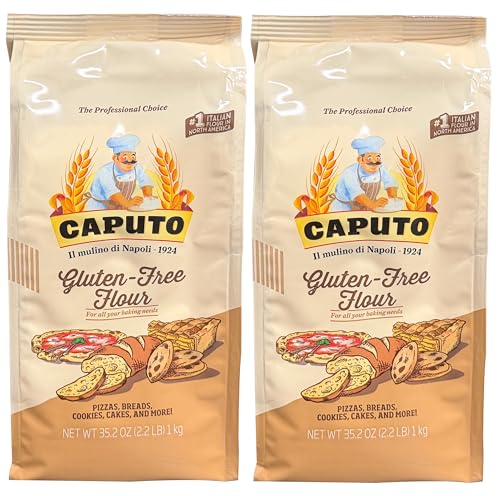
Antico Molino Napoli Antimo Caputo Pizza Flour, Gluten Free, 2 Pound (Pack of 2)
Check price on Amazon →The flour is designed to be worked like traditional pizza dough — you add yeast, water, salt, and olive oil, then let it proof. The result is a puffy, airy crust with charred spots and genuine chew. It behaves more like real pizza dough than any mix on this list, which is both its biggest strength and its biggest learning curve.
Pros:
- Most authentic Neapolitan-style texture and flavor
- Dough can actually be stretched (not just pressed)
- Beautiful oven spring and charring
- Certified gluten-free
Cons:
- Requires more skill — you need to make the dough from scratch
- Needs proper proofing time (1-2 hours minimum)
- More expensive and harder to find than domestic brands
- Best results require a very hot oven or pizza stone
If you're willing to put in a bit more effort, Caputo Fioreglut is worth every penny. We recommend using a pizza stone preheated to your oven's maximum temperature for the best results.
5. Cup4Cup Pizza Crust Mix — best for picky eaters
Cup4Cup was developed by a former Thomas Keller chef, and the pizza crust mix reflects that fine-dining attention to detail. This mix produces the crust that tastes most like conventional wheat pizza — making it ideal for households where not everyone is gluten-free.
The blend uses a proprietary combination of rice flour, tapioca starch, potato starch, and milk powder. The dough handles well and produces a medium-thickness crust with a satisfying chew and mild flavor that lets toppings shine. If your goal is to make pizza that nobody realizes is gluten-free, this is your best bet.
Pros:
- Closest taste and texture to wheat-based pizza crust
- Handles well — easy to shape and press
- Great for mixed households where some people eat gluten
- Consistent results batch to batch
Cons:
- Contains milk powder — not dairy-free
- Premium price point
- Can be hard to find in stores (easier online)
Grab Cup4Cup Pizza Crust Mix when you need to impress skeptics. It's the mix we recommend when someone says "gluten-free pizza can't taste good."
6. Namaste Foods Pizza Crust Mix — best allergen-friendly
Namaste Foods is a standout for anyone managing multiple food allergies. Their pizza crust mix is free from gluten, dairy, eggs, soy, corn, potato, and tree nuts — which is almost unheard of in this category.
The mix uses a blend of brown rice flour, tapioca starch, and arrowroot. It produces a soft, pillowy crust that's more focaccia-like than crispy. The flavor is mild and pleasant, and the dough is forgiving to work with. It's not the crispiest option, but for anyone who has to avoid a long list of allergens, it's a genuine lifesaver.
Pros:
- Free from the top 8 allergens (except wheat, which is replaced)
- Soft, pillowy texture that kids tend to love
- Very easy to mix and shape
- Affordable and widely available
Cons:
- Doesn't get very crispy — more of a soft crust
- Flavor is mild, bordering on bland without good toppings
- Can be gummy if underbaked — watch your timing
Namaste Foods Pizza Crust Mix is the safest choice for multi-allergen households. If you find the texture too soft, try par-baking the crust for an extra 3-5 minutes before adding toppings. And if gummy textures are a recurring issue in your GF baking, our guide to fixing gummy centers has some helpful tips.
7. Pamela's Pizza Crust Mix — best for deep dish style
Pamela's mix produces a thick, bready crust that works beautifully for deep dish and pan-style pizza. If you want a substantial base that can handle heavy toppings and lots of cheese, this is the one.
The blend includes brown rice flour, tapioca starch, and sweet rice flour, which gives the crust a slightly sticky, chewy quality reminiscent of deep dish pizza from Chicago. The dough presses easily into a cast iron skillet or deep dish pan and puffs up nicely during baking.
Pros:
- Excellent for thick, pan-style pizza
- Handles heavy toppings without getting soggy
- Nice chewy texture from sweet rice flour
- Certified gluten-free
Cons:
- Not suitable for thin crust — it's thick by design
- Can taste doughy in the center if not baked long enough
- Contains egg
Try Pamela's Pizza Crust Mix in a well-oiled cast iron skillet for the best deep dish experience. Give it a full bake — don't rush it — and you'll be rewarded with a crust that's golden and crispy on the bottom with a soft, bready interior.
How to get the best results from any gluten-free pizza crust mix
No matter which mix you choose, these tips will help you get better pizza every time:
- Preheat your oven fully — and if you have a pizza stone or steel, preheat that too. Gluten-free crusts need high, direct heat to crisp up properly.
- Use parchment paper — GF dough sticks to everything. Parchment makes shaping and transferring so much easier. Check out our picks for the best parchment paper for gluten-free baking.
- Par-bake the crust — bake the crust alone for 5-8 minutes before adding sauce and toppings. This prevents a soggy middle, which is the most common complaint with GF pizza.
- Don't overload toppings — GF crusts can't support as much weight as wheat crusts. Go lighter than you think you need to.
- Let it cool slightly before cutting — GF pizza firms up as it cools. Give it 2-3 minutes and the slices will hold together much better.
When to skip the mix and make dough from scratch
Mixes are fantastic for convenience, but if you want to level up your gluten-free pizza game, making dough from scratch gives you complete control over flavor, texture, and ingredients. You can adjust the flour blend, experiment with fermentation times, and dial in exactly the crust you want.
Our guide to gluten-free pizza dough recipes that actually work covers five different approaches — from quick no-yeast crusts to long-fermented doughs. If you've been using mixes and want to take the next step, it's a great place to start.
Frequently asked questions
What is the best gluten-free pizza crust mix for celiac disease?
Bob's Red Mill Gluten Free Pizza Crust Mix is our top recommendation for people with celiac disease. It's certified gluten-free, meaning it's tested to below 20 ppm, and it's produced in a dedicated gluten-free facility. Caputo Fioreglut and King Arthur are also certified and safe choices.
Can you make gluten-free pizza crust mix taste like regular pizza?
Yes — Cup4Cup Pizza Crust Mix comes closest to replicating the taste and texture of traditional wheat pizza crust. The key is also technique: par-baking the crust, using a hot oven with a pizza stone, and not overloading toppings all help produce a more authentic result.
Do gluten-free pizza crust mixes need xanthan gum?
Most gluten-free pizza crust mixes already include xanthan gum or guar gum as a binder to replace the structural role of gluten. You typically don't need to add extra. The exception is Simple Mills, which skips gums entirely and relies on egg and almond flour for structure instead.
Are gluten-free pizza crust mixes dairy-free?
Not all of them. Namaste Foods Pizza Crust Mix is the most allergen-friendly option — it's free from dairy, eggs, soy, and tree nuts. Bob's Red Mill and Pamela's require eggs but no dairy. Cup4Cup and King Arthur contain milk powder. Always check the label for your specific dietary needs.
Is it cheaper to make gluten-free pizza crust from scratch?
Generally yes — buying individual flours and starches in bulk is more economical per crust than buying pre-made mixes. A bag of gluten-free flour blend can make many more crusts than a single box of mix. However, mixes save time and eliminate the guesswork of getting flour ratios right, which has real value when you're still learning.

Written by
Co-founder, BakingSubs
Co-founder of BakingSubs, where he turns the science of ingredient substitutions into tested, reliable guidance for home bakers.
Related Posts
Bake with Confidence
See all
Confident Gluten-Free Baker Toolkit
The science-based system that replaces gluten's seven invisible jobs so your baking turns out soft, fluffy, and foolproof — every time.

Gluten-Free Recipe Vault
Instant access to our complete library of proven gluten-free recipes — no waiting, no guesswork, just results that work tonight.

Fix Your Gluten-Free Bread
Learn the 3-step formula to make bread rise and stay soft, discover why your loaves collapse, and get a tested sandwich bread recipe that actually works.