
Selling gluten-free cookies as a home business: how to stand out, price right, and build a loyal customer base
Learn how to start selling gluten-free cookies from home. Covers pricing, finding loyal GF customers, cross-contamination prevention, and real profit margins.

Malik
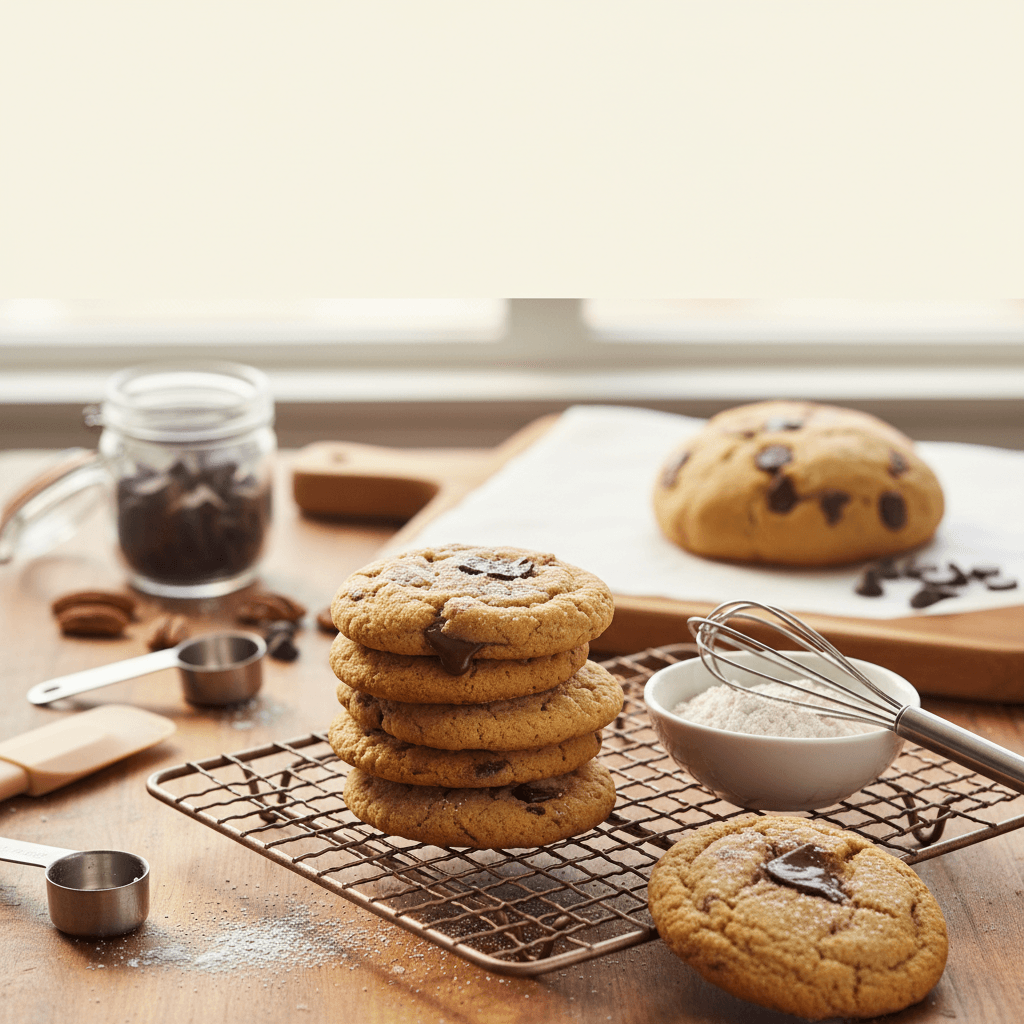
Gluten-free cookies are one of the most profitable and approachable products you can sell from a home bakery. In this guide, we'll cover exactly how to build a gluten-free cookie business from your kitchen — from choosing recipes that hold up to shipping, to pricing that reflects your real costs, to finding the fiercely loyal customers who are desperate for a baker they can trust.
Key takeaways
- Gluten-free cookies have some of the highest profit margins in home baking because customers expect and accept premium pricing — they won't push back the way conventional cookie buyers do.
- The gluten-free customer base is intensely loyal. Once someone with celiac disease or a gluten sensitivity finds a baker they trust, they tell everyone in their community.
- You'll face far less local competition selling gluten-free cookies than conventional ones, because most home bakers avoid the specialty entirely.
- Cross-contamination prevention is non-negotiable. Your kitchen setup and ingredient sourcing are just as important as your recipes.
- Ingredient costs run 2-4x higher than conventional baking, but your pricing should reflect the value you provide — never apologize for it.
- Reaching the gluten-free community requires targeted outreach through celiac support groups, GF-specific social media groups, and partnerships with local health professionals.
Why gluten-free cookies are one of the best home bakery products to sell
If you're choosing what to bake for a home business, gluten-free cookies hit a sweet spot that's hard to beat. They're shelf-stable enough for farmers markets and shipping, they batch well for efficient production, and the per-unit margins are excellent. But the real advantage is the market itself.
Celiac diagnosis rates continue to climb, and the broader gluten-free trend shows no signs of slowing down. That means a growing pool of customers who are actively searching for reliable gluten-free baked goods — and struggling to find them. Most grocery store options are mediocre at best. Most home bakers stick to conventional recipes because they're intimidated by gluten-free flour blends. That leaves a wide-open lane for anyone willing to learn the craft.
We've written extensively about the best gluten-free products to sell for profit, and cookies consistently rank near the top. They're forgiving for beginners, they scale well as you grow, and they're easy to package attractively.
If you're serious about building your gluten-free baking skills before you start selling, our Confident Gluten-Free Baker Toolkit walks you through flour blends, troubleshooting, and recipe development so you're not guessing when real orders come in.
How to choose gluten-free cookie recipes that sell well
Not every gluten-free cookie recipe translates well to a home bakery. You need recipes that taste incredible, hold up during transport, and can be produced in consistent batches. Here's what to prioritize.
Start with naturally gluten-free cookies
Some of the best-selling gluten-free cookies are ones that were never meant to have wheat flour in the first place. Think flourless chocolate cookies, almond flour-based macarons, and peanut butter cookies made with just peanut butter, sugar, and eggs. These are easier to perfect because you're not trying to mimic a wheat-based texture — you're working with the natural strengths of gluten-free ingredients.
Build a core menu of 4-6 flavors
Resist the urge to offer 20 flavors. A tight menu lets you buy ingredients in bulk (which matters enormously with pricier GF flours), streamline your production schedule, and perfect each recipe. We cover this in detail in our guide on how to create a menu for your home bakery that actually sells.
Test for shelf life and shipping durability
Gluten-free baked goods can stale faster than conventional ones — that's just the reality of working without gluten's moisture-retaining network. If you plan to ship cookies or sell them at markets, you need recipes that stay fresh for at least 3-5 days at room temperature. Our guide on preventing quick staling in gluten-free baking covers the science behind why this happens and how to solve it.
Preventing cross-contamination in your home kitchen
For customers with celiac disease, cross-contamination isn't a preference issue — it's a health issue. If you're selling gluten-free cookies, you need to take this seriously, and you need to communicate your practices clearly to build trust.
The safest approach is a fully dedicated gluten-free kitchen. If that's not possible, you'll need strict protocols: separate equipment, thorough cleaning between uses, and careful ingredient sourcing. Every flour, every extract, every chocolate chip needs to be verified gluten-free. Check labels obsessively — "wheat-free" does not mean "gluten-free."
Many cottage food laws don't specifically address allergen protocols, so you'll need to go above and beyond what's legally required. Your customers will ask about your practices, and having clear, honest answers builds the kind of trust that turns first-time buyers into lifelong fans. Review cottage food laws for home bakers to understand what your state requires, then exceed those standards.
How to price gluten-free cookies for a home bakery
Pricing is where most new home bakers get nervous — and where the gluten-free niche gives you a significant advantage. Here's the reality: gluten-free customers already know that specialty ingredients cost more. They're used to paying $6-8 for a small package of mediocre grocery store cookies. They will not blink at paying premium prices for homemade cookies that actually taste good.
Calculate your true ingredient costs
Gluten-free flours, starches, and binders cost 2-4x more than their conventional counterparts. A bag of brown rice flour or tapioca starch runs significantly more than all-purpose flour. You also need xanthan gum or other binders, certified GF oats, and specialty chocolate chips. Track every ingredient cost per batch and per cookie.
| Cost factor | Conventional cookies | Gluten-free cookies |
|---|---|---|
| Flour cost per pound | $0.50 - $1.00 | $2.00 - $5.00 |
| Binder (xanthan gum, etc.) | Not needed | $0.10 - $0.25 per batch |
| Certified GF chocolate chips | $2.50 - $3.50/bag | $4.00 - $6.00/bag |
| Average ingredient cost per dozen | $1.50 - $3.00 | $3.50 - $7.00 |
| Typical retail price per dozen | $12 - $18 | $18 - $30 |
Never apologize for your prices
This is critical. When someone asks why your cookies cost more, don't get defensive. Instead, communicate the value: certified gluten-free ingredients, a dedicated or carefully managed kitchen, recipes developed specifically for GF baking (not just wheat recipes with the flour swapped out), and the peace of mind that comes from buying from someone who understands celiac disease.
Frame your pricing as a reflection of quality and safety, not as a markup you're embarrassed about. Our full guide on how to price baked goods for a home bakery walks through the math in detail.
How to find gluten-free customers for your cookie business
The gluten-free community is tight-knit and incredibly supportive of small businesses that serve them well. But you have to go where they are — they won't just stumble across your Instagram page. Here are the most effective channels.
Local celiac support groups
Nearly every metro area has a celiac support group, often affiliated with organizations like the Celiac Disease Foundation or Beyond Celiac. These groups hold regular meetings, maintain email lists, and share local resources. Reach out to the group leader, offer to bring samples to a meeting, and ask if you can be listed as a local gluten-free baker. One positive experience at a support group meeting can generate a steady stream of orders.
Gluten-free Facebook groups and online communities
Search for gluten-free groups specific to your city or region. These groups are active, engaged, and constantly asking for recommendations. Be helpful first — answer questions, share tips — and then mention that you bake and sell GF cookies locally. Word of mouth in these communities spreads remarkably fast.
Health food stores and nutritionist partnerships
Local health food stores often have community bulletin boards where you can post a business card or flyer. Better yet, ask if they'd carry your cookies on consignment or let you do a tasting event. Partnering with local nutritionists and dietitians who work with celiac patients is another powerful channel — they're always looking for safe food recommendations to give their clients.
Farmers markets
Farmers markets are ideal for gluten-free cookies because customers can taste before they buy, and you can have face-to-face conversations about your ingredients and kitchen practices. Being the only gluten-free vendor at a market gives you a built-in advantage. We cover market strategy in depth in our post on the best baked goods to sell at farmers markets.
For a broader look at customer acquisition tactics, check out our guide on how to get customers for a home bakery.
Building loyalty and repeat business with gluten-free customers
Here's something that generic home bakery advice won't tell you: gluten-free customers are the most loyal customer base you'll ever serve. When someone with celiac disease finds a baker who makes safe, delicious cookies, they don't shop around. They stick with you, they order regularly, and they tell every person in their support group, their GF Facebook group, and their family.
This loyalty means your customer acquisition cost drops dramatically over time. Your first 10-20 happy customers can realistically generate 50+ more through word of mouth alone. To earn and keep that loyalty:
- Be transparent about ingredients. List every ingredient on your packaging and be ready to answer questions about sourcing and certification.
- Be consistent. Every batch needs to taste the same. This is where having perfected recipes and standardized processes matters enormously.
- Offer a subscription or recurring order option. Even something as simple as a "cookie of the month" box gives customers a reason to buy regularly and gives you predictable revenue.
- Remember that you're solving a real problem. For many celiac patients, finding safe baked goods that actually taste good is genuinely emotional. Treat that trust with the respect it deserves.
Seasonal opportunities for gluten-free cookie sales
Holidays are when gluten-free cookie sales can spike dramatically. People with celiac disease often feel left out during holiday gatherings, and a beautiful box of safe, delicious cookies is a meaningful gift — both for them and for the family members who want to include them.
Plan seasonal offerings around major holidays: Christmas cookie boxes, Valentine's Day assortments, Easter themed cookies, and Halloween treats for kids. Promote these 4-6 weeks in advance through your customer list and local GF groups. Holiday cookie boxes at $25-40 per box can generate significant revenue in a short window.
Getting your legal and business foundations right
Before you sell your first cookie, make sure you're operating legally. Cottage food laws vary significantly by state — some states have generous revenue caps and minimal requirements, while others are more restrictive. A few key things to research:
- Whether your state allows home-baked goods sales and what the annual revenue cap is
- Labeling requirements, especially for allergens (most states require ingredient lists)
- Whether you need a food handler's permit or kitchen inspection
- Insurance — it's not always required, but it's smart protection
Our guides on home bakery license requirements by state and how to sell gluten-free baked goods from home cover all of this in detail.
Frequently asked questions
How much can you make selling gluten-free cookies from home?
Most home bakers selling gluten-free cookies can earn $500-2,000 per month as a side hustle, with full-time bakers earning significantly more. Margins on gluten-free cookies are strong because customers accept premium pricing — a dozen GF cookies typically sells for $18-30 compared to $12-18 for conventional cookies. Our post on how much home bakers actually make breaks down realistic income expectations.
Do you need a special license to sell gluten-free cookies from home?
In most states, you can sell gluten-free cookies under cottage food laws without a commercial kitchen. However, requirements vary — some states require food handler's permits, specific labeling, or have annual revenue caps. Check our cottage food laws guide for state-by-state details.
What are the best gluten-free cookie flavors to sell?
The best sellers tend to be chocolate chip (always the top request), double chocolate, snickerdoodle, peanut butter, and seasonal flavors like gingerbread or pumpkin spice. Naturally gluten-free cookies made with almond flour or oat flour often have the best texture and the lowest ingredient costs relative to their selling price.
How do you prevent cross-contamination when baking gluten-free cookies at home?
The gold standard is a fully dedicated gluten-free kitchen. If that's not possible, use separate equipment (mixing bowls, baking sheets, wooden spoons), clean all surfaces thoroughly before baking, and verify that every ingredient is certified gluten-free. Never assume an ingredient is safe — always check the label and manufacturer's allergen statement.
How do you convince customers that gluten-free cookies are worth the higher price?
Don't try to convince — educate. Be upfront about the cost of certified gluten-free ingredients, the extra care required to prevent cross-contamination, and the quality of your recipes. Most gluten-free customers already understand why prices are higher. Focus on the value you provide: safe, delicious cookies they can trust, made by someone who genuinely understands their needs.
Ready to turn your gluten-free baking into a real business?
You already know how to bake gluten-free. The missing piece is turning that into consistent orders and real income. Our free Home Bakery Pro masterclass shows you exactly how — without relying on social media.

Written by
Co-founder, BakingSubs
Co-founder of BakingSubs, where he turns the science of ingredient substitutions into tested, reliable guidance for home bakers.
Related Posts
Bake with Confidence
See all
Confident Gluten-Free Baker Toolkit
The science-based system that replaces gluten's seven invisible jobs so your baking turns out soft, fluffy, and foolproof — every time.

Gluten-Free Recipe Vault
Instant access to our complete library of proven gluten-free recipes — no waiting, no guesswork, just results that work tonight.

Fix Your Gluten-Free Bread
Learn the 3-step formula to make bread rise and stay soft, discover why your loaves collapse, and get a tested sandwich bread recipe that actually works.