
Gluten-free bakery niche: is it worth it? Why this market is one of the best opportunities for home bakers
Is the gluten-free bakery niche worth it? Yes. Less competition, higher prices, and fiercely loyal customers make it one of the best home bakery opportunities.

Malik
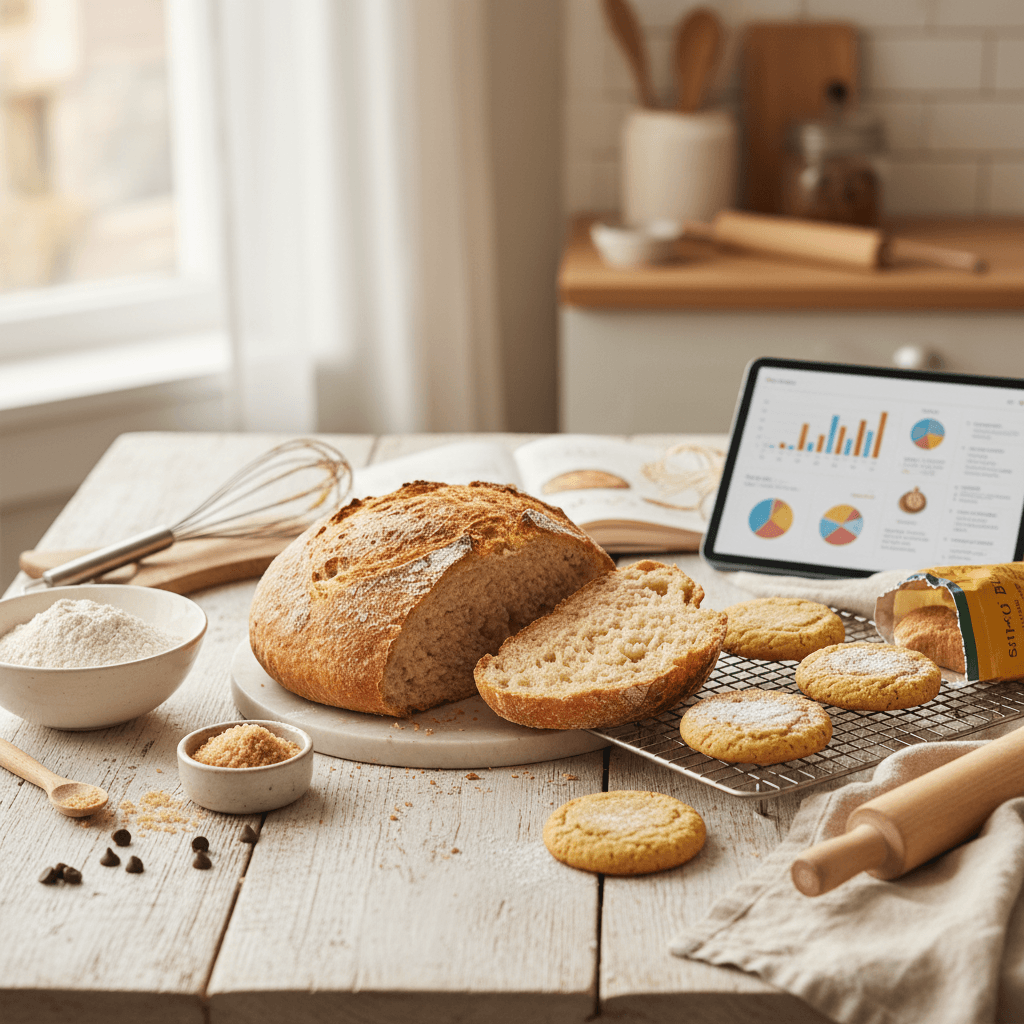
If you're thinking about starting a home bakery and wondering whether the gluten-free niche is actually worth pursuing, the short answer is yes — and it's one of the smartest moves you can make right now. Here's why the numbers, the customers, and the competitive landscape all work in your favor.
Key takeaways
- The gluten-free market is projected to exceed $10 billion in the US by 2027, driven by rising celiac diagnoses and health-conscious consumers.
- Gluten-free customers expect to pay more — they won't push back on premium pricing the way conventional bakery customers do.
- Local competition is thin because most home bakers avoid gluten-free due to the learning curve, giving you a wide-open market.
- Celiac and gluten-intolerant customers are fiercely loyal and spread the word fast once they find a baker they trust.
- You can start a gluten-free home bakery with relatively low startup costs and scale as demand grows.
- Seasonal opportunities like holidays, weddings, and catering let you charge premium rates for products few other bakers offer.
Why the gluten-free bakery niche has less competition than you think
Most home bakers avoid gluten-free baking entirely because they think it's too hard. That's your advantage. The technical learning curve — understanding almond flour, brown rice flour, xanthan gum ratios, and how to avoid gritty textures — scares off the competition before they even start.
In a typical local market, you might have dozens of home bakers selling standard cookies and cakes. But gluten-free? You might be one of two or three, or the only one. That's not a niche problem — that's a positioning goldmine.
We've spent years building guides on gluten-free baking fundamentals because we know how steep the learning curve feels at first. But once you've mastered it, you have a skill set that most bakers simply don't have — and customers will pay a premium for that expertise.
If you want to fast-track your gluten-free baking skills, our Confident Gluten-Free Baker Toolkit walks you through flour blends, troubleshooting, and recipe development so you can bake with consistency from day one.
Gluten-free customers have higher price tolerance
This is the single biggest financial advantage of the gluten-free niche: your customers already expect to pay more, and they don't push back on pricing. People with celiac disease or gluten sensitivity have been paying $7-9 for a mediocre loaf of grocery store bread for years. When you offer them something that actually tastes good and is made with care, they're thrilled to pay your price.
Compare that to the conventional bakery market, where customers comparison-shop against grocery store cakes and expect to pay $20 for a custom birthday cake. In the gluten-free space, that same customer will happily pay $35-50 because they know how rare a good gluten-free cake is.
If you're worried about how to set your prices, our guide on how to price baked goods for a home bakery breaks down the real numbers. The key with gluten-free is to communicate the value of specialty ingredients and cross-contamination-safe practices rather than apologizing for higher prices. Your customers understand the cost — they live it every day.
| Factor | Conventional home bakery | Gluten-free home bakery |
|---|---|---|
| Local competition | High — many bakers in most areas | Low — few bakers have the skills |
| Customer price sensitivity | High — compared to grocery store | Low — customers expect premium prices |
| Ingredient costs | Lower | Higher (but margins can be better) |
| Customer loyalty | Moderate | Very high — hard to find alternatives |
| Word-of-mouth potential | Average | Exceptional — tight-knit community |
| Repeat order rate | Moderate | High — customers rely on you |
The gluten-free community is fiercely loyal
Once a celiac customer finds a baker they trust, they don't leave. Period. The gluten-free community is tight-knit, well-connected, and incredibly vocal about recommending businesses that serve them well. One happy customer can send you five more within a week.
This loyalty stems from how underserved the community is. People with celiac disease can't just grab a cupcake at any bakery. They can't eat the office birthday cake. They've been left out of celebrations their entire lives. When you show up and offer them something safe, delicious, and made with genuine care, you become their go-to baker — not just for themselves, but for every event they're involved in.
This word-of-mouth effect is more powerful than any social media strategy. Celiac support groups, gluten-free Facebook communities, and local health food store bulletin boards are all places where your name gets passed around organically. We cover more specific tactics for reaching these customers in our guide on how to get customers for a home bakery.
Why gluten-free ingredient costs don't hurt your margins
Yes, gluten-free ingredients cost more. A bag of cassava flour or a quality GF flour blend costs two to three times what all-purpose flour does. But here's what most people miss: your selling prices more than compensate for those costs.
When a standard cookie sells for $2 and costs $0.40 in ingredients, your margin is $1.60. When a gluten-free cookie sells for $3.50 and costs $0.80 in ingredients, your margin is $2.70. You're making more per item even though your ingredients cost more. The math works because gluten-free customers accept — and expect — premium pricing.
The key is understanding your costs clearly and pricing accordingly. Don't guess. Track every ingredient, weigh everything, and know your cost per item. Our post on most profitable gluten-free items to sell breaks down which products give you the best return on your time and ingredient investment.
The gluten-free market is growing, not shrinking
The gluten-free food market in the US has been growing steadily at 8-10% annually, and that trend shows no signs of slowing. Several factors are driving this growth:
- Rising celiac diagnosis rates. As testing improves, more people are being diagnosed with celiac disease. Current estimates suggest about 1 in 100 people have celiac, and the majority are still undiagnosed.
- Non-celiac gluten sensitivity. A growing number of people report feeling better on a gluten-free diet, even without a celiac diagnosis. Whether or not the science is settled, these are paying customers.
- Health-conscious consumers. Many people choose gluten-free products as part of a broader health and wellness lifestyle, expanding your potential customer base beyond the medically necessary crowd.
This means your customer base is literally getting larger every year. Starting now positions you ahead of the curve rather than trying to break into an already crowded market later.
Seasonal and premium opportunities in gluten-free baking
The gluten-free niche shines brightest during holidays, weddings, and special events — exactly the times when people spend the most on baked goods. Think about it: every Thanksgiving, every birthday party, every wedding has at least one guest who can't eat the standard desserts. You become the solution.
Holiday seasons are especially lucrative. While other bakers compete for the same pool of standard pie and cookie orders, you're the only one offering gluten-free Thanksgiving pies or safe holiday treats. That means less competition and higher demand during the busiest baking months of the year.
Wedding cakes are another massive opportunity. Gluten-free wedding cakes command significantly higher prices than standard cakes because so few bakers offer them reliably. A conventional wedding cake might bring in $300-500, but a gluten-free wedding cake can easily command $500-800 or more because the couple has almost no other options.
How to reach gluten-free customers in your area
Finding your first gluten-free customers is easier than you might think because this community is already organized and actively looking for bakers like you. Here are specific tactics that work:
- Local celiac support groups. Nearly every metro area has one. Contact the organizer, offer to bring samples to a meeting, and you'll walk away with orders.
- Gluten-free Facebook groups. Search for groups specific to your city or region. These groups regularly post requests for local GF bakers. Introduce yourself with photos of your work.
- Health food store bulletin boards. Stores like Whole Foods, Sprouts, and local co-ops often have community boards. Post a professional flyer with your menu and contact info.
- Partner with local nutritionists and dietitians. These professionals regularly work with newly diagnosed celiac patients who are desperate for good food recommendations. A referral relationship here is incredibly valuable.
- Farmers markets. Selling at a local farmers market with a clear "gluten-free" sign draws in customers who have been walking past every other booth. Our guide on the best baked goods to sell at farmers markets covers what moves fastest.
What it actually takes to start a gluten-free home bakery
Starting a gluten-free home bakery doesn't require a massive investment, but it does require some specific knowledge and planning. The biggest considerations are:
- Legal requirements. You'll need to understand your state's cottage food laws and whether they allow gluten-free claims. Some states have specific labeling requirements for allergen-free products.
- Cross-contamination prevention. This is non-negotiable. Your gluten-free customers trust you with their health. You need dedicated equipment, separate storage, and clear protocols. This is also a selling point — being able to say "dedicated gluten-free kitchen" sets you apart immediately.
- Recipe development. You need a core menu of reliable recipes that you can execute consistently. Focus on 5-8 items to start and expand from there.
- Ingredient sourcing. Know where to buy certified gluten-free flours, starches, and binders in bulk to keep your costs manageable.
Our comprehensive guide on how to start a gluten-free home bakery walks through every step of this process in detail.
Is a gluten-free home bakery actually profitable?
Yes — and often more profitable than a conventional home bakery. The combination of higher selling prices, lower competition, and exceptional customer loyalty creates a business model with strong margins and reliable repeat revenue.
Many gluten-free home bakers report earning $1,000-3,000 per month as a side hustle and $4,000-8,000+ per month when running closer to full time. These numbers vary by location, product mix, and how aggressively you market, but the ceiling is higher than most people expect. We break down realistic income expectations in our post on whether a home bakery is profitable in 2026.
The bottom line: if you already have gluten-free baking skills (or you're willing to develop them), the niche is absolutely worth it. The market is growing, the competition is thin, and the customers are loyal and willing to pay what your products are worth.
Frequently asked questions
Is gluten-free baking profitable for a home bakery?
Yes, gluten-free baking is typically more profitable per item than conventional baking because customers expect and accept premium pricing. While ingredient costs are higher, your selling prices more than compensate. Many GF home bakers earn strong margins on items like custom cakes, cookies, and bread. Check out our breakdown of the most profitable gluten-free items to sell for specific numbers.
How much more can you charge for gluten-free baked goods?
Gluten-free baked goods typically sell for 40-75% more than their conventional equivalents. A standard dozen cookies might sell for $18, while a gluten-free dozen can command $28-32. Custom gluten-free cakes and wedding cakes carry even larger premiums because so few bakers offer them reliably.
Do you need a separate kitchen for a gluten-free home bakery?
You don't necessarily need a completely separate kitchen, but you do need strict cross-contamination protocols — dedicated baking equipment, separate storage containers, and thorough cleaning procedures. Some states have specific requirements under their cottage food laws, so check your local regulations. Being able to advertise a dedicated gluten-free kitchen is a significant competitive advantage.
How do I find gluten-free customers in my area?
Start with local celiac support groups, gluten-free Facebook groups for your city or region, and health food store bulletin boards. Partnering with local nutritionists and dietitians who work with celiac patients is also highly effective. Farmers markets with clear gluten-free signage attract customers who have been searching for a baker like you.
What are the best gluten-free products to sell from a home bakery?
The most profitable gluten-free products tend to be custom cakes, artisan bread, decorated cookies, and seasonal items like holiday pies. Items that are hard to find in stores or that taste significantly better homemade command the highest prices. Our guide to the best gluten-free products to sell for profit covers this in detail.
Ready to turn your gluten-free skills into a real business?
You already know how to bake gluten-free. The missing piece is turning that into consistent orders and real income. Our free Home Bakery Pro masterclass shows you exactly how — without relying on social media.

Written by
Co-founder, BakingSubs
Co-founder of BakingSubs, where he turns the science of ingredient substitutions into tested, reliable guidance for home bakers.
Related Posts
Bake with Confidence
See all
Confident Gluten-Free Baker Toolkit
The science-based system that replaces gluten's seven invisible jobs so your baking turns out soft, fluffy, and foolproof — every time.

Gluten-Free Recipe Vault
Instant access to our complete library of proven gluten-free recipes — no waiting, no guesswork, just results that work tonight.

Fix Your Gluten-Free Bread
Learn the 3-step formula to make bread rise and stay soft, discover why your loaves collapse, and get a tested sandwich bread recipe that actually works.