

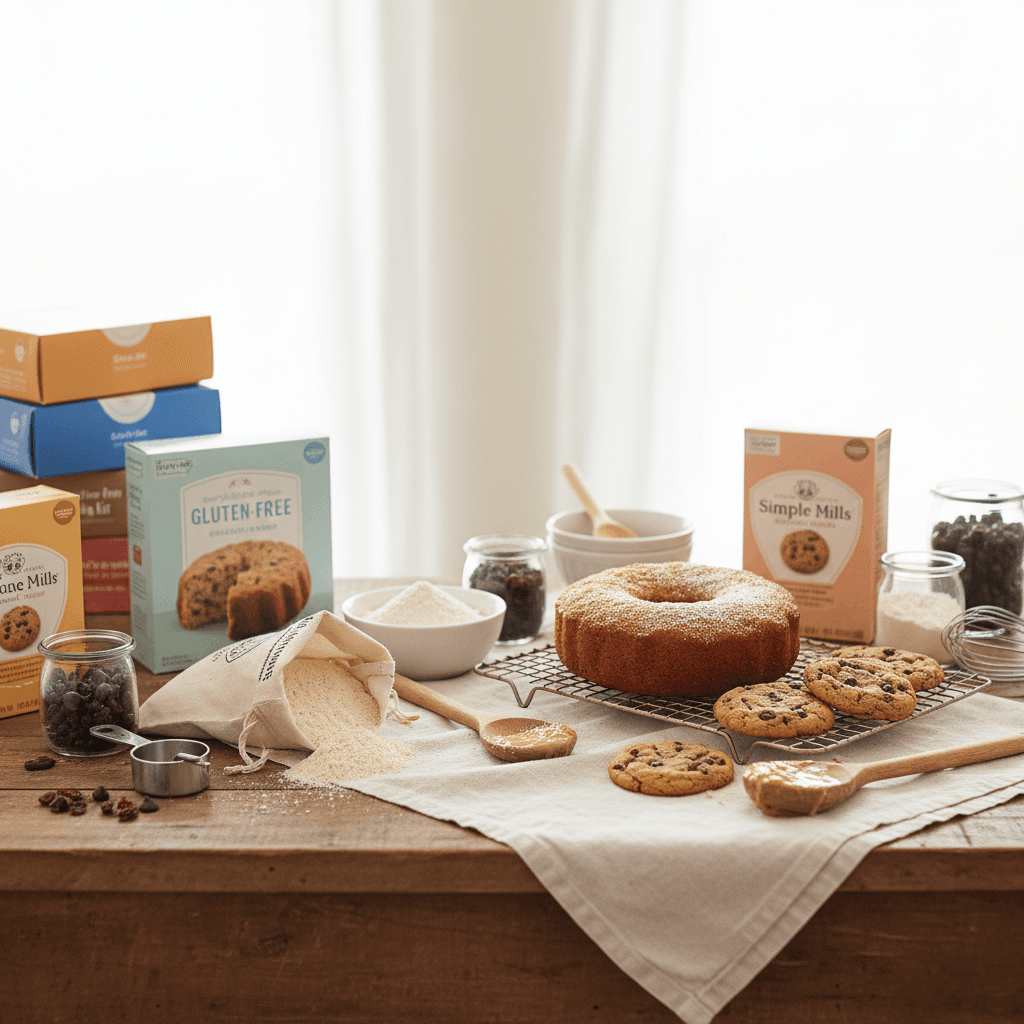
Starting gluten-free baking from scratch is overwhelming — unfamiliar flours, mysterious binders, and recipes that don't behave like their wheat-based counterparts. A well-designed baking kit takes the guesswork out of those first projects and gives you a win right out of the gate. Here are the 7 best gluten-free baking kits for beginners, with honest pros, cons, and our top pick.
Key takeaways
- The best gluten-free baking kits for beginners include pre-measured dry ingredients and clear instructions, so you can focus on technique instead of sourcing specialty flours.
- King Arthur is the most widely trusted brand for gluten-free baking mixes, with consistent results across their product line.
- Expect to spend between $6 and $25 per kit depending on brand, recipe complexity, and whether specialty ingredients are included.
- Kits that require you to add only eggs, butter, and water tend to produce the most reliable results for first-time gluten-free bakers.
- Even with a kit, using a kitchen scale and an instant-read thermometer dramatically improves your results.
- Once you're comfortable with kits, transitioning to from-scratch recipes with a good flour blend is the natural next step.
What to look for in a gluten-free baking kit
The best gluten-free baking kits share a few non-negotiable qualities: certified gluten-free labeling (not just "made without gluten ingredients"), a well-balanced flour blend, and minimal additives. Beyond that, here's what separates a great beginner kit from a mediocre one.
Certified gluten-free status
Look for the GFCO (Gluten-Free Certification Organization) seal or equivalent third-party certification. This means the product has been tested to contain fewer than 10 ppm of gluten. "Made in a dedicated gluten-free facility" is a bonus but not a substitute for certification.
Flour blend quality
Kits built on a balanced blend of rice flour, tapioca starch, and potato starch tend to produce the most neutral, crowd-pleasing results. Some kits use almond flour or cassava flour as a base, which can be great but changes the texture and flavor profile significantly. If you're not sure what you prefer yet, start with a rice-based blend.
Simplicity of preparation
As a beginner, you want a kit that asks you to add 2-4 fresh ingredients at most — typically eggs, butter or oil, and water or milk. The fewer variables you introduce, the more likely you are to nail it on the first try.
If you want a deeper dive into setting up your kitchen and stocking the right tools before you start baking, our Confident Gluten-Free Baker Toolkit walks you through everything from equipment to technique so your first bake is a success, not a science experiment.
The 7 best gluten-free baking kits for beginners
We evaluated these kits based on taste, ease of preparation, ingredient quality, allergen transparency, and how well they work for someone who has never baked gluten-free before. Here's how they stack up.
| Kit | Best for | Price range | Certified GF |
|---|---|---|---|
| King Arthur Gluten-Free Classic Yellow Cake Mix | Overall best for beginners | $7-$9 | Yes |
| Bob's Red Mill GF Chocolate Cake Mix | Chocolate lovers | $6-$8 | Yes |
| Simple Mills Almond Flour Banana Muffin Mix | Clean ingredient lists | $7-$10 | Yes |
| King Arthur Gluten-Free All-Purpose Bread Mix | First-time bread bakers | $8-$10 | Yes |
| Pamela's Chocolate Brownie Mix | Foolproof brownies | $6-$8 | Yes |
| Cup4Cup Chocolate Brownie Mix | Premium taste and texture | $10-$13 | Yes |
| Wholesome Yum Keto Baking Mix | Low-carb and grain-free bakers | $15-$25 | Yes |
1. King Arthur Gluten-Free Classic Yellow Cake Mix — our top pick
This is the kit we recommend to every beginner, and for good reason. The King Arthur Gluten-Free Classic Yellow Cake Mix produces a moist, tender crumb that genuinely rivals conventional cake. You add eggs, butter, and water — that's it.
King Arthur's gluten-free line is produced in a dedicated gluten-free facility, which is a huge confidence booster when you're just starting out. The flavor is clean and buttery without any of the gritty, "off" taste that plagues cheaper mixes. For a deeper look at their full product range, check out our King Arthur Flour Gluten-Free complete product line review.
Pros: Consistent results, dedicated GF facility, widely available, affordable.
Cons: Contains dairy (not suitable for dairy-free bakers without modifications).
2. Bob's Red Mill Gluten-Free Chocolate Cake Mix
If chocolate cake is your goal, the Bob's Red Mill Gluten-Free Chocolate Cake Mix is a reliable and budget-friendly choice. It uses a blend of rice flour, tapioca starch, and cocoa powder for a rich chocolate flavor.
Bob's Red Mill tests every batch to confirm gluten-free status, and the mix is straightforward to prepare. The texture is slightly denser than the King Arthur cake, but many people prefer that fudgy quality in a chocolate cake.
Pros: Great chocolate flavor, affordable, widely available.
Cons: Slightly denser crumb, may need extra moisture in dry climates.
3. Simple Mills Almond Flour Banana Muffin and Bread Mix
For bakers who want a cleaner ingredient list — no refined starches, no gums — the Simple Mills Almond Flour Banana Muffin and Bread Mix is a standout. It's built on almond flour and uses arrowroot and coconut sugar instead of rice flour and cane sugar.
The flavor is naturally sweet and nutty, and the muffins come out beautifully domed. You'll need a ripe banana, eggs, and oil. This is also a great option if you're exploring almond flour vs coconut flour and want to see how almond flour performs in a real recipe before committing to a 3-pound bag.
Pros: Minimal, recognizable ingredients, grain-free, great flavor.
Cons: Not suitable for nut allergies, higher price per serving, limited to muffins/quick bread.
4. King Arthur Gluten-Free All-Purpose Bread Mix
Bread is the hardest category in gluten-free baking, so starting with a proven mix is smart. The King Arthur Gluten-Free All-Purpose Bread Mix includes xanthan gum already blended in, which eliminates one of the trickiest variables for beginners.
You'll add yeast, eggs, butter, and warm water. The result is a soft sandwich loaf with a real bread crust. If you run into issues, our gluten-free bread troubleshooting guide covers the 15 most common problems and how to solve them.
Pros: Reliable sandwich bread, binder included, excellent instructions.
Cons: Requires yeast proofing (slightly more advanced), best results with a stand mixer.
5. Pamela's Gluten-Free Chocolate Brownie Mix
Brownies are arguably the most forgiving baked good for beginners, and Pamela's Chocolate Brownie Mix makes them nearly impossible to mess up. The mix produces thick, fudgy brownies with a crackly top — the kind that make people forget they're gluten-free.
You just add eggs and melted butter. The entire process takes about 5 minutes of active work. If you've been frustrated by gummy gluten-free brownies in the past, this mix solves that problem right out of the box.
Pros: Dead simple, excellent fudgy texture, crowd-pleasing flavor.
Cons: Limited to brownies, contains soy.
6. Cup4Cup Chocolate Brownie Mix
If you're willing to spend a bit more for a premium result, the Cup4Cup Chocolate Brownie Mix delivers bakery-quality brownies. Cup4Cup was developed by a former Thomas Keller pastry chef, and the quality shows. The texture is dense and rich without being gummy, and the chocolate flavor is deep and complex.
Pros: Premium taste and texture, elegant results, great for impressing guests.
Cons: More expensive than competitors, contains dairy and soy, harder to find in stores.
7. Wholesome Yum Keto Baking Mix
For bakers who are both gluten-free and low-carb, the Wholesome Yum Keto Baking Mix is a versatile option. It's built on almond flour and coconut flour with no added sugar, and it works for pancakes, muffins, and quick breads.
This is the most expensive option on our list, but it's also the most flexible — one bag can be used for multiple recipe types. The flavor is mild and slightly nutty, and the texture is surprisingly close to conventional baked goods for a grain-free product.
Pros: Versatile, keto-friendly, grain-free, no added sugar.
Cons: Highest price point, not ideal for cakes or bread, contains tree nuts.
Common mistakes beginners make with gluten-free baking kits
Even with a kit doing most of the heavy lifting, there are a few pitfalls that trip up new gluten-free bakers. Avoiding these will save you wasted ingredients and frustration.
Skipping the rest time
Many gluten-free batters benefit from sitting for 5-10 minutes before baking. This lets the starches hydrate and the batter thicken. If the instructions say to let it rest, don't skip it.
Opening the oven too early
Gluten-free baked goods are more fragile during baking because there's no gluten network holding everything together. Opening the oven in the first 20 minutes can cause cakes to collapse. If you're struggling with this, our guide on why your gluten-free cake sinks explains the science behind it.
Measuring flour by volume instead of weight
This is the single biggest source of inconsistency in gluten-free baking. Gluten-free flours compact differently than wheat flour, so a "cup" can vary by 20-30% depending on how you scoop it. If your kit lists weight measurements, use them. A good kitchen scale costs under $15 and will transform your results.
Not cooling completely before slicing
Gluten-free breads and cakes continue setting their structure as they cool. Cutting into them too early almost always results in a gummy, underbaked center. This is especially true for bread — give it at least an hour on a proper cooling rack before slicing.
When to graduate from kits to from-scratch baking
Kits are a fantastic starting point, but eventually you'll want the freedom (and cost savings) of baking from scratch. Here are signs you're ready to make the leap:
- You've successfully made 5-10 kit recipes without major issues.
- You understand the role of binders like xanthan gum and psyllium husk in gluten-free baking.
- You own a kitchen scale and use it consistently.
- You're curious about customizing flavors and textures beyond what a box offers.
When you're ready, start with a trusted all-purpose gluten-free flour blend and simple recipes like muffins or quick breads. Our 10 gluten-free baking mistakes guide will help you avoid the most common stumbling blocks as you transition.
Frequently asked questions
Are gluten-free baking kits actually good?
Yes, the best gluten-free baking kits produce results that are genuinely delicious and often indistinguishable from conventional baked goods. The key is choosing kits from reputable brands like King Arthur or Bob's Red Mill that use well-balanced flour blends and include proper binders. Cheap, off-brand kits with low-quality starches are the ones that give gluten-free mixes a bad reputation.
What is the easiest thing to bake gluten-free for beginners?
Brownies are the easiest gluten-free baked good for beginners because they're naturally dense and fudgy, which means the absence of gluten is barely noticeable. Muffins are a close second. Bread is the hardest, so save that for after you've built some confidence. If you do want to start with bread, a kit like the King Arthur bread mix paired with our guide to making gluten-free bread rise properly will give you the best shot at success.
Do gluten-free baking kits need xanthan gum?
Most gluten-free baking kits already include xanthan gum or another binder in the dry mix, so you don't need to add it separately. Always check the ingredient list before adding extra. Too much xanthan gum makes baked goods gummy and unpleasant. If you're curious about how different binders work, our guide to gluten-free binders that actually work breaks it all down.
How much do gluten-free baking kits cost?
Most gluten-free baking kits cost between $6 and $13 for a single recipe's worth of mix. Premium and specialty kits (keto, grain-free) can run $15-$25. While that's more expensive than a conventional box mix, it's significantly cheaper than buying 5-6 specialty flours and starches individually when you're just starting out.
Can I use gluten-free baking kits in a bread machine?
Some gluten-free bread mixes are specifically designed for bread machines, and King Arthur's bread mix works well in most machines with a gluten-free cycle. Check the kit's packaging for bread machine instructions. If you're considering a bread machine, our guide to the best bread machines for gluten-free bread covers which models have reliable gluten-free cycles.

Written by
Co-founder, BakingSubs
Co-founder of BakingSubs, where he turns the science of ingredient substitutions into tested, reliable guidance for home bakers.
Related Posts
Bake with Confidence
See all
Confident Gluten-Free Baker Toolkit
The science-based system that replaces gluten's seven invisible jobs so your baking turns out soft, fluffy, and foolproof — every time.

Gluten-Free Recipe Vault
Instant access to our complete library of proven gluten-free recipes — no waiting, no guesswork, just results that work tonight.

Fix Your Gluten-Free Bread
Learn the 3-step formula to make bread rise and stay soft, discover why your loaves collapse, and get a tested sandwich bread recipe that actually works.