

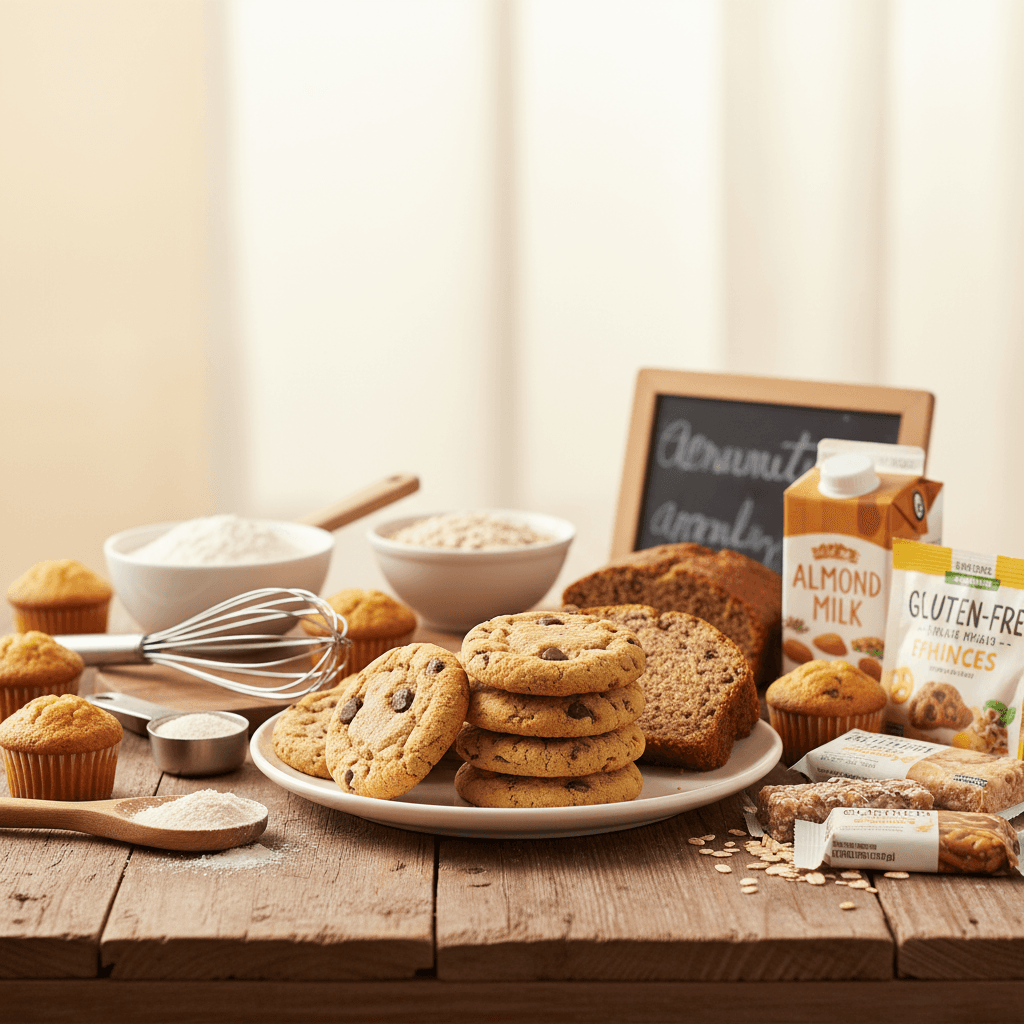
Sending your kid back to school with a gluten-free lunch that's safe, filling, and something they'll actually eat can feel like a daily puzzle. Here's our complete roundup of homemade recipes, store-bought shortcuts, and practical tips to make gluten-free school lunches easy all year long.
Key takeaways
- You don't need to bake everything from scratch — a mix of homemade staples and reliable store-bought products keeps lunchboxes interesting without burning you out.
- Many classic school lunch recipes (muffins, sandwich bread, pizza rolls) convert beautifully to gluten-free with the right flour blends and binders.
- Batch baking on weekends and freezing individual portions saves significant time during the week.
- Always check labels on store-bought products for "may contain wheat" warnings, especially with back-to-school reformulations.
- Order specialty gluten-free products by mid-August to have everything on hand for the first day of school.
- A good bento-style lunchbox with separate compartments helps keep gluten-free items from touching shared surfaces.
Homemade gluten-free sandwich bread that holds up in a lunchbox
The single most useful thing you can bake for school lunches is a sturdy gluten-free sandwich bread that doesn't crumble by noon. A basic recipe uses a blend of brown rice flour, tapioca starch, and potato starch, bound with xanthan gum and eggs. The key is not skimping on the binder — it's what gives the bread enough structure to survive a backpack.
If your family recipe calls for all-purpose flour, you can swap it one-to-one with a good gluten-free blend. We have a full guide on gluten-free baking fundamentals that walks you through choosing the right flour combination for bread. If your loaves are coming out dry or crumbly, check our troubleshooting guide on fixing dry, crumbly gluten-free bakes.
Bake a loaf on Sunday, slice it, and freeze individual portions with parchment between slices. Pull two slices out each morning and they'll be thawed and ready by lunch.
If you want to go deeper on building confidence with gluten-free recipes beyond just bread, our Confident Gluten-Free Baker Toolkit covers flour blends, binder ratios, and troubleshooting for every category of baking. It's a great foundation for anyone adapting family recipes to gluten-free.
Gluten-free muffins and quick breads for easy lunchbox sides
Muffins are the ultimate batch-and-freeze school lunch item. Banana muffins, pumpkin spice muffins, and blueberry muffins all work beautifully with gluten-free flour blends. Use almond flour for moisture and richness, or stick with a rice flour base if your school is nut-free.
For sweetener, a combination of brown sugar and a touch of honey works well. If you're watching sugar intake, our guide on choosing sugar alternatives has options that work well in muffins without sacrificing texture.
A standard batch of 12 muffins takes about 30 minutes from bowl to oven. Freeze them individually wrapped, and you've got nearly two weeks of lunchbox sides from one baking session.
Nut-free school-safe muffin tips
Many schools have nut restrictions, which rules out almond flour. Swap it for cassava flour or an oat flour labeled gluten-free. Cassava gives a lighter crumb, while oat flour adds a slightly heartier texture kids tend to like. Sunflower seed butter can replace almond butter in any recipe that calls for it, though be aware it can turn green when it reacts with baking soda — totally safe, just surprising.
Gluten-free pizza rolls and savory snacks kids love
Pizza rolls are the lunchbox item that makes other kids jealous. Make a simple gluten-free dough using a blend of rice flour and tapioca starch, roll it thin, spread with pizza sauce and cheese, roll it up, slice into pinwheels, and bake at 375 degrees for about 15 minutes. These freeze and reheat well — just pack them with an ice pack and they'll be room temperature by lunch.
For a quicker version, use store-bought gluten-free pizza dough (Cappello's and Simple Mills both make good ones) and turn them into roll-ups. The whole process takes under 20 minutes with premade dough.
Other savory options that pack well:
- Gluten-free cheese crackers (homemade with rice flour and sharp cheddar)
- Mini quiches in silicone muffin molds
- Corn tortilla pinwheels with cream cheese and turkey
- Rice paper rolls with veggies and dipping sauce in a small container
Best store-bought gluten-free lunch products
Not every lunch needs to be homemade. These store-bought products are our picks for taste, safety, and lunchbox durability. Order by mid-August to have everything stocked before the first day of school.
| Product | Category | Why we like it |
|---|---|---|
| Canyon Bakehouse Heritage Style Bread | Sandwich bread | Soft texture, holds up to PB&J without crumbling, certified gluten-free |
| Simple Mills Almond Flour Crackers | Crackers/snacks | Clean ingredients, great flavor variety, sturdy enough for dipping |
| Schar Honeygrams | Sweet snack | Closest thing to graham crackers, individually wrapped for lunchboxes |
| Jovial Brown Rice Pasta | Pasta salad base | Holds its shape cold, doesn't get mushy, tastes like real pasta |
| MadeGood Granola Bars | Granola bar | Free from top 8 allergens, school-safe, kids actually like them |
Pro tip: Buy in bulk online rather than paying grocery store markup. A case of Canyon Bakehouse bread from Amazon often costs less per loaf than buying individually, and it freezes perfectly.
Make it easy: the no-bake gluten-free lunch plan
If baking from scratch isn't realistic during the school week (and honestly, for most of us it isn't), here's a simple framework that keeps lunches safe and varied without ever turning on the oven.
The formula: One protein + one carb + one fruit or veggie + one fun snack.
- Monday: Turkey and cheese on Canyon Bakehouse bread, apple slices, Simple Mills crackers
- Tuesday: Cold Jovial pasta salad with pesto and cherry tomatoes, string cheese, MadeGood bar
- Wednesday: Corn tortilla wrap with chicken and avocado, cucumber slices, Schar Honeygrams
- Thursday: Gluten-free deli meat and cheese roll-ups, grapes, rice cakes with sunflower butter
- Friday: Thermos of leftover soup or chili (naturally gluten-free), gluten-free pretzels, berries
This rotation takes about 10 minutes each morning and requires zero baking. Swap items in and out based on what your kid actually eats — the best gluten-free lunch is the one that comes home with an empty container.
How to adapt your family's favorite lunch recipes to gluten-free
This is where it gets personal. Maybe your kid loved your mom's banana bread, or your family has a go-to cookie recipe that's been packed in lunchboxes for generations. Going gluten-free doesn't mean losing those recipes — it means adapting them.
The basic approach for most recipes:
- Replace all-purpose flour with a cup-for-cup gluten-free blend (Bob's Red Mill 1-to-1 or King Arthur Measure for Measure are reliable starting points)
- Add a binder if the blend doesn't include one — xanthan gum at 1/2 teaspoon per cup of flour for cookies and muffins, 1 teaspoon per cup for bread
- Increase moisture slightly — gluten-free flours absorb more liquid, so add an extra tablespoon or two of milk or oil
- Let batter rest 10 minutes before baking to allow the starches to hydrate
If your recipe uses buttermilk, keep using it — the acidity helps gluten-free bakes rise better and taste less flat. For egg-heavy recipes, check our guide on how eggs function in baking to understand which role they're playing so you don't accidentally over- or under-substitute.
We know it can feel emotional when your child can't eat the same lunch as everyone else. But adapted family recipes carry the same love, and kids notice that. The first time your child tells a friend "my mom made these and they're gluten-free," with pride instead of embarrassment — that's the moment that makes all the extra effort worth it.
Weekend batch baking schedule for the school week
If you can carve out 2-3 hours on a Sunday, you can stock your freezer with enough homemade items to rotate through several weeks of lunches. Here's what we recommend baking in one session:
| Item | Quantity | Freezer life | Thaw time |
|---|---|---|---|
| Sandwich bread (1 loaf, sliced) | ~16 slices | 3 months | 30 min at room temp |
| Muffins (1 batch) | 12 muffins | 2 months | 1-2 hours at room temp |
| Pizza rolls (1 batch) | ~20 pieces | 2 months | Reheat from frozen 5 min |
| Cookie dough balls | 24 balls | 3 months | Bake from frozen 12-14 min |
Label everything with the date and contents. Use freezer-safe bags with the air pressed out. This system means you're baking maybe twice a month instead of every week, and your kid still gets homemade items in their lunch most days.
For more ideas on batch baking and making the most of your time and budget, our guide to budget baking essentials for meal prep and batch cooking covers everything from equipment to storage.
Preventing cross-contamination at school
Packing a safe lunch is only half the battle. Here are practical steps to reduce cross-contamination risk at school:
- Use a dedicated lunchbox that only holds gluten-free food. A bento-style box with built-in compartments reduces the need for shared containers.
- Include a placemat or large napkin your child can put down on the lunch table before eating.
- Talk to the teacher at the start of the year about your child's needs. Most schools are more accommodating than you'd expect.
- Pack hand wipes so your child can clean their hands before eating, especially after touching shared surfaces.
- Label everything clearly — not just for your child, but so other adults at school understand the food is allergen-specific.
If your child is old enough, practice explaining their dietary needs in a matter-of-fact way. Kids who can confidently say "I eat gluten-free" tend to have an easier social experience than those who feel they need to hide it.
Frequently asked questions
What is the best gluten-free bread for school sandwiches?
Canyon Bakehouse Heritage Style and Schar Artisan Baker White Bread are two of the most reliable options. Both hold up well at room temperature for several hours without crumbling. If you prefer homemade, a rice flour and tapioca starch blend with xanthan gum produces bread sturdy enough for sandwiches — check our guide on preventing dry, crumbly gluten-free bakes for tips.
How do I keep gluten-free school lunches from getting boring?
Rotate through different formats each week: sandwiches, wraps with corn tortillas, pasta salads, thermos meals, and bento-style boxes with dippable items. Changing the container and presentation can make the same ingredients feel fresh. Batch baking different items every other weekend also helps build variety in the freezer.
Are gluten-free school lunch products more expensive?
Yes, generally 30-50% more than conventional equivalents. Buying in bulk online, batch baking staples at home, and using naturally gluten-free foods like rice, corn tortillas, and fresh produce helps control costs. Our post on cheapest baking substitutes that actually work has more budget-friendly strategies.
Can I use oat flour in gluten-free school lunches?
Yes, as long as the oat flour is certified gluten-free. Regular oats are frequently cross-contaminated with wheat during processing. Brands like Bob's Red Mill and GF Harvest offer certified gluten-free oat flour that's safe for baking muffins, cookies, and quick breads for lunchboxes.
How far in advance can I prep gluten-free school lunches?
Baked goods like muffins, bread, and pizza rolls freeze well for 2-3 months. Assembled sandwiches can be made the night before and refrigerated. Pasta salads hold for 3-4 days in the fridge. The most efficient approach is a weekend batch bake combined with 10 minutes of assembly each morning.

Written by
Co-founder, BakingSubs
Co-founder of BakingSubs, where he turns the science of ingredient substitutions into tested, reliable guidance for home bakers.
Related Posts
Best Low Carb Bread Brands (2026): 8 Compared by Net Carbs, Ingredients, and Price
Best Keto Buns, Bagels, and English Muffins: 10 Products Compared by Net Carbs and Ingredients
Gluten-Free Flour Weight Chart: Grams per Cup for 9 Major Brands (and Why the Spread Is Over 20%)
Bake with Confidence
See all
Confident Gluten-Free Baker Toolkit
The science-based system that replaces gluten's seven invisible jobs so your baking turns out soft, fluffy, and foolproof — every time.

Gluten-Free Recipe Vault
Instant access to our complete library of proven gluten-free recipes — no waiting, no guesswork, just results that work tonight.

Fix Your Gluten-Free Bread
Learn the 3-step formula to make bread rise and stay soft, discover why your loaves collapse, and get a tested sandwich bread recipe that actually works.