
Gluten-free catering from home guide: how to build a premium catering business from your kitchen
Learn how to start a gluten-free catering business from home. Covers pricing, menus, legal requirements, and why GF catering is one of the most profitable niches.

Malik
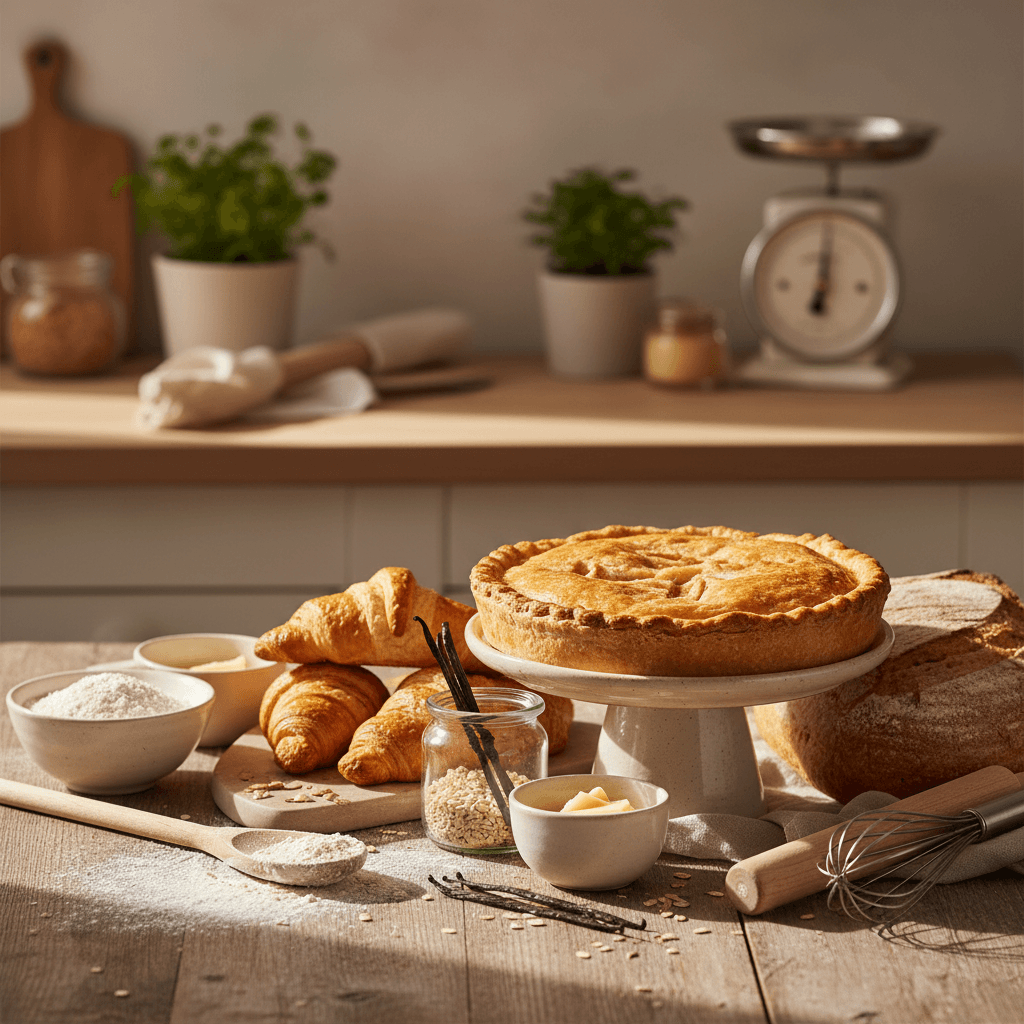
Gluten-free catering from home is one of the most profitable niches in the cottage food industry — and one of the least crowded. This guide covers everything from why the GF catering niche is uniquely lucrative to how to price, plan menus, and land your first catering clients.
Key takeaways
- Gluten-free catering commands premium prices because demand far outpaces supply — most local caterers either can't or won't handle GF safely.
- GF customers are fiercely loyal and spread the word fast once they find a baker they trust, making word-of-mouth your most powerful marketing channel.
- Wedding cakes and event desserts are the highest-margin catering items, with GF wedding cakes often priced 30-50% above standard cakes.
- Cross-contamination protocols are non-negotiable — your credibility depends on being able to guarantee a safe product every single time.
- Starting as a home-based GF caterer has significantly lower overhead than a storefront, and cottage food laws in most states allow it with the right permits.
- Building a focused catering menu of 8-12 items you can execute perfectly beats offering everything under the sun.
Why gluten-free catering is a premium niche with less competition
The gluten-free market is growing at roughly 9-10% annually, driven by rising celiac diagnosis rates, gluten sensitivity awareness, and broader health trends. But here's the part that matters for your business: supply hasn't caught up. In most metro areas, you can count the number of dedicated gluten-free caterers on one hand — and in smaller markets, there might be zero.
That supply-demand gap creates pricing power you simply don't get in conventional baking. GF customers already expect to pay more. They've been buying $8 loaves of bread and $6 boxes of crackers for years. They don't push back on premium pricing the way conventional baking customers sometimes do. They push back on quality — and if you deliver consistently, they become your most loyal advocates.
We've seen this pattern over and over in the home bakery space. A gluten-free baker who does solid work in a mid-size market can build a full client roster almost entirely through referrals. The celiac and GF community is tight-knit. One great experience at a wedding, and the bride's cousin with celiac is calling you the next week. Our guide on how to get customers for a home bakery covers broader strategies, but in the GF niche, word-of-mouth does a disproportionate amount of the heavy lifting.
Legal requirements for catering gluten-free food from home
Before you take your first catering order, you need to understand the legal landscape. Cottage food laws vary significantly by state, and catering often falls into a gray area that's handled differently than selling individual baked goods at a farmers market.
Some states allow home-based caterers under cottage food exemptions, while others require a commercial kitchen or a separate food service license for catering. A few states have specific provisions for "home processor" or "home caterer" permits. Our complete guide to cottage food laws breaks down the state-by-state differences, and our post on home bakery license requirements by state covers the specific permits you'll need.
Key legal considerations for GF catering specifically:
- Allergen labeling: Most states require you to disclose major allergens. For GF products, you need to be precise about whether your kitchen is dedicated gluten-free or shared.
- "Gluten-free" claims: The FDA defines "gluten-free" as containing less than 20 parts per million (ppm) of gluten. If you label something gluten-free, you are making a legal claim and must be able to back it up.
- Liability insurance: For catering — especially for clients with celiac disease — home bakery insurance isn't optional. It's essential. A single cross-contamination incident at a catered event could expose you to serious liability.
- Revenue caps: Many cottage food laws cap annual revenue. Catering orders tend to be larger, so you may hit those caps faster than expected.
If you're just getting started with the business side, our step-by-step guide to starting a gluten-free home bakery walks through the full setup process.
If you already have the gluten-free baking skills but want a clear framework for the business side — pricing, getting consistent orders, building systems — our Confident Gluten-Free Baker Toolkit was built specifically for bakers in this position.
How to build a gluten-free catering menu that sells
The best GF catering menus are focused, not exhaustive. You want 8-12 items you can execute flawlessly at scale, not 40 items you scramble to pull off. Here's how to think about structuring your menu for maximum profitability and minimum stress.
High-margin catering categories to focus on
| Category | Why it works for GF catering | Typical price premium over standard |
|---|---|---|
| Wedding and celebration cakes | Very few GF options locally; emotional purchase with high willingness to pay | 30-50% above standard pricing |
| Dessert tables and bars | Variety impresses guests; batch production keeps costs manageable | 20-40% above standard |
| Brunch catering (muffins, scones, quick breads) | Corporate events, showers, and brunches need GF options constantly | 25-35% above standard |
| Holiday platters and boxes | Seasonal demand spikes create natural urgency and repeat orders | 20-30% above standard |
| Individually packaged items for events | Post-pandemic preference for individual portions; easy to transport | 15-25% above standard |
Wedding cakes deserve special attention. A standard three-tier wedding cake from a home baker might go for $350-500 in many markets. A gluten-free version of the same cake — made by a baker who can genuinely guarantee safety — regularly commands $500-800 or more. The reason is simple: the bride or groom with celiac disease (or their parent, or their best friend) has been told "no" by caterer after caterer. When they find someone who says "yes, and it will be delicious," price becomes secondary.
Menu items that travel well for catering
Catering isn't the same as selling at a farmers market. Your food needs to survive transport, hold up at room temperature, and look good on a table two hours after you set it up. Some GF baked goods handle this beautifully. Others fall apart — literally.
Items that travel and hold well:
- Brownies and blondies (dense, sturdy, crowd-pleasing)
- Cookies — especially drop cookies and shortbread styles
- Pound cakes and bundt cakes
- Muffins and scones
- Cupcakes with stable buttercream
- Savory hand pies and quiches (if your cottage food law allows)
Items that need more care:
- Layer cakes with whipped cream frosting (temperature sensitive)
- Anything with a crisp element that can go soggy (tarts with fresh fruit)
- Cream-filled pastries
If you're dealing with dry, crumbly textures in your GF baking, solve that problem in your recipe development phase — not at the event. Our troubleshooting guides on gummy centers and quick staling address the most common GF texture issues that can tank a catering order.
How to price gluten-free catering orders for profit
Pricing is where most home bakers leave money on the table — and in catering, the stakes are higher because you're committing to larger volumes. The formula is straightforward but requires discipline.
For catering, we recommend a minimum 3.5x markup on ingredient cost, plus a flat labor charge based on your hourly rate, plus a delivery and setup fee. Many GF caterers successfully charge 4-5x ingredient cost because the niche premium supports it.
Here's a real example:
| Item | Ingredient cost (per unit) | Catering price (per unit) | Markup |
|---|---|---|---|
| GF brownie (individually wrapped) | $0.85 | $3.50-4.00 | 4.1-4.7x |
| GF cupcake with buttercream | $1.10 | $4.50-5.50 | 4.1-5.0x |
| GF scone | $0.75 | $3.00-3.75 | 4.0-5.0x |
| GF 3-tier wedding cake (serves 75) | $65-85 | $550-800 | 6.5-12x |
Notice that wedding cakes have the highest markup. That's because the labor, skill, and risk involved are significant — and because the market bears it. Our detailed pricing guide for home bakeries covers the full methodology, and our post on the most profitable gluten-free items to sell helps you identify which products give you the best margins.
Always charge a delivery fee for catering. This covers your time, gas, and the risk of transporting delicate items. A flat $25-75 depending on distance is standard. For weddings and large events, build setup time into your quote as a separate line item.
Cross-contamination protocols that protect your clients and your reputation
This is the section that separates a legitimate gluten-free caterer from someone who just happens to skip the flour. If you're catering for people with celiac disease, cross-contamination isn't an inconvenience — it's a health crisis. Your protocols need to be airtight, and you need to be able to explain them clearly to clients.
Non-negotiable practices for GF catering:
- Dedicated equipment: Separate mixing bowls, baking pans, cutting boards, and utensils that never touch gluten. Wooden and silicone items are especially porous and should be GF-only.
- Ingredient sourcing: Use only certified gluten-free flours and ingredients. "Naturally gluten-free" isn't enough — oats, for example, are frequently cross-contaminated unless certified. Our guides on brown rice flour and almond flour cover sourcing considerations.
- Kitchen timing: If your kitchen isn't 100% dedicated GF, bake gluten-free items first, before any gluten-containing ingredients come out. Clean all surfaces thoroughly between sessions.
- Packaging and labeling: Every catered item should be clearly labeled "Gluten-Free" with a full ingredient list. For events, provide ingredient cards at the table.
- Communication: Ask clients about the severity of their sensitivity and any additional allergies. Document everything in writing.
Being transparent about your process builds enormous trust. Many GF caterers include a one-page "safety protocol" document in their client packets. It shows professionalism and gives celiac clients the confidence to hire you — and recommend you.
Seasonal catering opportunities that drive repeat business
One of the best things about GF catering is the built-in seasonal demand cycle. Celiac and GF families dread holidays because so much traditional food is off-limits. If you can solve that problem, you'll have clients coming back every year.
Key seasonal opportunities:
- Thanksgiving: This is massive. GF pies, dinner rolls, and stuffing are in huge demand. We have full guides on GF Thanksgiving pies and GF dinner rolls that can help you develop your holiday catering menu.
- Winter holidays: Cookie boxes, dessert platters for parties, and gift packages.
- Valentine's Day: Dessert boxes for couples, especially chocolate-focused items.
- Easter and spring: Brunch catering, celebration cakes.
- Wedding season (May-October): Your highest-revenue months if you pursue wedding cakes and dessert tables.
- Summer events: BBQ desserts, graduation parties, reunion catering.
- Back-to-school: Batch orders for school-safe snacks (nut-free and GF combinations are especially in demand).
The key is to start marketing each seasonal offering 6-8 weeks in advance. Build a simple order form, set a deadline for orders, and promote through your existing client list first. Repeat clients are the backbone of a profitable catering business.
How to land your first gluten-free catering clients
Your first few catering clients almost certainly won't come from Instagram or a website. They'll come from the GF community itself. Here's where to focus:
- Local celiac support groups: Most metro areas have them, either through hospitals or community organizations. Introduce yourself, offer samples, and leave business cards.
- Wedding planners and event coordinators: These people get asked "do you know anyone who does gluten-free?" constantly. A simple introductory email with your menu and a few photos can get you on their referral list.
- Health food stores and GF-friendly restaurants: Ask if you can leave business cards or a small flyer. Many are happy to support local GF businesses.
- Existing baking customers: If you're already selling GF baked goods — at markets, online, or through custom orders — catering is a natural upsell. Ask your current customers if they know anyone planning an event.
- Sample events: Offer to provide the dessert for a local charity event or community gathering at cost. One great tasting experience in front of 50-100 people can generate multiple leads.
Our comprehensive post on getting customers for a home bakery goes deeper on marketing strategies, but for GF catering specifically, relationship-based marketing outperforms everything else.
Scaling from occasional catering to consistent income
The progression for most successful GF home caterers looks like this:
- Months 1-3: Take 1-2 small catering orders (birthday parties, small gatherings) to refine your process and pricing.
- Months 3-6: Build a portfolio with photos and testimonials. Start reaching out to wedding planners and event venues.
- Months 6-12: Establish a seasonal calendar with recurring holiday offerings. Aim for 2-4 catering orders per month.
- Year 2+: Raise prices based on demand. Consider adding a wedding cake specialty. Explore whether your state allows you to scale beyond cottage food limits.
The most common bottleneck isn't demand — it's production capacity. A single home oven can only produce so much. Our post on scaling a home bakery business covers practical strategies for increasing output without moving to a commercial space.
Frequently asked questions
Can you cater gluten-free food from a home kitchen?
Yes, in most states you can cater gluten-free food from home under cottage food laws or home processor permits, though the specific requirements vary. Some states require a separate food handler's certificate or kitchen inspection for catering. Check our cottage food laws guide for your state's specific rules. Always verify whether catering falls under the same exemption as individual baked goods sales, because in some states it doesn't.
How much should you charge for gluten-free catering?
Gluten-free catering typically commands a 20-50% premium over standard catering prices, depending on the item and market. A good starting point is 3.5-5x your ingredient cost, plus labor and delivery fees. Wedding cakes and specialty celebration items can command even higher markups because so few bakers offer them reliably.
Do you need a dedicated gluten-free kitchen to cater for celiac clients?
A fully dedicated GF kitchen is ideal but not always required by law. What is required — both legally and ethically — is rigorous cross-contamination prevention. This means dedicated GF equipment, careful ingredient sourcing with certified gluten-free products, and thorough cleaning protocols. Be transparent with clients about your kitchen setup so they can make informed decisions.
What are the most profitable gluten-free items to cater?
Wedding and celebration cakes are the highest-margin GF catering items, often commanding 6-12x ingredient cost. Dessert tables, cupcake towers, and holiday platters are also highly profitable. Individually packaged items like brownies and cookies have lower per-unit margins but are easy to scale. See our full breakdown of the most profitable GF items to sell for detailed numbers.
How do you find gluten-free catering clients?
The GF community is tight-knit, so word-of-mouth referrals are your most powerful channel. Start by connecting with local celiac support groups, introducing yourself to wedding planners, and offering samples at community events. Your existing baking customers are also a great source of catering leads — many already know people planning events who need GF options.
Ready to turn your gluten-free baking skills into a real business?
You already know how to bake gluten-free. The missing piece is turning that into consistent orders and real income. Our free Home Bakery Pro masterclass shows you exactly how to do that — without relying on social media or guessing at what works.

Written by
Co-founder, BakingSubs
Co-founder of BakingSubs, where he turns the science of ingredient substitutions into tested, reliable guidance for home bakers.
Related Posts
Bake with Confidence
See all
Confident Gluten-Free Baker Toolkit
The science-based system that replaces gluten's seven invisible jobs so your baking turns out soft, fluffy, and foolproof — every time.

Gluten-Free Recipe Vault
Instant access to our complete library of proven gluten-free recipes — no waiting, no guesswork, just results that work tonight.

Fix Your Gluten-Free Bread
Learn the 3-step formula to make bread rise and stay soft, discover why your loaves collapse, and get a tested sandwich bread recipe that actually works.