

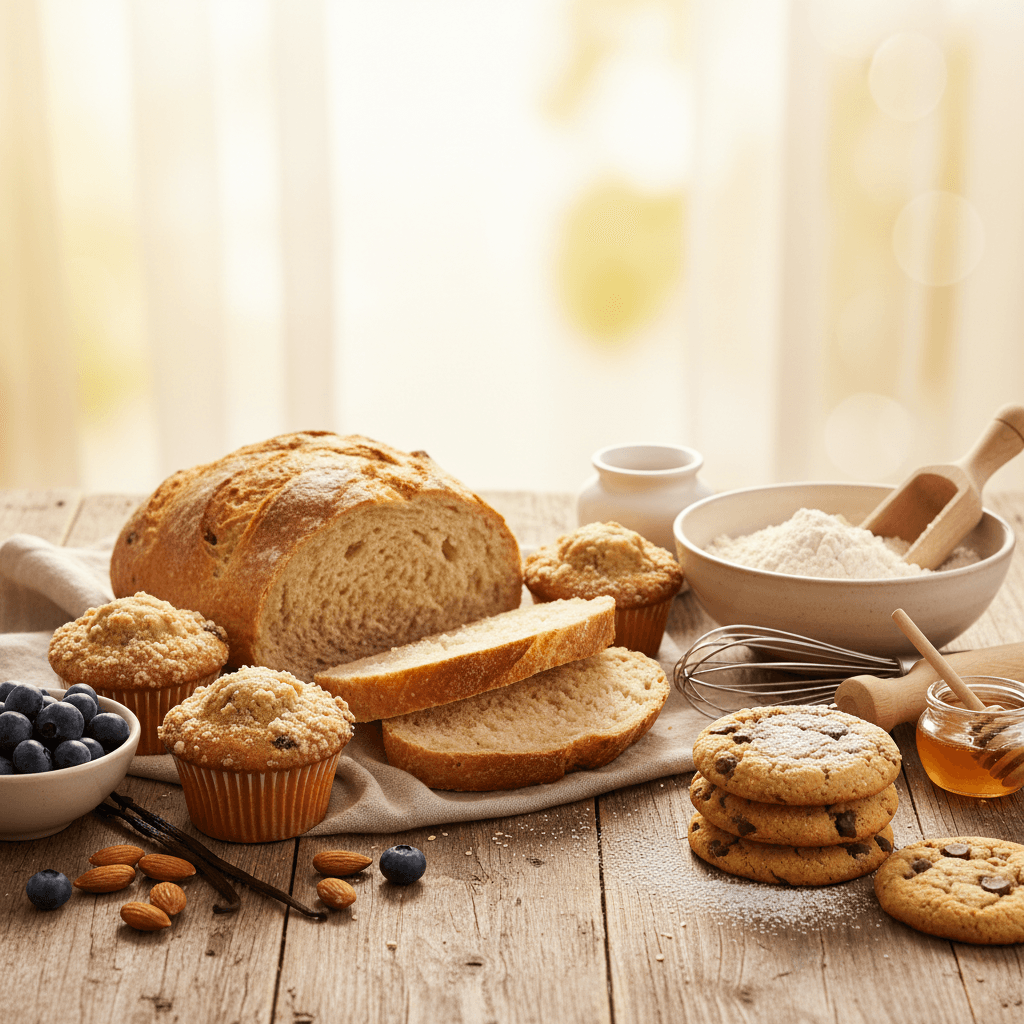
Marketing a gluten-free home bakery is fundamentally different from marketing a regular bakery — and that difference is your biggest advantage. Here's how to reach the customers who are actively searching for exactly what you bake, build fierce loyalty, and grow a business that doesn't depend on chasing social media algorithms.
Key takeaways
- The gluten-free niche has built-in marketing advantages: less local competition, higher price tolerance, and customers who spread the word fast once they find a reliable baker.
- Your most effective marketing channels are community-based — celiac support groups, GF-specific Facebook groups, and partnerships with local nutritionists and health food stores.
- Gluten-free customers don't push back on higher prices the way general bakery customers do, because they already know specialty ingredients cost more.
- Word of mouth is your most powerful tool, but you have to actively trigger it by making sharing easy and rewarding.
- You don't need a huge social media following — targeted, local outreach to the right 50 people will outperform 5,000 random followers every time.
- Seasonal marketing tied to holidays and events creates predictable revenue spikes you can plan around.
Why marketing a gluten-free bakery is easier than you think
Most home bakers think they're at a disadvantage because gluten-free is a "niche." The opposite is true. Niche is exactly what makes marketing work. When you bake for everyone, you compete with every grocery store, every bakery, and every other home baker in your area. When you bake gluten-free, you're often the only option within miles — and your customers know it.
Here's what the gluten-free niche gives you that general bakers don't have:
- Less local competition. Count how many home bakers in your area advertise as dedicated gluten-free. It's probably zero or one.
- Higher price tolerance. Gluten-free customers already pay $7-9 for a loaf of mediocre grocery store bread. They expect specialty products to cost more and they don't push back.
- Fiercely loyal customer base. When someone with celiac disease finds a baker they trust, they tell everyone in their support network. One happy customer can bring you ten more.
- A growing market. Celiac diagnosis rates continue to climb, and the broader gluten-free market is driven by health trends that show no sign of slowing down.
If you haven't already mapped out the business side of your bakery, our complete guide to starting a gluten-free home bakery covers everything from licensing to kitchen setup. And if you're still working on your recipes and running into texture issues, our gluten-free troubleshooting guides will save you a lot of frustration.
Build your foundation before you start promoting
Before you spend a single minute on marketing, make sure these three things are in place. Skipping them is the most common reason home bakers struggle to get traction.
Define your specialty clearly
"I bake gluten-free" is not specific enough. Customers remember the baker who makes incredible gluten-free sourdough, or the one known for decorated celebration cakes, or the person with the best cinnamon rolls in the county. Pick 3-5 signature items and lead with those. You can always expand later, but a focused menu is easier to market and easier to produce consistently. Our guide on how to create a home bakery menu that actually sells walks through this in detail.
Get your pricing right first
Nothing kills marketing momentum faster than underpricing. If you attract 20 new customers but you're losing money on every order, you'll burn out in weeks. Gluten-free ingredients genuinely cost more — almond flour, cassava flour, and specialty starches like arrowroot add up fast. Don't apologize for that. Instead, communicate the value: dedicated gluten-free kitchen, premium ingredients, made fresh to order. Our complete pricing guide with real numbers will help you set prices that actually sustain a business.
Nail your cross-contamination story
For celiac customers, trust is everything. Before you market to this community, you need to be able to clearly explain your cross-contamination prevention practices. Do you bake in a dedicated gluten-free kitchen? Do you use shared equipment? What certifications or testing do you do? Have this answer ready — it will come up in every conversation, and a confident, specific answer is the single best marketing tool you have.
If you're ready to go beyond recipes and build the business systems that turn great baking into consistent income, check out our free Home Bakery Pro masterclass. It covers exactly how to get consistent orders and build a sustainable home bakery — without relying on social media.
How to find gluten-free customers in your local area
The fastest path to your first customers is going directly to where gluten-free people already gather. Forget broad marketing — targeted outreach to the right 50 people will fill your order book faster than 5,000 Instagram followers.
Connect with celiac support groups
Nearly every metro area has a local celiac support group, and many hold monthly meetings. These groups are goldmines. Offer to bring samples to a meeting (always be transparent about your ingredients and kitchen setup). One tasting session in front of 20-30 people who are desperate for good gluten-free baked goods can generate months of orders. Search for groups through the Celiac Disease Foundation, Beyond Celiac, or your local hospital system.
Join gluten-free Facebook groups
Search Facebook for groups like "Gluten-Free [Your City]" or "Celiac [Your State]." These groups are incredibly active, and members regularly ask for recommendations. Don't spam — participate genuinely, answer questions about gluten-free baking, and mention your bakery when it's relevant. Many groups have specific days or threads for local business promotion.
Partner with local nutritionists and dietitians
Registered dietitians who specialize in celiac disease or food sensitivities are constantly asked by their patients where to find safe gluten-free food. Introduce yourself, bring samples, and leave business cards. A single referral relationship with a busy dietitian can provide a steady stream of customers who already trust you before they ever place an order.
Use health food store bulletin boards
This is old school and it works. Stores like Whole Foods, local co-ops, and independent health food stores often have community bulletin boards. A well-designed flyer that says "Dedicated Gluten-Free Home Bakery — Fresh Bread, Cakes, and Cookies Made to Order" will get noticed by exactly the right people. Ask the store manager if you can leave a small stack of business cards at the checkout counter too.
Connect with local GF-friendly restaurants
Restaurants that offer gluten-free menus often struggle with baked goods — bread baskets, desserts, burger buns. Approach them about wholesale or partnership arrangements. Even if they can't buy from a home baker due to local regulations, they may be willing to recommend you to customers who ask about gluten-free options.
Word of mouth marketing strategies that actually work
Word of mouth is the engine that drives most successful home bakeries, and in the gluten-free world it's supercharged. People with celiac disease and gluten sensitivities share recommendations constantly because finding safe food is a daily challenge. Your job is to make sharing as easy and natural as possible.
Include a "share with a friend" card in every order
Print simple cards that say something like: "Know someone who misses real bread? Share this card and they'll get 10% off their first order." Include your contact info and ordering details. This costs almost nothing and converts at a surprisingly high rate because gluten-free customers genuinely want to help others in their community find safe food.
Ask for reviews at the right moment
The best time to ask for a review is right after a customer messages you to say how much they loved something. That's when enthusiasm is highest. Have a ready-to-send link to your Google Business listing or Facebook page. Five to ten genuine reviews from happy gluten-free customers will do more for your business than any ad campaign.
Create a "first bite" moment worth talking about
Many gluten-free customers have been disappointed so many times that they've lowered their expectations. When your chocolate cake or sourdough bread tastes like the real thing — or better — that surprise creates an emotional reaction people can't help but share. This is where your baking skills become your best marketing. If you're still perfecting texture, our guides on fixing dry, crumbly results and solving gummy centers can help you nail it.
How to market a gluten-free bakery at farmers markets
Farmers markets are one of the best marketing channels for a gluten-free home bakery — not just for direct sales, but for building a customer list that orders from you all year long.
Make your gluten-free status impossible to miss
Your signage should prominently say "100% Gluten-Free" or "Dedicated Gluten-Free Bakery." Many gluten-free customers walk right past bakery booths assuming nothing is safe for them. A clear, bold sign stops them in their tracks. Consider adding "Safe for Celiac" if your kitchen practices support that claim.
Offer samples strategically
Samples are your highest-ROI marketing investment at a market. Cut items into small pieces and have ingredient lists printed and visible. When someone tastes your muffin and says "Wait, this is really gluten-free?" — that's the moment you hand them a business card and mention that you take custom orders. If you need guidance on which items to bring, our post on the best baked goods to sell at farmers markets breaks down what actually moves.
Collect emails and phone numbers at every market
Have a simple sign-up sheet or tablet where people can join your text or email list. Offer a small incentive — a free cookie next week, or first access to holiday pre-orders. Your farmers market booth is temporary, but your customer list is permanent. This is how you transition from seasonal market sales to year-round custom orders.
Seasonal and holiday marketing for gluten-free home bakers
Holidays are when gluten-free customers feel most left out — and when they're most willing to spend money on specialty baked goods. Planning your marketing calendar around these moments creates predictable revenue spikes.
| Season/Holiday | What to promote | When to start marketing |
|---|---|---|
| Thanksgiving | Pies, dinner rolls, stuffing mixes | Early November |
| Christmas/Hanukkah | Cookie boxes, gift tins, specialty breads | Mid-November |
| Valentine's Day | Decorated cookies, cupcakes, cake truffles | Late January |
| Easter | Hot cross buns, decorated cakes, cookie sets | 3 weeks before |
| Back to school | Lunch box treats, snack packs | Mid-August |
| Super Bowl | Snack platters, brownies, savory items | 2 weeks before |
For each holiday, create a simple pre-order form (Google Forms works fine) and share it with your email list, local Facebook groups, and support group contacts at least 2-3 weeks in advance. Gluten-free customers plan ahead because they have to — give them the option to do so.
Online marketing that works without a huge following
You don't need to become a social media influencer to market a home bakery. Here are the online strategies that actually drive orders for gluten-free home bakers.
Google Business Profile is non-negotiable
Set up a free Google Business Profile and categorize yourself as a bakery. Include "gluten-free" prominently in your description. When someone in your area searches "gluten-free bakery near me" or "gluten-free cakes [your city]," you want to show up. Post photos of your products regularly — Google rewards active profiles with better visibility.
A simple website or ordering page
You don't need a fancy website. A single page with your menu, prices, ordering process, and a clear statement about your dedicated gluten-free kitchen is enough. Include your cross-contamination practices and a few customer testimonials. Make it easy to place an order — a phone number, email, or simple form.
Facebook and Instagram as tools, not obligations
Social media works best for home bakers when you treat it as a tool for reaching local customers, not as a content creation job. Post when you have something worth sharing — a beautiful cake, a new menu item, a holiday pre-order announcement. Join local community groups and neighborhood groups where people ask for food recommendations. You don't need to post daily or create reels. Consistency matters more than frequency.
Email and text marketing for repeat orders
A simple email or text message to your existing customer list before each holiday or season change will generate more orders than a week of social media posts. Keep it short: what you're offering, when the deadline is, how to order. Tools like Mailchimp (free for small lists) or even a group text make this easy.
How to communicate your value and justify higher prices
One of the biggest marketing mistakes gluten-free home bakers make is apologizing for their prices. Stop doing that. Your prices reflect real costs and real value, and your customers understand this better than you think.
Here's how to frame your pricing in your marketing:
- Lead with quality, not cost. "Made with premium almond flour and real butter in a dedicated gluten-free kitchen" tells customers why your product is worth more.
- Be transparent about ingredients. Many gluten-free customers are ingredient-savvy. Listing your key ingredients builds trust and justifies the price.
- Compare to retail, not to conventional baking. A $6 gluten-free muffin sounds expensive until you realize the grocery store charges $8 for a pack of four mediocre ones.
- Emphasize safety and dedication. A dedicated gluten-free kitchen is a premium service. Customers with celiac disease will pay more for the peace of mind.
If you want to dig deeper into the numbers behind profitable gluten-free pricing, our post on the most profitable gluten-free items to sell breaks down real margins by product type.
How to build a referral network that grows your bakery
Beyond individual customer word of mouth, building a referral network with other professionals creates a steady pipeline of new customers without ongoing marketing effort.
Who to build referral relationships with
- Dietitians and nutritionists who work with celiac and food sensitivity patients
- Allergists whose patients need dietary changes
- Wedding planners who get requests for gluten-free options (this is a premium pricing opportunity — few bakers offer reliable gluten-free wedding cakes)
- Event planners and caterers who need gluten-free dessert options
- Other home bakers who don't offer gluten-free and want someone to refer customers to
- Health food store owners who can display your cards or carry your products
How to approach potential referral partners
Keep it simple and generous. Bring samples, introduce yourself, explain what you offer, and ask if they'd be open to referring clients who need gluten-free baked goods. Offer to do the same in return — refer your customers to their services when relevant. A mutual referral relationship is more sustainable than a one-sided ask.
Frequently asked questions
How do I find gluten-free customers in my area?
Start with local celiac support groups, gluten-free Facebook groups for your city or region, and partnerships with dietitians who specialize in celiac disease. Health food stores with community bulletin boards are also effective. These channels put you directly in front of people who are actively looking for safe gluten-free food. Our guide on how to get customers for a home bakery has 15 more strategies.
Do I need social media to market a home bakery?
No, social media is helpful but not required. Many successful gluten-free home bakers build their customer base primarily through word of mouth, local community connections, and a Google Business Profile. A simple website or ordering page combined with an email list is often more effective than chasing followers.
How much should I charge for gluten-free baked goods?
Gluten-free baked goods should be priced higher than conventional equivalents to reflect the cost of specialty ingredients and the value of a dedicated gluten-free kitchen. Most gluten-free customers expect and accept higher prices. Our pricing guide for home bakers includes real formulas and example calculations.
What is the best way to market gluten-free baked goods at a farmers market?
Make your gluten-free status impossible to miss with clear signage, offer samples with printed ingredient lists, and collect email addresses or phone numbers from every interested person. The goal is not just to sell at the market — it's to build a customer list for year-round custom orders.
How do I get word of mouth referrals for my gluten-free bakery?
Include a "share with a friend" card in every order, ask happy customers for Google reviews at the moment they express enthusiasm, and build referral relationships with local dietitians, allergists, and wedding planners. The gluten-free community shares recommendations more actively than almost any other food community because finding safe options is a constant challenge.
Ready to turn your gluten-free baking into a real business?
You already know how to bake gluten-free. The missing piece is turning that into consistent orders and real income. Our free masterclass shows you exactly how — without relying on social media.

Written by
Co-founder, BakingSubs
Co-founder of BakingSubs, where he turns the science of ingredient substitutions into tested, reliable guidance for home bakers.
Related Posts
Bake with Confidence
See all
Confident Gluten-Free Baker Toolkit
The science-based system that replaces gluten's seven invisible jobs so your baking turns out soft, fluffy, and foolproof — every time.

Gluten-Free Recipe Vault
Instant access to our complete library of proven gluten-free recipes — no waiting, no guesswork, just results that work tonight.

Fix Your Gluten-Free Bread
Learn the 3-step formula to make bread rise and stay soft, discover why your loaves collapse, and get a tested sandwich bread recipe that actually works.