

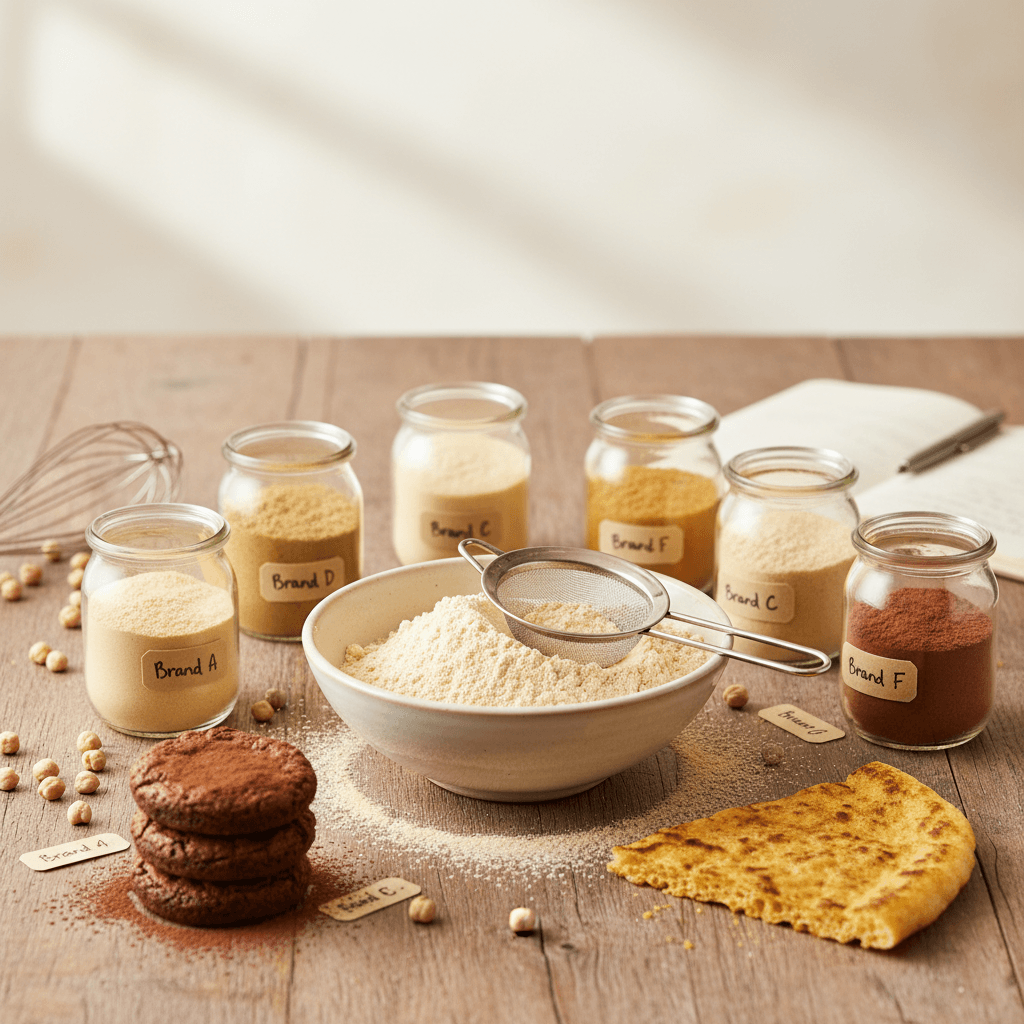
Chickpea flour is one of the most versatile flours in gluten-free baking, but the brand you choose makes a huge difference in how your baked goods turn out. We compared six popular chickpea flour brands across protein content, grind fineness, taste, and price to help you pick the right one.
Key takeaways
- Chickpea flour (also called besan or gram flour) is naturally gluten-free, high in protein (typically 18-22g per cup), and adds structure and binding to baked goods.
- Grind fineness varies dramatically between brands — finer grinds work better in cakes and pancakes, while coarser grinds suit flatbreads and fritters.
- Some brands have a strong, beany taste that works in savory recipes but can overpower sweet baking. Toasting the flour before use helps reduce this.
- Bob's Red Mill and Anthony's are the most widely available and affordable options, while Besa and Sunnyland Mills offer superior fineness for delicate baking.
- Chickpea flour works best blended with other flours — it's rarely used as a 100% replacement for all-purpose flour on its own.
- Price ranges from roughly $0.20 to $0.50 per ounce depending on brand and quantity.
Why chickpea flour is so useful in gluten-free baking
Chickpea flour brings something most gluten-free flours lack: protein and binding power. With roughly 20-22 grams of protein per cup, it helps create structure in baked goods that would otherwise fall apart without gluten. It also adds moisture retention and a subtle richness that starches alone can't provide.
If you're building your own homemade gluten-free flour blend, chickpea flour is an excellent base flour to include. It pairs well with brown rice flour and starches like arrowroot powder or tapioca starch. The high protein content helps compensate for the structural jobs that gluten normally handles.
Chickpea flour is naturally dense, so it works best in recipes where you want substance — think flatbreads, socca, savory muffins, fritters, and quick breads. In sweet baking, it shines in brownies, blondies, and cookies where its nutty flavor complements chocolate or warm spices.
If you're still getting comfortable with gluten-free flour swaps and want a structured approach to understanding how different flours work together, the Confident Gluten-Free Baker Toolkit walks you through exactly that — including how to build blends and troubleshoot common texture issues.
What to look for when buying chickpea flour
Not all chickpea flour is created equal. Here are the key factors that separate a great brand from a disappointing one:
Grind fineness
This is the single biggest difference between brands. A fine, powdery grind produces smoother batters and more delicate textures. A coarser grind can leave your baked goods feeling gritty — one of the most common complaints in gluten-free baking. If you're making cakes, pancakes, or anything with a delicate crumb, grind fineness matters more than almost anything else.
Taste and aroma
Chickpea flour has a naturally earthy, beany flavor. Some brands are milder than others. If you're baking sweet recipes, look for brands with a more neutral taste, or plan to toast the flour in a dry skillet for 5-7 minutes before using it. Toasting mellows the bean flavor significantly and adds a pleasant nuttiness.
Protein content
Most chickpea flours land between 18-22 grams of protein per cup, but the exact amount varies by brand and the type of chickpea used (desi vs. kabuli). Higher protein generally means better structure and binding in your baked goods.
Certified gluten-free status
This is non-negotiable if you have celiac disease. Some chickpea flours are milled in facilities that also process wheat. Always check for a certified gluten-free label if cross-contamination is a concern.
6 best chickpea flour brands for baking compared
We compared these six brands on protein, grind, flavor, gluten-free certification, and price. Here's the full comparison at a glance:
| Brand | Protein (per 1/4 cup) | Grind | Taste | Certified GF | Approx. price/oz | Best for |
|---|---|---|---|---|---|---|
| Bob's Red Mill | 5g | Medium | Moderate bean flavor | Yes | $0.22 | All-purpose GF baking |
| Anthony's | 5g | Medium-fine | Mild | Tested GF (batch) | $0.19 | Budget-friendly bulk baking |
| Besa (Besa Chickpea Flour) | 6g | Very fine | Very mild | Yes | $0.45 | Delicate cakes, pastries |
| Sunnyland Mills | 5g | Fine | Mild-moderate | No (dedicated facility) | $0.25 | Flatbreads, pizza crusts |
| Naturevibe Botanicals | 5g | Medium | Moderate bean flavor | No | $0.21 | Savory baking, fritters |
| Palouse Brand | 5g | Medium-fine | Mild-moderate | No (dedicated legume facility) | $0.28 | General purpose, small-batch |
Bob's Red Mill chickpea flour
Bob's Red Mill Garbanzo Bean Flour is the most widely available chickpea flour in the US, and for good reason. It's certified gluten-free, consistent from bag to bag, and available at most grocery stores. The grind is medium — not the finest on the market, but perfectly adequate for quick breads, muffins, socca, and cookie recipes. The bean flavor is moderate, so we recommend toasting it for sweet applications. At around $0.22 per ounce, it's a solid mid-range option that most bakers will be happy with.
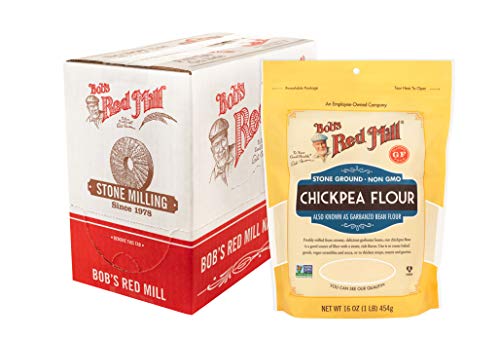
Best for: Everyday gluten-free baking, especially if you need certified GF and easy availability.
Anthony's chickpea flour
Anthony's Premium Chickpea Flour is the budget king. Sold in 2-pound and 4-pound bags, it's one of the most affordable options per ounce. The grind is slightly finer than Bob's Red Mill, and the flavor is milder out of the bag. Anthony's does batch testing for gluten but doesn't carry a certified GF label, so use your judgment if you have celiac disease. For the price, the quality is excellent — this is the pick when you're baking in larger quantities.
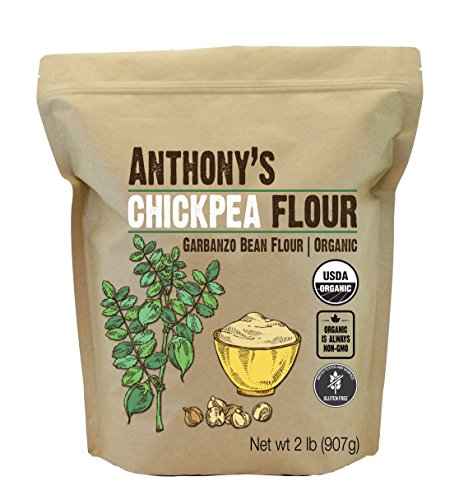
Anthony's Organic Chickpea Flour, Garbanzo Bean Flour, 2 lb, Gluten Free, Non GMO
Check price on Amazon →Best for: Budget-conscious bakers and anyone doing high-volume baking.
Besa chickpea flour
Besa Chickpea Flour is the premium pick on this list. The grind is noticeably finer than the other brands on this list — almost silky. This makes a real difference in delicate baked goods like cakes, crepes, and pancakes where a smooth batter matters. The flavor is remarkably mild for chickpea flour, almost neutral. It's certified gluten-free and comes in a resealable bag. The downside is price: at roughly $0.45 per ounce, it's more than double the cost of Anthony's. But if texture quality is your priority, Besa is worth every penny.
Best for: Sweet baking, cakes, crepes, and any recipe where a silky-smooth texture matters.
Sunnyland Mills chickpea flour
Sunnyland Mills Garbanzo Bean Flour is a favorite among serious home bakers and small bakeries. Milled in California, it has a fine grind that's noticeably smoother than Bob's Red Mill. The flavor falls in the mild-to-moderate range. Sunnyland Mills isn't certified gluten-free, but they process in a dedicated legume facility with no wheat on site. Available in larger bags (up to 25 lbs), it's a great choice if you bake frequently or run a gluten-free home bakery.
Best for: Flatbreads, pizza crusts, socca, and high-volume home baking.
Naturevibe Botanicals chickpea flour
Naturevibe Botanicals Chickpea Flour is a solid mid-range option with a medium grind and moderate bean flavor. It's USDA organic, which is a plus if organic sourcing matters to you. The grind is comparable to Bob's Red Mill — not the finest, but workable for most recipes. It's not certified gluten-free, so it's better suited for bakers who are gluten-free by choice rather than medical necessity. The flavor is on the stronger side, making it a better fit for savory applications like fritters, flatbreads, and savory pancakes.
Best for: Savory baking, organic-focused bakers, fritters and flatbreads.
Palouse Brand chickpea flour
Palouse Brand Chickpea Flour is a smaller operation based in the Pacific Northwest. Their flour is stone-ground from USA-grown chickpeas, and the quality is consistently good. The grind is medium-fine — better than Bob's Red Mill but not quite as silky as Besa. The flavor is mild-to-moderate with a pleasant nuttiness. They process in a dedicated legume facility. Palouse is a great option if you want to support a smaller, US-based producer and don't mind paying a slight premium over the big brands.
Best for: General-purpose baking, supporting small US producers.
Which chickpea flour brand should you choose?
It depends on what you're baking and what matters most to you. Here's a quick decision guide:
- Best overall for most bakers: Bob's Red Mill — certified GF, consistent, widely available.
- Best on a budget: Anthony's — hard to beat on price, especially in bulk.
- Best for delicate sweet baking: Besa — the ultra-fine grind is in a class of its own.
- Best for high-volume or home bakery use: Sunnyland Mills — great quality in large bags at a reasonable price.
- Best for savory recipes: Naturevibe Botanicals — the stronger flavor works in your favor here.
- Best for supporting small producers: Palouse Brand — quality flour from a family operation.
Tips for baking with chickpea flour
Regardless of which brand you choose, these tips will help you get better results:
Don't use it alone. Chickpea flour works best as part of a blend. Use it at about 25-40% of a total flour blend, combined with a starch and another grain flour. Check out our guide to converting recipes to gluten-free for specific ratios.
Toast it for sweet recipes. Spread the flour on a sheet pan and bake at 350F for 5-7 minutes, or toast it in a dry skillet over medium heat, stirring constantly. This dramatically reduces the beany flavor and makes it much more pleasant in cookies, cakes, and brownies.
Weigh your flour. Chickpea flour packs down easily, so measuring by volume is unreliable. A kitchen scale is essential. If you need a recommendation, check our best food scales for baking roundup.
Let batters rest. Chickpea flour absorbs liquid slowly. Letting your batter rest for 15-30 minutes before baking allows the flour to fully hydrate, which improves texture and reduces grittiness.
Watch for strange aftertaste. If your baked goods have an unpleasant aftertaste, you may be using too much chickpea flour in your blend, or the brand you're using has a stronger flavor profile. Try reducing the chickpea flour percentage and increasing your starch ratio.
Best recipes to try with chickpea flour
If you're new to baking with chickpea flour, start with recipes where it naturally shines:
- Socca (farinata): A classic chickpea flour flatbread from Nice, France. Uses 100% chickpea flour and is naturally gluten-free.
- Savory muffins and quick breads: Chickpea flour adds protein and a satisfying density.
- Brownies and blondies: The nutty flavor complements chocolate and brown sugar beautifully.
- Pancakes and crepes: Use a finer-grind brand like Besa for the smoothest results.
- Flatbreads and pizza crusts: Chickpea flour creates a crispy, sturdy base.
- Cookies: Especially those with warm spices, chocolate chips, or nut butters.
For beginners who are still figuring out which flours to stock and how to use them, our complete guide to gluten-free baking for beginners covers everything from pantry setup to your first successful bake.
Frequently asked questions
Is chickpea flour the same as gram flour or besan?
Yes, they are the same product with different names depending on the region. Chickpea flour, gram flour, besan, and garbanzo bean flour all refer to flour ground from dried chickpeas. The main difference you'll find between brands is whether they use desi (smaller, darker) or kabuli (larger, lighter) chickpeas, which can slightly affect flavor and color.
Can you substitute chickpea flour 1:1 for all-purpose flour?
Not in most recipes. Chickpea flour is denser, higher in protein, and absorbs liquid differently than all-purpose flour. It works best as part of a blend — typically 25-40% chickpea flour combined with starches and other gluten-free flours. Using it at 100% will give you a very dense, bean-flavored result in most baked goods.
Does chickpea flour taste like beans in baked goods?
It can, especially if you use a lot of it or choose a brand with a stronger flavor profile. Toasting the flour before baking reduces the beany taste significantly. Pairing it with strong flavors like chocolate, cinnamon, or brown sugar also helps mask any residual bean flavor. Brands like Besa have the mildest taste if this is a concern.
Is all chickpea flour gluten-free?
Chickpeas are naturally gluten-free, but cross-contamination during milling is a real risk. If you have celiac disease, choose a brand that is certified gluten-free, like Bob's Red Mill or Besa. Brands that mill in shared facilities with wheat may contain trace amounts of gluten.
How should you store chickpea flour?
Store chickpea flour in an airtight container in a cool, dry place. It will keep for 6-8 months in the pantry. For longer storage (up to a year), keep it in the refrigerator or freezer. Because of its higher fat content compared to rice flour or starches, chickpea flour can go rancid faster, so give it a sniff before using if it's been sitting for a while.

Written by
Co-founder, BakingSubs
Co-founder of BakingSubs, where he turns the science of ingredient substitutions into tested, reliable guidance for home bakers.
Related Posts
Bake with Confidence
See all
Confident Gluten-Free Baker Toolkit
The science-based system that replaces gluten's seven invisible jobs so your baking turns out soft, fluffy, and foolproof — every time.

Gluten-Free Recipe Vault
Instant access to our complete library of proven gluten-free recipes — no waiting, no guesswork, just results that work tonight.

Fix Your Gluten-Free Bread
Learn the 3-step formula to make bread rise and stay soft, discover why your loaves collapse, and get a tested sandwich bread recipe that actually works.