

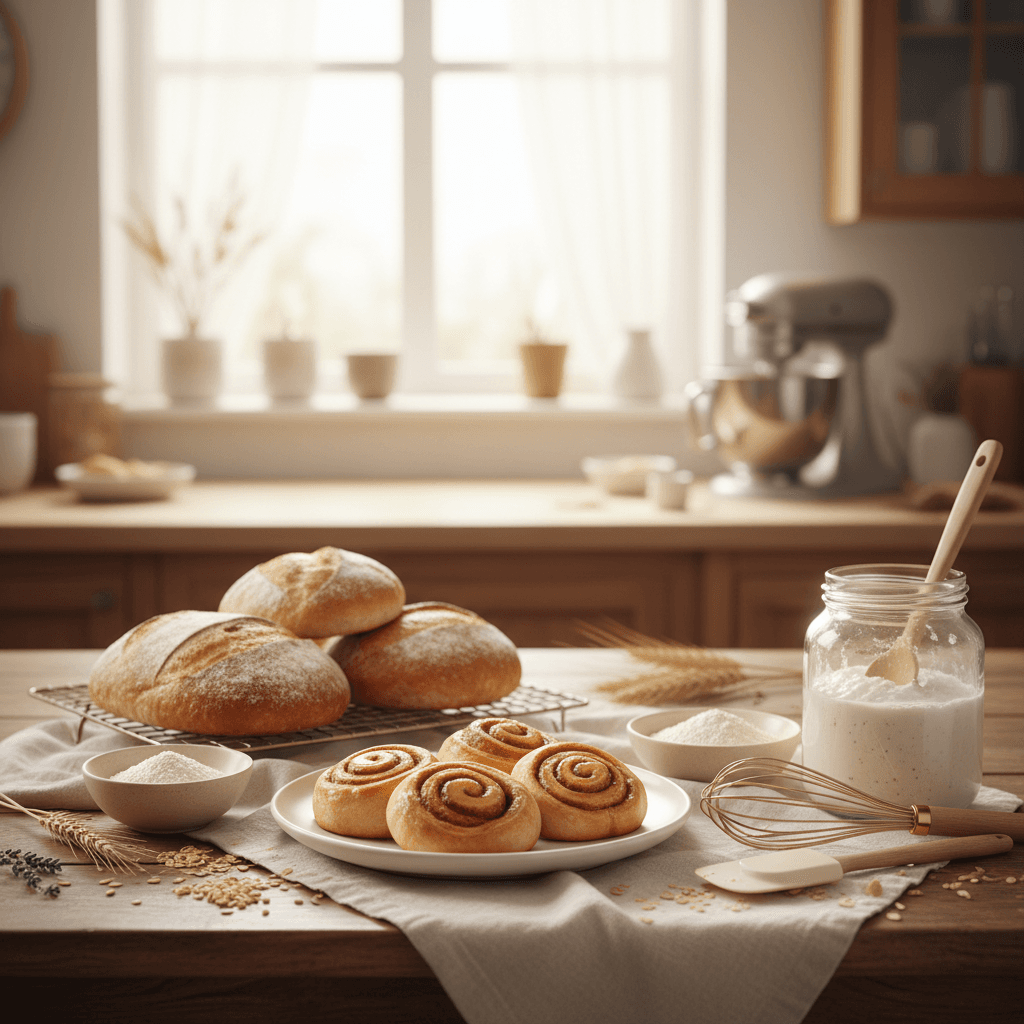
Starting a gluten-free bakery from home is one of the most accessible ways to turn your baking skills into real income — and the demand has never been higher. This guide walks you through every step, from legal requirements and startup costs to building a menu that keeps customers coming back.
Key takeaways
- Most states allow home-based food businesses under cottage food laws, with annual revenue caps typically ranging from $25,000 to $75,000 (some states have no cap at all).
- You can realistically start a gluten-free home bakery for $500–$2,000 in startup costs, depending on what equipment you already own.
- Cross-contamination prevention is the single most important factor that separates a trustworthy gluten-free bakery from one that loses customers fast.
- Pricing gluten-free baked goods 20–40% higher than conventional items is standard and expected — your ingredients cost more and your customers know it.
- Consistent, repeatable recipes using reliable flour blends are what turn first-time buyers into regulars.
- A dedicated gluten-free kitchen (even a home kitchen) is a major selling point that builds trust with celiac and allergy customers.
Why gluten-free home bakeries are in high demand
The gluten-free market hit over $6 billion in the U.S. in 2024, and it's still growing. But here's what the numbers don't tell you: most gluten-free consumers are desperate for baked goods that actually taste good. The grocery store options are improving, but they still can't compete with fresh-baked bread, cookies, and cakes from someone who genuinely cares about the craft.
That's your advantage. As a home baker, you can offer fresh, made-to-order products with transparent ingredient lists and a dedicated gluten-free kitchen — something most commercial bakeries can't claim. Customers with celiac disease, wheat allergies, or gluten sensitivity will pay a premium for products they can trust.
Step 1: Understand your state's cottage food laws
Cottage food laws are the regulations that allow you to legally sell food made in your home kitchen. Every U.S. state has some version of these laws, but the specifics vary significantly. Here's what you need to check for your state:
What cottage food laws typically cover
| Requirement | Common range | What to look for |
|---|---|---|
| Annual revenue cap | $25,000–$75,000+ | Some states like Utah and Wyoming have no cap |
| Allowed products | Varies widely | Most allow baked goods; some restrict cream-filled or refrigerated items |
| Labeling requirements | Nearly universal | Typically requires ingredient list, allergen info, and "made in a home kitchen" disclaimer |
| Permits or registration | $0–$200 | Some states require a food handler's permit or business license |
| Sales channels | Varies | Some restrict to farmers markets and direct sales; others allow online orders |
Start by searching "[your state] cottage food law" on your state's department of agriculture website. Many states have updated their laws in the last few years to be more permissive, so make sure you're reading the current version.
If your state's revenue cap feels limiting, don't worry — most home bakers don't hit the cap in their first year anyway, and by the time you do, you'll have the revenue to consider upgrading to a licensed commercial kitchen.
Step 2: Set up a dedicated gluten-free kitchen
This is where a gluten-free home bakery has a unique requirement that conventional home bakeries don't. Your customers are trusting you with their health, and cross-contamination is a real risk that can make people seriously ill.
The gold standard is a kitchen that is 100% gluten-free — no wheat flour, no shared equipment, no shared surfaces. If your household also uses gluten-containing products, you have a few options:
- Convert your entire kitchen to gluten-free. This is the simplest and safest approach. Many home bakers find that their families adapt just fine.
- Designate specific equipment and storage. Separate cutting boards, mixing bowls, baking sheets, wooden spoons, and sifters. Anything porous or scratched should be dedicated gluten-free only.
- Use a separate space. A basement kitchen, garage conversion, or even a well-organized secondary prep area can work.
If you're dealing with common gluten-free baking challenges like gritty textures or gummy centers, getting those sorted before you start selling is essential. Your recipes need to be dialed in and consistent.
We've built a lot of resources to help with exactly this. If you want a structured approach to mastering gluten-free flour blends and troubleshooting common issues, our Confident Gluten-Free Baker Toolkit walks you through it step by step — it's a solid foundation before you start taking orders.
Step 3: Calculate your startup costs
One of the best things about a home bakery is the low barrier to entry. You don't need a commercial lease, a buildout, or a staff. Here's a realistic breakdown of what you'll spend to get started:
| Expense | Estimated cost | Notes |
|---|---|---|
| Business license/permit | $0–$200 | Varies by state and city |
| Food handler's certification | $10–$30 | Required in most states; usually an online course |
| Liability insurance | $200–$500/year | Not always required, but strongly recommended |
| Packaging and labels | $50–$150 | Boxes, bags, stickers, printed labels |
| Ingredients (initial stock) | $100–$300 | Gluten-free flours, starches, xanthan gum, etc. |
| Equipment upgrades | $0–$500 | Depends on what you already own |
| Marketing (website, cards) | $50–$200 | Simple website or social media setup |
Total realistic range: $500–$2,000. If you already have a well-equipped kitchen, you can start on the lower end. Compare that to the $50,000–$250,000 it costs to open a commercial bakery, and you'll see why the home bakery model is so appealing.
For stocking your pantry efficiently, our guide on how to stock a baking pantry on a budget covers where to save and where to invest in quality ingredients.
Step 4: Develop a focused menu
The biggest mistake new home bakers make is offering too many products. A focused menu of 5–8 items lets you perfect your recipes, streamline your ingredient purchasing, and build a reputation for doing a few things exceptionally well.
Best-selling gluten-free home bakery items
- Sandwich bread and dinner rolls — These are the hardest things for gluten-free consumers to find fresh, which means high demand and repeat orders.
- Cookies — Low risk, easy to batch, and great for farmers markets. Chocolate chip and snickerdoodle are consistent winners.
- Brownies and bars — Naturally dense, so they translate well to gluten-free. Great profit margins.
- Cupcakes and layer cakes — Higher price point, especially for custom orders and celebrations.
- Muffins and scones — Perfect for weekend pickup orders and morning market traffic.
Start with items you already bake well. If your almond flour cookies always get compliments, that's your lead product. Build your menu around your strengths, then expand based on what customers request.
Catering to multiple dietary needs
Many gluten-free customers also need dairy-free, egg-free, or vegan options. Offering a few items that cover multiple restrictions can significantly expand your customer base. Our gluten-free vegan baking essentials guide is a good starting point if you want to add plant-based options to your lineup.
Step 5: Price your products for profit
Gluten-free baked goods should be priced 20–40% higher than their conventional equivalents, and your customers expect this. Your ingredient costs are genuinely higher — a bag of quality gluten-free flour blend costs 3–5x what all-purpose wheat flour costs. Don't apologize for your pricing.
How to calculate your price
Use this formula as a starting point:
(Ingredient cost + packaging cost) x 3 = minimum retail price
That 3x multiplier accounts for your labor, overhead (utilities, equipment wear), and profit. For custom or decorated items, multiply by 4x or more. Here are some real-world pricing examples from successful gluten-free home bakeries:
| Product | Ingredient + packaging cost | Suggested retail price |
|---|---|---|
| Loaf of sandwich bread | $3.00–$4.00 | $9.00–$14.00 |
| Dozen cookies | $2.50–$4.00 | $10.00–$15.00 |
| 6 cupcakes | $3.00–$5.00 | $12.00–$18.00 |
| 9x13 pan of brownies (12 cut) | $3.50–$5.00 | $14.00–$20.00 |
| Custom decorated cake (6-inch) | $6.00–$10.00 | $35.00–$55.00 |
Track your actual ingredient costs carefully. Weigh everything and calculate the per-recipe cost of each flour, starch, and specialty ingredient. This is the only way to know if you're actually making money.
Step 6: Build trust with your gluten-free customers
Trust is the currency of a gluten-free bakery. Your customers have likely been burned before — by restaurants that don't take cross-contamination seriously, by products with misleading labels, or by well-meaning friends who don't understand the difference between "low gluten" and "gluten-free."
Here's how you build that trust from day one:
- Be transparent about your kitchen setup. Tell customers whether your kitchen is 100% gluten-free or if you have dedicated equipment. Most celiac customers will ask, and an honest answer builds loyalty.
- List every ingredient. Not just the allergens — every single ingredient. Your customers read labels obsessively because they have to.
- Use certified gluten-free ingredients when possible. Oats, for example, must be specifically certified gluten-free to be safe for celiac customers.
- Know the difference between celiac disease, wheat allergy, and gluten sensitivity. They have different severity levels and your customers will respect you for understanding this.
- Never guess. If a customer asks whether a product contains a specific allergen and you're not sure, say so. Then go check.
Understanding common issues like strange aftertaste in gluten-free baking or dry, crumbly results and knowing how to solve them is what separates a home baker from a professional one — even if you're working from your kitchen.
Step 7: Get your first customers
You don't need a huge social media following to start getting orders. In fact, most successful home bakers build their customer base through a few reliable channels:
Farmers markets
This is the single best way to launch a gluten-free home bakery. You get face-to-face interaction, immediate feedback, and the ability to build a local following. Booth fees typically run $25–$75 per market day. Bring samples — gluten-free customers who taste your bread and realize it's actually good will become loyal buyers.
Word of mouth and local groups
Join local celiac and gluten-free support groups (both in-person and on Facebook). These communities are tight-knit and actively looking for safe bakers. Don't spam them — introduce yourself, share your story, and offer to bring samples to a meeting.
Direct orders and subscriptions
Once you have a few happy customers, offer a weekly bread subscription or a monthly cookie box. Recurring orders are the backbone of a profitable home bakery because they let you plan your baking schedule, buy ingredients in bulk, and predict your income.
Local partnerships
Coffee shops, juice bars, and health food stores often want to carry local gluten-free baked goods. Start with one or two products on consignment and let the sales speak for themselves.
Step 8: Scale without burning out
The trap many home bakers fall into is saying yes to everything — custom orders, last-minute requests, new products every week. This leads to burnout fast. Here's how to scale sustainably:
- Set a production schedule. Bake on specific days and take orders by a cutoff date. This lets you batch efficiently.
- Batch your best sellers. If chocolate chip cookies outsell everything else 3:1, lean into that instead of spreading yourself thin.
- Raise prices before adding hours. If you're fully booked, your prices are too low. Raise them 10–15% and see if demand holds (it usually does).
- Invest in time-saving equipment. A stand mixer, extra sheet pans, and a few professional-grade upgrades pay for themselves quickly when you're producing at volume.
- Track everything. Revenue, costs, hours worked, and cost per item. You can't improve what you don't measure.
Common mistakes to avoid when starting a gluten-free home bakery
We've seen these mistakes derail home bakers over and over again. Avoiding them will save you months of frustration:
- Not testing recipes enough before selling. Every recipe should be made at least 5–10 times before it goes on your menu. Consistency is everything.
- Underpricing. You're not competing with grocery store prices. You're offering a premium, fresh, safe product. Price accordingly.
- Ignoring labeling requirements. Cottage food labeling laws exist for a reason. Non-compliance can get you shut down.
- Trying to serve everyone. Focus on gluten-free first. You can add other dietary accommodations later, but diluting your focus early on weakens your brand.
- Skipping insurance. Liability insurance for a home bakery typically costs $200–$500 per year. That's a tiny price for peace of mind when you're selling food to people with serious dietary restrictions.
Frequently asked questions
How much does it cost to start a gluten-free bakery from home?
Most home bakers spend between $500 and $2,000 to get started, depending on what equipment they already own. The biggest expenses are liability insurance ($200–$500/year), initial ingredient stock ($100–$300), and packaging ($50–$150). If you need to build out your equipment from scratch, budget an additional $200–$500.
Do I need a license to sell gluten-free baked goods from home?
In most U.S. states, you can sell baked goods from home under cottage food laws without a full commercial license. However, you'll typically need a food handler's certification ($10–$30 online) and possibly a basic business license from your city or county. Check your specific state's cottage food regulations for exact requirements.
How do I prevent cross-contamination in a home gluten-free bakery?
The safest approach is to make your entire kitchen gluten-free. If that's not possible, use completely separate equipment, storage containers, and prep surfaces for your gluten-free baking. Porous items like wooden spoons, cutting boards, and silicone mats should be dedicated gluten-free only. Our gluten-free baking guide covers the most common pitfalls and how to avoid them.
How much should I charge for gluten-free baked goods?
Price your products at a minimum of 3x your ingredient and packaging costs. Gluten-free baked goods are typically priced 20–40% higher than conventional equivalents, which is expected and justified by higher ingredient costs. A loaf of gluten-free sandwich bread commonly sells for $9–$14, and a dozen cookies for $10–$15.
Can I make a full-time income from a gluten-free home bakery?
Yes, but it depends on your state's cottage food revenue cap and your pricing strategy. Many home bakers earn $1,000–$4,000 per month working part-time hours. States with higher or no revenue caps make full-time income more achievable. The key is building recurring orders through subscriptions and repeat customers rather than chasing one-off sales.
Ready to turn your gluten-free baking into a real business?
Starting a gluten-free home bakery is one of the most rewarding ways to use your baking skills — but getting consistent orders and building something sustainable takes more than great recipes.
Want a proven system for getting consistent orders? Our free masterclass covers the 3 biggest mistakes new home bakers make and how to actually get repeat customers — without relying on social media.

Written by
Co-founder, BakingSubs
Co-founder of BakingSubs, where he turns the science of ingredient substitutions into tested, reliable guidance for home bakers.
Related Posts
Gluten-Free Flour Weight Chart: Grams per Cup for 9 Major Brands (and Why the Spread Is Over 20%)
Best Low Carb Tortillas (2026): 6 Brands Compared by Net Carbs
Best Sugar-Free Cake Mix and Brownie Mix (2026): 14 Options Ranked by Net Carbs, Sweetener, and Price
Bake with Confidence
See all
Confident Gluten-Free Baker Toolkit
The science-based system that replaces gluten's seven invisible jobs so your baking turns out soft, fluffy, and foolproof — every time.

Gluten-Free Recipe Vault
Instant access to our complete library of proven gluten-free recipes — no waiting, no guesswork, just results that work tonight.

Fix Your Gluten-Free Bread
Learn the 3-step formula to make bread rise and stay soft, discover why your loaves collapse, and get a tested sandwich bread recipe that actually works.