

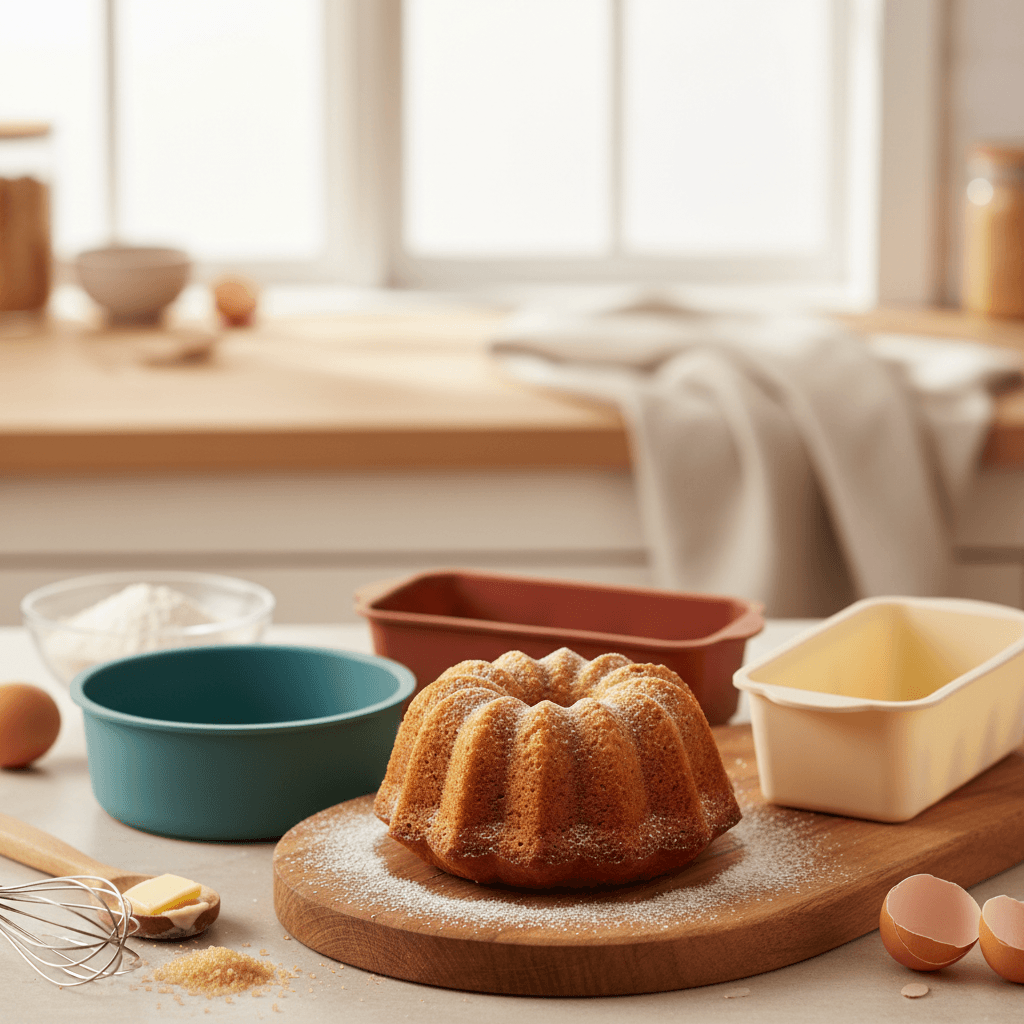
Gluten-free batters and doughs are stickier, more fragile, and less forgiving than their wheat-based counterparts — which means the mold you use matters far more than you might think. Here are the best silicone baking molds for gluten-free baking, compared across budgets and bake types, so your muffins, cakes, and breads actually come out in one piece.
Key takeaways
- Gluten-free baked goods lack the structural protein network that helps wheat-based bakes hold together during unmolding — flexible silicone molds let you peel away from the bake instead of flipping and hoping.
- Not all silicone is equal: food-grade, BPA-free silicone rated to at least 450 degrees F is the minimum standard for safe, reliable baking.
- Thicker silicone walls (2mm+) provide better heat distribution, which helps gluten-free batters set evenly and avoid gummy centers.
- Molds with a rigid metal frame or built-in structure are easier to transfer in and out of the oven without spilling thin GF batters.
- Silicone molds eliminate the need for heavy greasing, which can cause gluten-free bakes to fry on the edges before the center sets.
- For home bakery production, silicone molds with uniform cavities give you consistent sizing — critical for pricing and presentation.
Why silicone molds matter more for gluten-free baking
In traditional baking, gluten forms an elastic network that holds everything together. When you flip a wheat muffin out of a metal pan, that gluten web keeps it intact. Gluten-free bakes don't have that safety net. Without gluten's structural support, your muffins, cakes, and quick breads are held together by starches, eggs, and binders alone — and they're far more likely to crack, crumble, or stick.
This is where silicone changes the game. Instead of prying a fragile gluten-free muffin out of a rigid metal tin, you simply flex the silicone and peel it away. The bake stays still while the mold moves. If you've ever lost the top half of a gluten-free banana bread to a stubborn loaf pan, you already know why this matters.
There's a second benefit that's less obvious: even heat distribution. Gluten-free batters often contain more moisture and starch than wheat batters, which means they need gentler, more uniform heat to set properly. Thin metal pans can create hot spots that leave you with gummy centers and over-browned edges. Quality silicone molds moderate that heat, giving the whole bake a chance to cook through evenly.
If you're still building out your gluten-free baking skills and want a solid foundation for understanding how ingredients work together, the Confident Gluten-Free Baker Toolkit walks you through the science and technique behind getting consistently great results.
What to look for in a silicone baking mold
Before we get into specific picks, here's what separates a good silicone mold from a floppy, smelly disappointment:
- Thickness: Look for walls at least 2mm thick. Thin silicone warps, transfers heat unevenly, and is harder to handle when full of batter.
- Rigidity support: Molds with a built-in metal frame or a separate baking sheet underneath prevent spills when you're carrying a tray of liquid GF batter to the oven.
- Temperature rating: At minimum, 450 degrees F (230 degrees C). Most quality silicone handles up to 500 degrees F.
- FDA-grade / BPA-free silicone: Avoid cheap imports that use fillers. A quick test: pinch and twist the silicone — if white shows through, it contains fillers and won't last.
- Non-stick surface quality: Even silicone varies. Smoother interior surfaces release gluten-free bakes more cleanly.
The 7 best silicone baking molds for gluten-free baking
We've organized these picks by category so you can find exactly what you need, whether you're baking muffins for your family or scaling up production for a home bakery business.
1. Silicone muffin pan (budget pick)
The Katbite 12-Cup Silicone Muffin Pan is a solid entry point for anyone switching from metal to silicone. It's thick enough to hold its shape when filled and releases gluten-free muffins cleanly without any greasing.
| Feature | Details |
|---|---|
| Price range | $10 - $14 |
| Cavities | 12 standard muffin cups |
| Temp rating | Up to 450 degrees F |
| Dishwasher safe | Yes |
Pros: Affordable, BPA-free, thick enough for everyday use, fits standard ovens. Excellent release even with sticky almond flour-based batters.
Cons: No rigid frame — you'll want to place it on a baking sheet for stability. Slightly smaller cup size than some standard metal pans.
2. Silicone muffin pan with steel frame (mid-range pick)
The Boxiki Kitchen Steel-Framed Silicone Muffin Pan solves the biggest complaint about silicone muffin pans: floppiness. The integrated steel frame means you can carry it one-handed without batter sloshing everywhere.
| Feature | Details |
|---|---|
| Price range | $18 - $24 |
| Cavities | 12 standard muffin cups |
| Temp rating | Up to 500 degrees F |
| Dishwasher safe | Yes |
Pros: Steel frame eliminates the need for a separate baking sheet. Thicker silicone walls for even baking. Perfect for thin gluten-free batters that would spill in a floppy pan.
Cons: Slightly heavier than frameless options. Costs more than basic silicone pans.
3. Silicone loaf pan for gluten-free bread (best for bread)
Gluten-free bread dough is notoriously sticky and often bakes into a loaf that bonds to metal pans like cement. The Trudeau Structure Silicones Loaf Pan has a built-in steel structure and a smooth interior that releases GF bread cleanly every time.
| Feature | Details |
|---|---|
| Price range | $16 - $22 |
| Size | 8.5 x 4.5 inches (standard loaf) |
| Temp rating | Up to 500 degrees F |
| Dishwasher safe | Yes |
Pros: Steel frame provides rigidity for heavy GF bread doughs. Excellent release — no more losing the bottom crust. Even heat distribution helps avoid the gummy center problem common with gluten-free sandwich bread.
Cons: Only comes in one size. The steel frame means you can't flex it as dramatically for unmolding, but a gentle push on the bottom releases bread easily.
If you're baking gluten-free bread regularly, having the right flour blend matters just as much as the pan.
4. Mini bundt cake silicone mold (best for specialty shapes)
Mini bundt cakes are a nightmare to unmold in metal pans, and gluten-free versions are even worse because the delicate crumb tears apart in the fluted grooves. The Silivo 12-Cup Mini Bundt Cake Mold lets you flex each cavity individually to release intricate shapes intact.
| Feature | Details |
|---|---|
| Price range | $12 - $16 |
| Cavities | 12 mini bundt shapes |
| Temp rating | Up to 446 degrees F |
| Dishwasher safe | Yes |
Pros: Beautiful fluted design that actually releases GF bakes. Flexible enough to peel away without cracking delicate crumb. Great for home bakeries selling individual-sized cakes.
Cons: No rigid frame — definitely use a baking sheet underneath. Lower temperature rating than some competitors.
5. Silicone donut pan (best for gluten-free donuts)
Baked gluten-free donuts are a fantastic alternative to fried, but GF donut batter is typically thinner than wheat-based and sticks aggressively to metal donut pans. The Walfos Silicone Donut Mold 2-Pack handles this beautifully with a smooth, non-stick surface and just enough flexibility for clean release.
| Feature | Details |
|---|---|
| Price range | $10 - $14 (2-pack) |
| Cavities | 6 per pan (12 total) |
| Temp rating | Up to 450 degrees F |
| Dishwasher safe | Yes |
Pros: Two pans in one purchase gives you a full dozen. Perfect donut shape with smooth tops and bottoms. Thin GF batters don't leak or stick.
Cons: Flexible enough that you need a baking sheet for support. Donut cavities are slightly smaller than some metal pans.
6. Full-size silicone bundt pan (premium pick)
For showstopper gluten-free cakes, the Trudeau Structure Silicones Fluted Bundt Pan is the gold standard. The steel frame supports heavy GF batters while the silicone interior releases even the most intricate designs.
| Feature | Details |
|---|---|
| Price range | $24 - $32 |
| Size | 10-cup capacity |
| Temp rating | Up to 500 degrees F |
| Dishwasher safe | Yes |
Pros: Steel frame means no wobble, even with heavy batter. Exceptional release on detailed fluted designs. Handles the longer bake times that GF bundt cakes often need without hot spots. A must-have if you're building a gluten-free wedding cake business.
Cons: Premium price point. Heavier than frameless silicone. Takes up more storage space.
7. Silicone bar/financier mold (best for home bakery production)
If you're selling at farmers markets or filling custom orders, the Silikomart 8-Cavity Silicone Bar Mold produces perfectly uniform rectangular bars that are ideal for packaging and pricing by the piece. This is professional-grade silicone used in pastry schools.
| Feature | Details |
|---|---|
| Price range | $28 - $38 |
| Cavities | 8 uniform bars |
| Temp rating | Up to 446 degrees F |
| Dishwasher safe | Yes |
Pros: Professional-grade platinum silicone with exceptional non-stick properties. Uniform sizing is perfect for consistent production runs. Works beautifully with dense GF batters like financiers, brownies, and tea cakes.
Cons: Higher price point. Only 8 cavities per mold, so you may need multiples for large batches. Specialty shape isn't as versatile as a muffin pan.
Quick comparison of all 7 picks
| Mold | Best for | Price range | Has steel frame | Cavities |
|---|---|---|---|---|
| Katbite Muffin Pan | Budget muffins | $10 - $14 | No | 12 |
| Boxiki Steel-Frame Muffin | Everyday muffins | $18 - $24 | Yes | 12 |
| Trudeau Loaf Pan | GF bread | $16 - $22 | Yes | 1 loaf |
| Silivo Mini Bundt | Specialty shapes | $12 - $16 | No | 12 |
| Walfos Donut 2-Pack | Baked donuts | $10 - $14 | No | 12 total |
| Trudeau Bundt Pan | Showstopper cakes | $24 - $32 | Yes | 1 cake |
| Silikomart Bar Mold | Home bakery production | $28 - $38 | No | 8 |
Tips for using silicone molds with gluten-free batter
Even with great silicone molds, a few technique adjustments will give you the best results with gluten-free recipes:
- Always place frameless molds on a baking sheet before filling with batter. GF batters are often thinner than wheat batters, and a wobbly mold means uneven fills and spills.
- Let bakes cool completely in the mold before unmolding. Gluten-free bakes firm up significantly as they cool because the starches are setting. Unmolding too early is the number one cause of breakage.
- A light spray of oil is optional but helpful for very sticky batters, especially those heavy in brown rice flour or cassava flour.
- Peel the mold away from the bake, not the bake away from the mold. Flex the sides outward, then gently push up from the bottom.
- Avoid sharp utensils inside silicone molds. Even small cuts compromise the non-stick surface permanently.
Understanding what gluten does in baking helps you anticipate where gluten-free bakes will behave differently — and where the right equipment can compensate.
How to clean and maintain silicone baking molds
Silicone molds are dishwasher safe, but over time they can develop a greasy film that reduces their non-stick properties. Here's how to keep them performing like new:
- Wash with hot, soapy water after each use. Dish soap cuts through the oils that build up on silicone.
- For stubborn residue, make a paste of baking soda and water, apply it to the mold, and let it sit for 30 minutes before scrubbing gently.
- Every few months, place molds in the oven at 350 degrees F for 10 minutes (empty) to burn off any oil buildup. Let them cool completely before washing.
- Store flat or nested — avoid crumpling or folding, which can create creases that trap residue.
Frequently asked questions
Do you need to grease silicone molds for gluten-free baking?
Most of the time, no. Quality silicone molds release gluten-free bakes without any greasing. However, for very sticky batters — especially those using cassava flour or heavy nut flours — a very light spray of cooking oil provides extra insurance. Avoid heavy greasing, which can cause GF bakes to fry on the edges.
Are silicone baking molds safe to use at high temperatures?
Yes, food-grade silicone rated for baking is safe up to at least 450 degrees F, and many quality molds handle 500 degrees F. The key is buying molds made from 100% platinum-cured silicone without fillers. To check, pinch the silicone and twist — if white appears, it contains fillers and may not be safe at high temperatures.
Why do gluten-free bakes stick to metal pans more than wheat bakes?
Gluten-free batters contain higher ratios of starches and sugars, both of which are naturally sticky when heated. Wheat-based bakes have a gluten network that contracts slightly during cooling, pulling the bake away from the pan walls. Without gluten, that natural release doesn't happen, so the bake bonds directly to the pan surface. This is why silicone's flexibility is such a game-changer for GF baking. Our beginner's guide to gluten-free baking covers more of these fundamental differences.
Can I use silicone molds in a convection oven?
Absolutely. Silicone molds work well in convection ovens, and the circulating air can actually help gluten-free bakes set more evenly. Just reduce your oven temperature by 25 degrees F as you would with any convection baking, and keep an eye on bake times since convection ovens run more efficiently.
How long do silicone baking molds last?
High-quality silicone molds last 5 to 10 years or more with proper care. They won't rust, warp, or dent like metal pans. The main thing that shortens their lifespan is cutting inside them with sharp utensils or using them above their rated temperature. If you're running a gluten-free home bakery, investing in quality silicone molds pays for itself many times over compared to constantly replacing cheap metal pans.

Written by
Co-founder, BakingSubs
Co-founder of BakingSubs, where he turns the science of ingredient substitutions into tested, reliable guidance for home bakers.
Related Posts
Bake with Confidence
See all
Confident Gluten-Free Baker Toolkit
The science-based system that replaces gluten's seven invisible jobs so your baking turns out soft, fluffy, and foolproof — every time.

Gluten-Free Recipe Vault
Instant access to our complete library of proven gluten-free recipes — no waiting, no guesswork, just results that work tonight.

Fix Your Gluten-Free Bread
Learn the 3-step formula to make bread rise and stay soft, discover why your loaves collapse, and get a tested sandwich bread recipe that actually works.