
How to Sell Dog Treats From Home: Legality, Pricing, and Your First 3 Sales Channels
Learn how to legally sell dog treats from home: state feed law registration, guaranteed analysis labels, pricing per bag ($8–$14), packaging, and your first 3 sales channels.

Malik
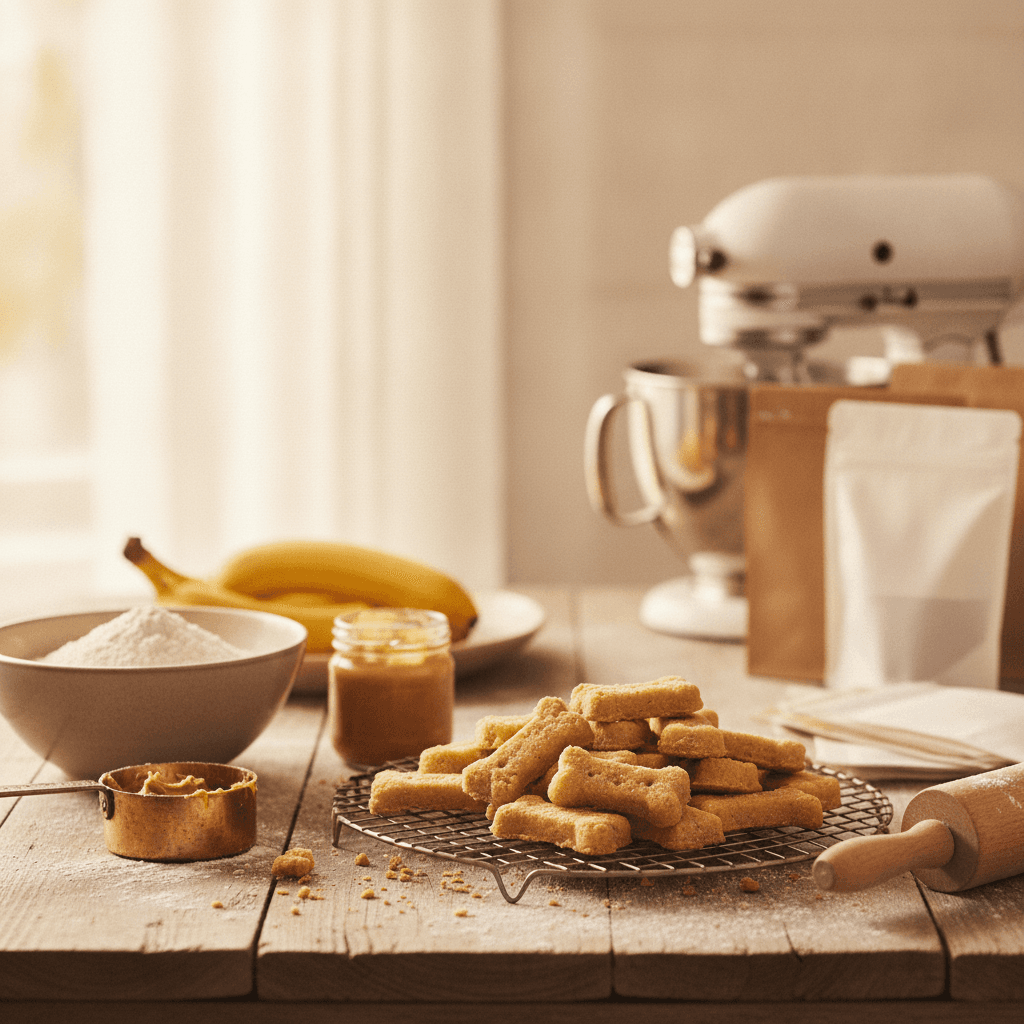
To sell dog treats from home, you need to register your product with your state's department of agriculture under commercial feed or pet food law — not cottage food law — and include a guaranteed analysis label on every package. This is a different regulatory path than selling cookies or bread, and most home bakers don't realize it until they get a cease-and-desist letter. Here's exactly how to do it right, what it costs, and where to sell first.
Key takeaways
- Dog treats fall under state feed/pet food law, not cottage food law. Most states require product registration ($25–$250/year) and a guaranteed analysis on the label listing crude protein, fat, fiber, and moisture.
- A single batch of 48 peanut butter dog biscuits costs roughly $3.80–$6.20 in ingredients, and most home sellers price them at $8–$14 per bag of 12, yielding 55–70% margins before packaging.
- Shelf life for dehydrated or low-moisture treats is 2–4 weeks without preservatives; vacuum-sealed treats can last 6–8 weeks at room temperature.
- Your first three sales channels — farmers markets, local pet boutiques on consignment, and direct online orders — each have different packaging and labeling requirements.
- Xylitol, raisins, macadamia nuts, onion, garlic, and chocolate are toxic to dogs. If you bake human treats in the same kitchen, cross-contamination is a real liability risk.
Why dog treats aren't covered by cottage food law
Cottage food laws in every state apply to food for human consumption. Dog treats are classified as commercial animal feed, which puts them under your state department of agriculture's feed control program. The Association of American Feed Control Officials (AAFCO) sets model regulations that most states adopt, and those regulations require two things most home bakers don't expect: product registration and a guaranteed analysis label.
Fees vary widely. Texas charges a one-time $75 facility license plus about $50 per product per year. New York charges $100 per product per year. Michigan issues a flat $25 feed license that covers all of your products; Ohio charges a $50 annual registration. California licenses processed pet food, including treats, through its Department of Public Health for roughly $254 every two years. Minnesota is the notable exception: it lets you sell baked or dehydrated dog and cat treats under its cottage food exemption, with registration and a sales cap. No other state exempts small-batch treats from feed law. Call your state feed control official directly; the AAFCO maintains a directory on their website.
If you already run a home bakery for human baked goods, your existing cottage food permit does not cover pet treats. You need a separate registration. For more on how cottage food law works for your human-food products, we have a detailed breakdown of regulations and limits in our home bakery guides.
What goes on a dog treat label
AAFCO model regulations require nine items on every pet treat label. Miss one and your state inspector can pull your product off shelves. Here's the full list:
- Product name — must include the species (e.g., "Peanut Butter Dog Biscuits," not just "Peanut Butter Biscuits")
- Net weight — in both ounces and grams
- Guaranteed analysis — minimum crude protein %, minimum crude fat %, maximum crude fiber %, maximum moisture %
- Ingredient list — in descending order by weight, using AAFCO-defined ingredient names
- Nutritional adequacy statement or treat exemption — if the word "treat" or "snack" appears conspicuously on the front of the package, AAFCO exempts you from the adequacy statement; otherwise print "This product is intended for intermittent or supplemental feeding only."
- Feeding directions — some states waive these for products labeled as treats, but a simple "Feed 1–2 treats per day for dogs under 30 lbs" satisfies most inspectors
- Manufacturer name and address — your home address or registered business address
- Quantity statement — number of treats per package if sold by count
- Calorie content statement — required on dog and cat treats under AAFCO model regulation PF9, expressed as kcal per kilogram and kcal per treat
The guaranteed analysis is the part that trips up home bakers. You can't guess at protein and fat percentages. You either need to calculate them from your recipe using USDA nutrient data for each ingredient, or send a sample to a lab. Analytical lab testing typically runs about $75–$150 per product through labs like Midwest Laboratories or Eurofins. If you have three products in your line, budget $225–$450 for initial lab work.
Recipe cost sheet you can copy
Before you set prices, you need to know your actual cost per treat. Here's a recipe cost sheet layout for a standard peanut butter and oat dog biscuit recipe (48 treats per batch). Copy this table into a spreadsheet and fill in your own prices; the package costs shown are typical U.S. grocery figures, not fixed numbers.
| Ingredient | Amount used | Package size | Package cost | Cost per batch |
|---|---|---|---|---|
| Rolled oats (ground to flour) | 2 cups (180g) | 42 oz canister | about $4.50 | $0.68 |
| Peanut butter (xylitol-free) | 1 cup (256g) | 16 oz jar | about $3.50 | $1.96 |
| Pumpkin puree | 1/2 cup (122g) | 15 oz can | about $2.00 | $0.57 |
| Eggs | 1 large | 12 ct | about $3.60 | $0.30 |
| Brown rice flour | 1 cup (158g) | 24 oz bag | about $4.50 | $1.05 |
| Coconut oil | 1 tbsp (14g) | 14 oz jar | about $7.00 | $0.25 |
| Total ingredient cost per batch (48 treats) | $4.81 | |||
| Cost per treat (estimated) | $0.10 (about $0.08–$0.13 depending on local prices) | |||
This table doesn't include packaging, labels, or your time. We'll cover those next.
Pricing dog treats for profit
Most home dog treat sellers price by the bag, not by the individual treat. The standard retail unit is a bag of 10–12 treats. Here's how the math works for a bag of 12 peanut butter biscuits:
| Cost category | Amount | Notes |
|---|---|---|
| Ingredients (12 treats) | $0.96–$1.56 | From cost sheet above |
| Stand-up pouch + label | $0.35–$0.60 | Kraft pouches in bulk of 100 |
| Sticker label (printed) | $0.15–$0.30 | Avery labels or local print shop |
| Ribbon/tie/stamp | $0.10 | Optional branding |
| Total cost per bag | $1.56–$2.56 | |
| Retail price | $8.00–$14.00 | Depends on market and treat size |
| Gross margin | 68–82% | Before labor, fees, registration |
Consider a seller offering single-ingredient dehydrated sweet potato chews at $12 per bag of 8 with an ingredient cost of about $1.10 per bag. At 40–60 bags per month across a Saturday farmers market and one local pet store, that is $480–$720 in monthly revenue before booth fees and registration costs.
A common mistake is pricing too low to "get started." If you sell a bag of 12 treats for $5, your margin after packaging is under $3 — and that's before the $35 farmers market booth fee, gas, and the 4 hours you spent baking and bagging. Price at $8 minimum for small biscuits, $10–$14 for larger or specialty treats (grain-free, single-ingredient jerky), and $16–$20 for decorated or custom treats.
Packaging and shelf life
Dog treats need packaging that keeps moisture out. Moisture is what grows mold, and mold is what gets you a complaint — or worse, a sick dog and a lawsuit.
Low-moisture biscuits (baked until hard, under 10% moisture): 2–4 weeks in a sealed kraft pouch at room temperature. Vacuum-sealing extends this to 6–8 weeks.
Dehydrated treats (jerky-style, sweet potato chews): 2–3 weeks in a sealed bag. Refrigerated, 4–6 weeks. Add a silica gel desiccant packet (food-safe) to absorb residual moisture.
Soft or chewy treats (with higher moisture content): 5–7 days at room temperature, 2–3 weeks refrigerated. These are the hardest to sell at markets because the shelf life is so short.
Check what your state allows you to make at home before you commit to a product line. New York, for example, permits shelf-stable baked biscuits from a home kitchen but not dehydrated, freeze-dried, or canned treats.
For packaging supplies, kraft stand-up pouches in the 5"x8" size work well for most treat bags and cost about $0.25–$0.40 each when bought in packs of 100. You'll also want a heat sealer to close them properly — hand-folding with a sticker doesn't keep moisture out reliably.
Print your labels at home on waterproof Avery labels to start. When you're selling 100+ bags per month, switch to a local print shop or an online service for professional-looking labels. Budget $0.15–$0.30 per label at home, $0.08–$0.12 per label in bulk from a printer.
Ingredients to avoid (and cross-contamination risks)
These ingredients are toxic to dogs and must never appear in your treats:
- Xylitol — found in many sugar-free peanut butters and baking products. Even small amounts can cause liver failure in dogs. Always check the peanut butter label. If you use xylitol in your human baking, keep it in a completely separate, labeled container away from your dog treat ingredients.
- Chocolate and cocoa — theobromine is the toxic compound. No exceptions, not even white chocolate (which still contains trace amounts).
- Raisins and grapes — cause kidney failure. If you bake oatmeal raisin cookies for humans, clean every surface before starting dog treats.
- Macadamia nuts — cause weakness, vomiting, and tremors in dogs.
- Onion and garlic — damage red blood cells. This includes onion powder and garlic powder.
If you bake human products in the same kitchen, cross-contamination is a serious liability. A stray chocolate chip in a dog treat bag could make a dog sick and expose you to legal action. Use dedicated mixing bowls, baking sheets, and storage containers for dog treats. Bake dog treats on a separate day from human treats if possible, or at minimum, do a full kitchen wipe-down between batches.
Chocolate chips and raisins travel on hands, scoops, and sheet pans more easily than most bakers expect. Treat every shared surface as contaminated until it has been washed, and keep a written cleaning checklist — inspectors and insurers both like to see one.
Your first three places to sell
1. Farmers markets
Farmers markets are the fastest way to get face-to-face with dog owners who already spend money on local, handmade products. Booth fees run $25–$75 per market day in most areas. Some markets have a separate application for pet products, so ask the market manager before you apply.
Bring samples cut into small pieces. Let dogs try them on the spot (with the owner's permission). This is the single most effective sales tactic — a dog enthusiastically eating your treat sells more bags than any sign or pitch.
You'll need your state registration paperwork, proof of liability insurance (about $200–$400/year for a home pet treat business through companies like Flip or Next Insurance), and compliant labels on every bag.
2. Local pet boutiques on consignment
Independent pet stores — not PetSmart or Petco — often carry local treats on consignment or at wholesale. Consignment means they take 30–40% of the retail price and you keep the rest. Wholesale means they buy from you at 50% of retail and set their own price.
Start with consignment because it's lower risk for the store owner. Bring 10–15 bags, your product registration paperwork, your label with the guaranteed analysis, and a one-page sell sheet showing your ingredients, shelf life, and suggested retail price. Visit 3–5 stores in your area and expect 1–2 to say yes on the first round.
If you price a bag at $12 retail and the store takes 35% on consignment, you receive $7.80 per bag. With a cost of about $2.00 per bag, that's still a $5.80 margin — solid for passive income once the product is on the shelf.
3. Direct online orders (local delivery or pickup)
A simple website or even an Instagram page with a Google Form order link can generate local orders. You don't need a full e-commerce setup to start. Shipping dog treats nationally adds complexity (USPS/UPS costs, freshness concerns, multi-state registration requirements), so start with local pickup or delivery within a 15–20 mile radius.
Set a minimum order of $20 to make deliveries worth your time. Offer a subscription — "4 bags per month, $40, delivered the first Saturday" — because dog owners who find treats their dog loves will reorder on autopilot.
Order form template
Use this layout for a simple paper or digital order form. Copy the table into Google Sheets or print it for farmers market pre-orders.
| Field | Customer fills in |
|---|---|
| Customer name | |
| Phone number | |
| Dog's name | |
| Known allergies | |
| Product 1: Peanut Butter Biscuits (12 ct) — $10 | Qty: ___ |
| Product 2: Sweet Potato Chews (8 ct) — $12 | Qty: ___ |
| Product 3: Pumpkin Oat Bites (12 ct) — $10 | Qty: ___ |
| Product 4: (your seasonal or specialty item) | Qty: ___ |
| Pickup or delivery? | |
| Preferred pickup date | |
| Order total | $___ |
| Deposit paid ($5 or 50%) | Yes / No |
| Notes |
Collect a deposit of at least 50% on all pre-orders. Dog treat ingredients are perishable, and no-shows cost you money. Venmo, Zelle, or Square invoices all work for collecting deposits.
Startup costs: what to budget for your first month
Here's a realistic breakdown of what you'll spend before you sell your first bag:
| Expense | Estimated cost | Notes |
|---|---|---|
| State license or product registration | $25–$250 | Flat license in some states (Michigan $25, Ohio $50); per-product fees in others (Texas about $50, New York $100) |
| Lab testing (guaranteed analysis) | $75–$150 per product | Midwest Laboratories, Eurofins, or similar |
| Liability insurance (annual) | $200–$400 | Flip, Next Insurance, or similar |
| Packaging (100 pouches + labels) | $40–$70 | Kraft pouches + Avery waterproof labels |
| Heat sealer | $25–$40 | Impulse sealer |
| Ingredients (first 5 batches) | $20–$35 | About 240 treats |
| Farmers market booth fee (first month, 4 markets) | $100–$300 | Varies by location |
| Total startup estimate | $485–$1,245 |
The wide range depends mostly on your state's registration fees and how many products you launch with. Start with one or two products to keep lab and registration costs low. You can always add more once you're profitable.
Common dog-safe base ingredients for treats
Stick to simple, recognizable ingredients. Dog owners buying handmade treats want short ingredient lists they can understand. Here are proven bases:
- Brown rice flour — affordable, easy to work with, grain-inclusive. About $0.20 per cup.
- Oat flour — grind rolled oats in a blender. Cheap and dogs love it. Note: not suitable if marketing as grain-free.
- Pumpkin puree — binds well, adds fiber, dogs go crazy for it. Use plain canned pumpkin, not pie filling. We've written about pumpkin puree as a fat substitute — the moisture and binding principles apply to dog treats too.
- Sweet potato — slice thin and dehydrate for single-ingredient chews, or mash into biscuit dough. Our post on sweet potato puree as a fat substitute covers the moisture ratios that matter for texture.
- Peanut butter — the number one flavor dogs respond to at markets. Triple-check the label for xylitol every time you buy a new jar.
- Eggs — great binder. One egg per batch of 48 biscuits is standard. See our guide to egg functions in baking for why they hold these doughs together.
Flour choice changes texture more than flavor. Brown rice flour bakes up hardest and driest, which is what you want for shelf life; oat flour gives a softer, more crumbly biscuit that dogs often prefer but that stales faster. A 50/50 blend is a reasonable compromise for a market biscuit.
Timeline: from idea to first sale
Most people can go from zero to selling their first bag in 4–8 weeks if they move steadily. Here's a realistic week-by-week plan:
| Week | Task | Details |
|---|---|---|
| 1 | Research your state's pet treat regulations | Call your state dept. of agriculture feed control office. Ask about registration, fees, labeling, and kitchen requirements. |
| 2 | Develop 1–2 recipes and calculate costs | Use the cost sheet above. Test recipes on dogs you know (friends, family, your own). Get feedback on palatability. |
| 3 | Send samples for lab analysis | Ship to a feed analysis lab. Turnaround is typically 5–10 business days. |
| 4 | Design labels and order packaging | Include all 9 required label elements. Order pouches and labels. |
| 5 | Submit product registration to your state | Include lab results, labels, and fees. Some states approve in days, others take 2–4 weeks. |
| 5–6 | Get liability insurance | Apply online — most policies activate within 24–48 hours. |
| 6–7 | Apply to farmers markets or approach pet stores | Many markets have rolling applications. Pet stores can say yes on the spot. |
| 7–8 | Bake first production batch and sell | Start with 30–50 bags. Track every cost. |
The bottleneck is almost always the lab results and state registration approval. Start those in week 3 so you're not waiting around in weeks 6 and 7.
Mistakes that cost home dog treat sellers money
These are common, avoidable errors:
- Selling under cottage food law — Your state agriculture inspector can issue a stop-sale order and fine you. Florida's commercial feed law, for example, allows administrative fines of up to $1,000 per occurrence.
- Skipping the guaranteed analysis — Even if your state is slow to enforce, a competitor or unhappy customer can report you. The fix costs $75–$150 per product. Just do it upfront.
- Using xylitol-containing peanut butter — Brands reformulate without warning. Check every jar, every time. Jif, Skippy, and most store brands are currently xylitol-free, but "sugar-free" or "no sugar added" varieties from any brand may contain it.
- No liability insurance — If a dog has an allergic reaction to your treats, you're personally liable without insurance. $200–$400 per year is cheap protection.
- Pricing at $5 per bag — You'll work for less than minimum wage. The market for handmade dog treats supports $8–$14 easily. Dog owners who buy at farmers markets and boutiques expect to pay a premium.
Frequently asked questions
Do I need a license to sell homemade dog treats?
Yes, in most states. Dog treats are regulated as commercial animal feed, not as cottage food. You typically need to register each product with your state department of agriculture and pay an annual fee ($25–$250 per product depending on the state). Some states also require a facility inspection, though many allow home kitchens if they meet basic sanitation standards. Call your state's feed control office for the exact requirements.
How much can you make selling dog treats from home?
Revenue depends on your sales channels and volume. A typical home seller doing one farmers market per week and supplying 2–3 local pet stores can generate $500–$1,500 per month in gross revenue. With ingredient and packaging costs around $1.50–$2.50 per bag and a retail price of $10–$14, margins are strong — but factor in booth fees, insurance ($200–$400/year), registration fees, and your labor. Net profit for a part-time operation usually lands at $300–$900 per month.
What dog treat ingredients sell best at farmers markets?
Peanut butter treats are typically the top seller. Sweet potato chews are the second most popular, especially with owners looking for single-ingredient or grain-free options. Pumpkin-based treats sell well in fall. Avoid exotic or unfamiliar ingredients; dog owners at markets want simple, recognizable ingredient lists they can read in 5 seconds.
Can I sell dog treats on Etsy or Amazon from home?
You can, but it adds complexity. Etsy currently allows pet treats and is the easier platform to start with. Amazon gates its pet food category and typically asks for lab results and registration documentation; check both platforms' current policies before listing. Both platforms mean you're shipping nationally, which may require you to register your products in every state where you have customers — not just your home state. Start with local sales to prove your recipes and build cash flow before expanding online.
Do homemade dog treats need to be refrigerated?
It depends on the moisture content. Hard-baked biscuits with under 10% moisture can stay at room temperature for 2–4 weeks in a sealed bag (6–8 weeks vacuum-sealed). Dehydrated jerky-style treats last 2–3 weeks sealed, 4–6 weeks refrigerated. Soft or chewy treats with higher moisture should be refrigerated and have a shelf life of only 5–7 days at room temperature. Adding a food-safe silica desiccant packet helps extend shelf life for any treat type.

Written by
Co-founder, BakingSubs
Co-founder of BakingSubs, where he turns the science of ingredient substitutions into tested, reliable guidance for home bakers.
Related Posts


Bake with Confidence
See all
Confident Gluten-Free Baker Toolkit
The science-based system that replaces gluten's seven invisible jobs so your baking turns out soft, fluffy, and foolproof — every time.

Gluten-Free Recipe Vault
Instant access to our complete library of proven gluten-free recipes — no waiting, no guesswork, just results that work tonight.

Fix Your Gluten-Free Bread
Learn the 3-step formula to make bread rise and stay soft, discover why your loaves collapse, and get a tested sandwich bread recipe that actually works.