

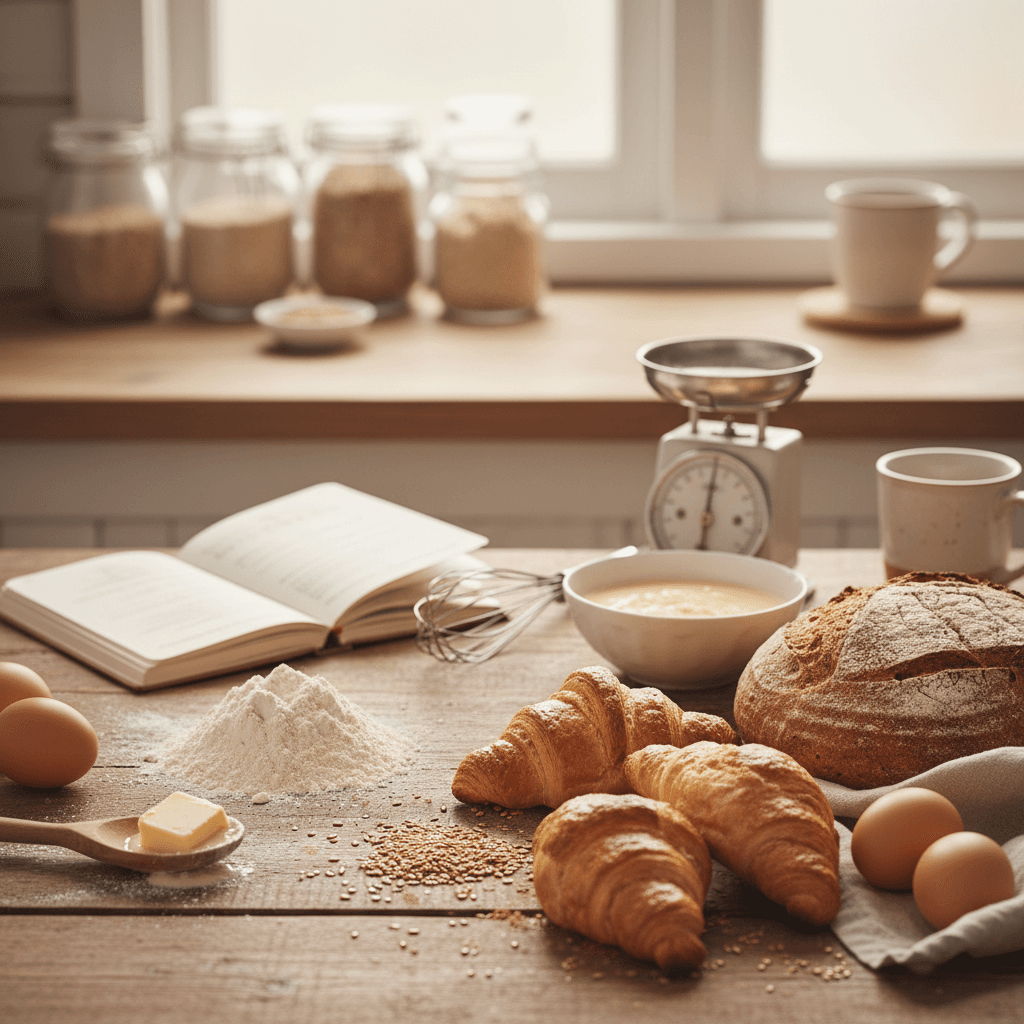
Starting a home bakery business is one of the lowest-risk ways to turn your baking skills into real income. This guide walks you through every step — from understanding cottage food laws to getting your first paying customers — with actual numbers and practical advice.
Key takeaways
- Most states allow home bakery businesses under cottage food laws, with annual revenue caps typically ranging from $25,000 to $75,000 (some states have no cap at all).
- You can realistically start a home bakery for $500 to $2,000 if you already have basic equipment and a functional kitchen.
- Proper pricing is the number one factor that determines whether your home bakery survives — most new bakers underprice by 40-60%.
- You do not need a massive social media following to get consistent orders. Word of mouth, local networking, and repeat customers are more reliable revenue streams.
- Specializing in a niche like gluten-free, allergy-friendly, or custom celebration cakes gives you a competitive advantage and lets you charge premium prices.
- Getting your food handler's permit and understanding labeling requirements are non-negotiable first steps before you sell anything.
What is a cottage food law and does your state allow home baking?
Cottage food laws are state regulations that allow individuals to prepare and sell certain foods from their home kitchen without a commercial kitchen license. As of 2025, all 50 US states have some form of cottage food law, though the specifics vary dramatically.
The three things that differ most between states are: what products you can sell, how much revenue you can earn annually, and where you're allowed to sell. Some states restrict you to farmers' markets and direct sales only, while others allow online ordering and delivery.
| Factor | Restrictive states | Moderate states | Permissive states |
|---|---|---|---|
| Annual revenue cap | $5,000 - $25,000 | $25,000 - $75,000 | $75,000+ or no cap |
| Allowed products | Non-perishable only (cookies, breads, jams) | Most baked goods, some candy | Broad range including some perishables |
| Sales channels | In-person only (farmers' markets, roadside) | In-person + direct delivery | Online, delivery, wholesale to stores |
| Licensing required | Permit + kitchen inspection | Permit, no inspection | Registration or self-certification |
| Examples | New Jersey, Wisconsin (older rules) | Texas, California, Florida | Utah, Wyoming, Colorado |
Your first action step: search for "[your state] cottage food law" on your state's department of agriculture website. Read the actual statute, not just a blog summary. Laws change frequently, and outdated information can get you in trouble.
How much does it cost to start a home bakery?
Most home bakers can launch for between $500 and $2,000, assuming you already have a working oven and basic baking tools. Here's where that money actually goes.
| Expense | Estimated cost | Notes |
|---|---|---|
| Food handler's permit | $10 - $30 | Required in most states; online course takes 2-4 hours |
| Business registration (DBA or LLC) | $50 - $200 | Varies by state; LLC recommended for liability protection |
| Cottage food permit/license | $0 - $100 | Some states charge nothing; others require annual fees |
| Packaging and labels | $50 - $150 | Boxes, bags, stickers, and required ingredient labels |
| Initial ingredients | $100 - $300 | Flour, sugar, butter, specialty items for your menu |
| Equipment upgrades | $100 - $800 | Stand mixer, extra sheet pans, cooling racks, food scale |
| Marketing basics | $0 - $200 | Business cards, simple website or social media setup |
| Total | $310 - $1,780 |
If you're baking gluten-free or allergy-friendly products, expect to spend a bit more on specialty ingredients upfront. Gluten-free flours and starches cost more per pound than conventional all-purpose flour, but you can also charge premium prices that more than make up the difference. Our guide to stocking a baking pantry on a budget covers smart ways to keep those ingredient costs manageable.
For equipment, you don't need to go high-end right away. Check out our breakdown of budget vs premium baking equipment to see where it actually makes sense to invest early and where you can save.
Take the guesswork out of your home bakery
If you're serious about turning your baking into a real business, the free Home Bakery Pro masterclass walks you through the 3 biggest mistakes new home bakers make and how to actually get repeat customers — without relying on social media. It's the practical foundation most guides skip over.
How to choose what to sell from your home bakery
The most profitable home bakeries specialize rather than trying to sell everything. Picking a niche lets you streamline your ingredient inventory, perfect a smaller set of recipes, and become known as the go-to person for that specific thing in your area.
High-profit home bakery products
Not all baked goods are equally profitable. The best products for a home bakery have three qualities: they're shelf-stable (or close to it), they scale well in batches, and customers perceive high value.
- Custom decorated cookies — Sugar cookies with royal icing can sell for $4-8 per cookie. A dozen-cookie set for a birthday or baby shower can bring in $48-96 for a few hours of work.
- Specialty breads — Sourdough, artisan bread, and gluten-free loaves command $8-15 per loaf. Weekly bread subscriptions create predictable recurring revenue.
- Celebration cakes — Custom cakes for birthdays and events typically start at $50-75 and go up to $200+ depending on complexity.
- Allergy-friendly baked goods — Gluten-free, dairy-free, and vegan products fill a massive gap in most local markets. Parents of kids with food allergies will become your most loyal repeat customers.
- Seasonal items — Holiday cookie boxes, pumpkin bread in fall, and hot cross buns at Easter let you capitalize on demand spikes.
If you're considering gluten-free as your niche, you already have a significant competitive advantage — most local bakeries don't offer reliable gluten-free options. Understanding the fundamentals of gluten-free baking and knowing how to troubleshoot common issues like dry, crumbly results or gummy centers will set your products apart from the competition.
How to price your home bakery products (without losing money)
Underpricing is the single biggest reason home bakeries fail. Most new bakers price based on what they'd personally pay, not on what the product actually costs to make and what the market will bear. Here's the formula we recommend:
Minimum price = (ingredient cost + packaging cost) x 3
That multiplier covers your labor, overhead (utilities, equipment wear, insurance), and profit. For custom or specialty items, multiply by 4 or even 5.
Real pricing examples
| Product | Ingredient + packaging cost | Minimum price (3x) | Market price range |
|---|---|---|---|
| Dozen chocolate chip cookies | $4.50 | $13.50 | $15 - $24 |
| Loaf of sourdough bread | $3.00 | $9.00 | $8 - $14 |
| Dozen decorated sugar cookies | $8.00 | $24.00 | $36 - $72 |
| 6-inch custom cake | $12.00 | $36.00 | $50 - $85 |
| Gluten-free banana bread loaf | $5.50 | $16.50 | $14 - $20 |
Notice that gluten-free products naturally command higher prices because the ingredients cost more and fewer competitors offer them. This is a feature, not a bug — it's exactly why specialty niches work so well for home bakeries.
Track every ingredient cost meticulously. Weigh your flour, measure your sugar, and know exactly what goes into each product. Guessing leads to underpricing every single time.
How to get your first home bakery customers
Getting your first 10-20 customers is the hardest part. After that, word of mouth takes over — if your product is genuinely good. Here's what actually works for brand-new home bakeries.
Start with your immediate network
Your first customers will be friends, family, coworkers, and neighbors. This isn't charity — it's market research. Offer your products at full price (or close to it) and ask for honest feedback. People who love your baking will tell others without you asking.
Farmers' markets and local events
A farmers' market booth typically costs $25-75 per week and puts you directly in front of people who are already looking to buy local food. Bring samples, have business cards ready, and collect email addresses for a simple mailing list. A single good farmers' market day can generate $200-500 in sales for a prepared baker.
Build a simple online presence
You don't need a fancy website on day one. A clean Instagram page or Facebook business page with good photos of your products, your menu and pricing, and a way to place orders is enough to start. A Google Business Profile is free and helps people in your area find you when they search for local bakers.
Shopify
A real storefront with pre-orders, pickup scheduling and payments in one place. Free to try, then a monthly plan once weekly orders justify it.
Start a free trial →Affiliate link. We may earn a commission at no cost to you.Partner with local businesses
Coffee shops, boutiques, and gift stores are often looking for local products to carry or recommend. A consignment arrangement — where they sell your products and keep a percentage — gets your baking in front of new customers with zero marketing cost to you.
Legal requirements you need to handle before selling
Don't skip this section. Operating without proper permits can result in fines, forced closure, and even legal liability if someone has an allergic reaction to an unlabeled product.
- Research your state's cottage food law. Know your revenue cap, allowed products, and sales channel restrictions.
- Get a food handler's permit. This is a basic food safety certification. Most states require it, and it's available online for $10-30.
- Register your business. File a DBA ("doing business as") or form an LLC. An LLC costs $50-200 in most states and protects your personal assets.
- Understand labeling requirements. Most states require cottage food products to include: the product name, ingredients list (in descending order by weight), allergen warnings, your name and address, a "Made in a home kitchen" disclaimer, and the net weight.
- Get liability insurance. Home bakery insurance typically costs $200-500 per year and protects you if a customer claims your product made them sick. This is optional in most states but strongly recommended.
- Check local zoning laws. Some municipalities have additional restrictions on home-based food businesses. A quick call to your city or county clerk's office can save you headaches later.
If you're baking for customers with food allergies — especially if you're offering gluten-free products — cross-contamination protocols are critical. Understanding how different ingredients interact and having reliable allergen-free substitution strategies isn't just good baking practice, it's a legal and ethical responsibility.
How to scale your home bakery beyond the first year
Once you've established a customer base and are consistently hitting your weekly revenue targets, it's time to think about growth. Here are the most common paths home bakers take:
- Increase your prices. If you're selling out regularly, your prices are too low. Raise them 10-15% and see what happens. Most home bakers find they lose very few customers.
- Add a weekly menu or subscription model. Offering a set menu each week ("this week: lemon blueberry scones and rosemary focaccia") simplifies your production and creates urgency.
- Expand your allowed products. Some states offer enhanced cottage food permits or home processor licenses that allow a wider range of products and higher revenue caps. These often require a kitchen inspection but are worth it if you're bumping up against limits.
- Move into a commercial kitchen. Shared commercial kitchen rentals run $15-30 per hour in most markets. This removes cottage food restrictions entirely and opens up wholesale, online shipping, and retail opportunities.
- Teach baking classes. Your expertise has value beyond the products themselves. In-person or virtual baking classes can generate $50-150 per student per session.
The key at every stage is to make sure your numbers work. Know your cost per item, track your hours, and make sure you're paying yourself a fair wage — not just covering ingredients.
Frequently asked questions
How much can you make with a home bakery business?
Most home bakeries earn between $500 and $2,000 per month in their first year, with established bakers earning $3,000-5,000+ monthly. Your actual revenue depends on your state's cottage food revenue cap, how many hours you dedicate to baking and marketing, and how well you price your products. Specialty niches like gluten-free or custom decorated cookies tend to have higher profit margins.
Do you need a license to sell baked goods from home?
In most states, you need a cottage food permit or registration rather than a full commercial food license. Requirements vary by state — some require only a simple online registration, while others require a food handler's permit and kitchen inspection. Always check your specific state's department of agriculture website for current requirements.
What baked goods sell best from a home bakery?
Custom decorated cookies, artisan breads, celebration cakes, and allergy-friendly baked goods consistently perform well for home bakeries. The best products combine high perceived value with reasonable production time. Items that solve a problem — like allergy-friendly options that customers can't easily find elsewhere — tend to build the most loyal customer bases.
Can you start a home bakery with no experience?
You can, but we'd recommend practicing extensively before taking money from customers. Bake your planned menu items at least 10-15 times each until you can produce consistent results. Get honest feedback from people who aren't afraid to tell you the truth. If you're baking gluten-free, spend time understanding the science behind gluten-free baking so you can troubleshoot problems confidently.
Is a home bakery business actually profitable?
Yes, but only if you price correctly and manage your time. The most common reason home bakeries fail isn't lack of customers — it's underpricing. When you factor in ingredients, packaging, your time, and overhead, many new bakers discover they're earning less than minimum wage. Using the 3x ingredient cost pricing formula as a minimum baseline helps ensure you're actually building a sustainable business, not an expensive hobby.
Your next step: build a home bakery that actually lasts
You now have the roadmap — the legal steps, the startup costs, the pricing formulas, and the strategies for getting customers. The difference between home bakers who make it and those who burn out within a year almost always comes down to having a system for consistent orders and sustainable pricing.
Want a proven system for getting consistent orders? The free Home Bakery Pro masterclass covers the 3 biggest mistakes new home bakers make and how to actually get repeat customers — without relying on social media. It's the natural next step after everything you've read here.

Written by
Co-founder, BakingSubs
Co-founder of BakingSubs, where he turns the science of ingredient substitutions into tested, reliable guidance for home bakers.
Related Posts
Gluten-Free Flour Weight Chart: Grams per Cup for 9 Major Brands (and Why the Spread Is Over 20%)
Best Low Carb Tortillas (2026): 6 Brands Compared by Net Carbs
Best Sugar-Free Cake Mix and Brownie Mix (2026): 14 Options Ranked by Net Carbs, Sweetener, and Price
Bake with Confidence
See all
Confident Gluten-Free Baker Toolkit
The science-based system that replaces gluten's seven invisible jobs so your baking turns out soft, fluffy, and foolproof — every time.

Gluten-Free Recipe Vault
Instant access to our complete library of proven gluten-free recipes — no waiting, no guesswork, just results that work tonight.

Fix Your Gluten-Free Bread
Learn the 3-step formula to make bread rise and stay soft, discover why your loaves collapse, and get a tested sandwich bread recipe that actually works.