

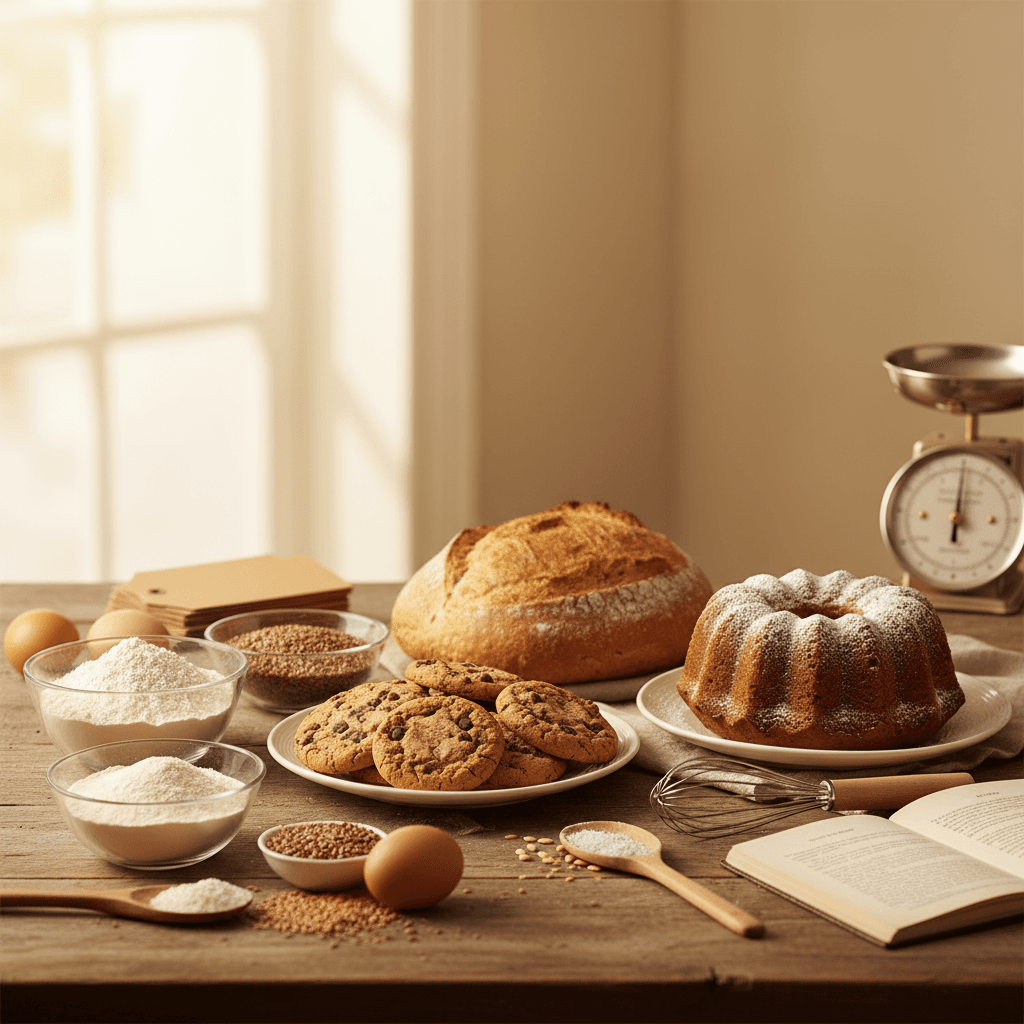
Selling baked goods from home is one of the most accessible ways to start a food business, but the legal side trips up almost everyone. This guide walks you through exactly what you need to do — from understanding cottage food laws to getting your first legal sale — so you can start with confidence instead of confusion.
Key takeaways
- Most U.S. states have cottage food laws that let you sell baked goods from home without a commercial kitchen, but the rules vary significantly by state.
- Typical startup costs for a legal home baking business range from $0 to $500, depending on your state's licensing and permit requirements.
- Common restrictions include annual revenue caps (often $25,000–$75,000), labeling requirements, and limitations on where and how you can sell.
- Some states require a food handler's permit or food safety certification, which typically costs $10–$25 and takes a few hours online.
- Gluten-free and allergen-free baked goods are a growing niche, but you need to understand labeling laws around allergen claims to stay compliant.
- Getting your legal ducks in a row first saves you from fines, shutdowns, and having to refund customers later.
What are cottage food laws and why do they matter?
Cottage food laws are state-level regulations that allow individuals to prepare and sell certain foods from their home kitchen without needing a commercial kitchen or restaurant-grade facility. Nearly all 50 U.S. states plus Washington D.C. have some version of these laws, though the specifics vary widely.
These laws exist because legislators recognized that requiring a $50,000+ commercial kitchen just to sell cookies at a farmers market was overkill. They created a legal pathway for home bakers to sell directly to consumers with fewer regulatory hurdles.
The catch is that cottage food laws are not universal. What's perfectly legal in Texas might get you fined in New Jersey. You absolutely need to look up your specific state's rules before you sell a single item. A good starting point is your state's Department of Agriculture or Department of Health website — search for "[your state] cottage food law" and you'll usually find the official guidance.
Step 1: Research your state's specific cottage food requirements
The first thing you need to do is identify exactly what your state allows. Here are the key questions to answer:
- What foods are allowed? Most states permit non-potentially-hazardous baked goods like cookies, breads, cakes, brownies, and muffins. Items that need refrigeration (like cream cheese frosting or custard-filled pastries) are often restricted.
- What's the annual revenue cap? This ranges dramatically by state. Some cap you at $25,000 per year, while others like Texas have no cap at all for certain cottage food operations.
- Where can you sell? Some states only allow direct-to-consumer sales (farmers markets, your front door). Others let you sell online, at craft fairs, or even to local stores.
- Do you need a permit or license? Requirements range from nothing at all to a food handler's permit, business license, or home kitchen inspection.
Here's a general overview of how cottage food structures break down across states:
| Requirement | More permissive states (e.g., TX, UT, WY) | Moderate states (e.g., CA, FL, MI) | More restrictive states (e.g., NJ, WI) |
|---|---|---|---|
| Annual revenue cap | No cap or $50,000+ | $25,000–$75,000 | $0–$25,000 (or not allowed) |
| Permit required | Often none | Food handler's permit | Permit + inspection |
| Online sales allowed | Yes, in many cases | Sometimes with restrictions | Often no |
| Labeling required | Basic labeling | Detailed labeling | Detailed labeling |
| Selling at events | Usually allowed | Usually allowed | May be restricted |
Keep in mind that these categories are generalizations. Laws change regularly, and some states have updated their cottage food laws significantly in recent years. Always verify with your state's current regulations.
Step 2: Get the required permits and licenses
Once you know what your state requires, it's time to actually get your paperwork in order. Here's what that typically looks like and what it costs:
Food handler's permit or food safety certification
Many states require at least one person in the operation to have a food handler's permit. This usually involves completing an online course and passing a short exam. Expect to pay $10–$25 and spend 2–4 hours. ServSafe and StateFoodSafety.com are the most widely accepted providers.
Business license
Some cities and counties require a general business license even for cottage food operations. This typically costs $25–$100 per year. Check with your city clerk's office or county business licensing department.
Cottage food permit or registration
Certain states have a specific cottage food permit or registration process. In California, for example, you register as a "Class A" or "Class B" cottage food operation. Class A (direct sales only) requires self-certification. Class B (which allows indirect sales through stores) requires a county health department registration and potentially a kitchen inspection.
Sales tax permit
Whether you need to collect sales tax on baked goods depends on your state. Many states exempt food items from sales tax, but some don't. Check with your state's Department of Revenue.
If you're planning to specialize in gluten-free baking, your state's cottage food laws still apply the same way — but you'll want to pay special attention to allergen labeling requirements, which we'll cover below.
Step 3: Understand labeling requirements
Almost every state with cottage food laws requires some form of labeling on your products. At minimum, you'll typically need:
- Product name (e.g., "Chocolate Chip Cookies")
- Your name and home address (yes, your actual address — this is a common requirement that surprises people)
- Date the product was made
- Ingredients list in descending order by weight
- Allergen declaration listing any of the major allergens (wheat, milk, eggs, soy, peanuts, tree nuts, fish, shellfish, sesame)
- Net weight or volume
- A cottage food disclaimer — many states require a statement like "Made in a home kitchen that is not inspected by the Department of Health"
If you're making gluten-free products, be especially careful with claims on your labels. The FDA defines "gluten-free" as containing less than 20 parts per million of gluten. If you're baking in a home kitchen that also processes wheat flour, you may not be able to legally label your products as gluten-free unless you can demonstrate proper cross-contamination prevention. Some home bakers solve this by dedicating their kitchen entirely to gluten-free production.
If you're building out a gluten-free product line and want to make sure your recipes are dialed in before you start selling, our Confident Gluten-Free Baker Toolkit walks you through flour blends, substitutions, and troubleshooting so your products are consistent from batch to batch.
Step 4: Set up your home kitchen for compliance
Even if your state doesn't require a kitchen inspection, you should set up your space as if it will be inspected. This protects you legally and ensures food safety for your customers.
Here's what a compliant home baking setup looks like:
- Clean, dedicated workspace. You don't necessarily need a separate kitchen, but your baking area should be clean and free from household clutter, pets, and non-food items during production.
- Proper food storage. Ingredients should be stored off the floor, in sealed containers, away from chemicals and cleaning supplies. If you're working with specialty flours like almond flour or brown rice flour, proper storage prevents spoilage and cross-contamination.
- Accurate measuring tools. A reliable kitchen scale is essential for consistency, especially if you're scaling recipes up for production. Weighing ingredients rather than using cup measures ensures every batch tastes the same.
- Thermometer for oven calibration. Home ovens can be off by 25 degrees or more. An oven thermometer costs a few dollars and prevents under- or over-baked products.
- Handwashing station. Your kitchen sink works, but make sure you have soap, clean towels, and a habit of washing hands frequently during production.
If you're starting from scratch on equipment, you don't need to spend a fortune. Our guide to affordable baking tools for beginners covers everything you need to get started for under $100.
Step 5: Price your baked goods for profit
One of the biggest mistakes new home bakers make is underpricing. You need to account for ingredients, packaging, labeling, your time, and overhead costs like electricity and gas.
Here's a simple pricing formula that works:
(Ingredient cost + Packaging cost) x 3 = Minimum retail price
This "3x multiplier" ensures you're covering your costs, paying yourself, and building in a margin for unexpected expenses. Let's look at a real example:
| Cost category | Example: 1 dozen chocolate chip cookies |
|---|---|
| Ingredients (butter, sugar, flour, chocolate, eggs, etc.) | $3.50 |
| Packaging (bag, label, ribbon or sticker) | $0.75 |
| Total direct cost | $4.25 |
| Retail price (3x multiplier) | $12.75 |
| Rounded retail price | $13.00 |
If you're using premium or specialty ingredients — like high-quality vanilla, specialty flours, or European-style butter — your costs will be higher, and your prices should reflect that. Customers who seek out home-baked, small-batch, or allergen-friendly products expect to pay more and are usually happy to do so when the quality is there.
For gluten-free baked goods specifically, you can often charge a 20–40% premium over conventional baked goods because the ingredients cost more and the expertise required is greater. A dozen gluten-free cookies at $15–$18 is very reasonable in most markets.
Step 6: Decide where and how to sell
Your state's cottage food law will dictate your options, but here are the most common sales channels for home bakers:
Farmers markets
This is the classic starting point. You get face-to-face interaction with customers, immediate feedback, and the chance to build a local following. Most farmers markets charge $25–$75 per day for a booth. Check if your market requires proof of your cottage food permit or business license.
Direct sales from your home
Many home bakers take orders through social media, a simple website, or word of mouth and have customers pick up from their home. This keeps overhead low and lets you bake to order rather than gambling on what will sell.
Online sales and delivery
Some states now allow cottage food producers to sell online and ship within the state. If your state permits this, platforms like Instagram, Facebook Marketplace, or a simple Squarespace site can work well. Just remember that shipping baked goods requires proper packaging to prevent damage.
Local events and craft fairs
Holiday markets, school fundraisers, church bazaars, and community events can be excellent one-time sales opportunities. They're also great for testing new products and getting your name out there.
Step 7: Protect yourself with basic business practices
Even though cottage food operations are small, treating yours like a real business from day one will save you headaches later.
- Keep detailed records. Track every sale, every expense, and every batch you produce. This is essential for tax purposes and for staying under your state's revenue cap.
- Get a separate bank account. A dedicated business checking account makes bookkeeping infinitely easier. Many banks offer free small business accounts.
- Consider liability insurance. A home-based food business insurance policy typically costs $200–$500 per year and protects you if someone claims they got sick from your product. Some farmers markets require proof of insurance.
- Save your recipes and batch notes. If a customer has an allergic reaction and claims it was from your product, you need to be able to show exactly what went into that batch. This is especially important if you're working with common allergens or making allergen-free claims.
NEXT Insurance
Product liability for a home food business, quoted online in about 15 minutes with monthly billing. The certificate it generates is what a farmers market asks to see.
Get a quote →Affiliate link. We may earn a commission at no cost to you.What it actually costs to start selling baked goods from home
Here's a realistic breakdown of startup costs for a home baking business:
| Expense | Estimated cost | Notes |
|---|---|---|
| Food handler's permit | $10–$25 | Required in most states |
| Business license | $0–$100 | Varies by city/county |
| Cottage food permit | $0–$75 | Some states require, some don't |
| Packaging and labels | $50–$150 | Initial supply of bags, boxes, stickers |
| Ingredients (first batch) | $50–$100 | Depends on your menu |
| Liability insurance | $200–$500/year | Optional but recommended |
| Farmers market booth (first day) | $25–$75 | If selling at markets |
| Total estimated startup cost | $135–$1,025 | Most people land in the $200–$500 range |
If you already have basic baking equipment, your startup costs will be on the lower end. If you need to stock up on essentials, factor that in too — but don't overbuy before you know what sells.
Special considerations for gluten-free home bakeries
If you're planning to sell gluten-free baked goods, you have a significant market advantage. The gluten-free market continues to grow, and many people with celiac disease or gluten sensitivity struggle to find baked goods they trust. A dedicated gluten-free home bakery can build an incredibly loyal customer base.
However, there are extra considerations:
- Cross-contamination is a serious concern. If your home kitchen also processes wheat, you need strict protocols — or better yet, go fully gluten-free in your baking space. Our guide on preventing dry, crumbly results and other common gluten-free pitfalls can help you nail the texture before you start selling.
- Labeling claims must be accurate. Don't label something "gluten-free" unless you can genuinely ensure it meets the FDA's less-than-20-ppm standard.
- Ingredient sourcing matters. Use certified gluten-free flours and ingredients. Your customers are trusting you with their health.
- Educate your customers. Many gluten-free customers will ask detailed questions about your ingredients and process. Being knowledgeable and transparent builds trust fast.
Frequently asked questions
Do I need a commercial kitchen to sell baked goods from home?
In most U.S. states, no. Cottage food laws specifically allow you to use your home kitchen for baking and selling certain food products. The requirements vary by state — some require no inspection at all, while others may require a basic kitchen check. Look up your state's cottage food law for the exact rules.
How much can I earn selling baked goods from home?
Most states impose annual revenue caps on cottage food operations, typically ranging from $25,000 to $75,000. Some states like Texas have no cap. Within those limits, your actual earnings depend on your pricing, how often you bake, and how many sales channels you use. Many home bakers earn $500–$2,000 per month working part-time.
What baked goods can I legally sell from home?
Most cottage food laws allow non-potentially-hazardous baked goods — things like cookies, brownies, breads, muffins, cakes (without cream-based fillings or frostings), granola, and dry mixes. Items that require refrigeration, like cheesecake or custard-filled pastries, are typically not allowed. Your state's approved food list will have the specifics.
Do I need insurance to sell baked goods from home?
Insurance is not legally required in most states for cottage food operations, but it's strongly recommended. A basic home-based food business liability policy costs $200–$500 per year and protects you if a customer claims they were harmed by your product. Some farmers markets and events require proof of insurance to participate.
Can I sell gluten-free baked goods under cottage food laws?
Yes, gluten-free baked goods are generally covered under the same cottage food laws as conventional baked goods. However, if you label your products as "gluten-free," you must comply with FDA labeling regulations, which define gluten-free as containing less than 20 parts per million of gluten. If you bake in a shared kitchen that also processes wheat, you may not be able to make this claim. Having a dedicated gluten-free workspace is the safest approach, both legally and for your customers' health.
Ready to turn your home baking into a real business?
Getting the legal side handled is the foundation — but building a home bakery that actually sustains itself takes more than permits and labels. You need consistent orders, customers who come back, and a system that doesn't burn you out.

Written by
Co-founder, BakingSubs
Co-founder of BakingSubs, where he turns the science of ingredient substitutions into tested, reliable guidance for home bakers.
Related Posts
Gluten-Free Flour Weight Chart: Grams per Cup for 9 Major Brands (and Why the Spread Is Over 20%)
Best Low Carb Tortillas (2026): 6 Brands Compared by Net Carbs
Best Sugar-Free Cake Mix and Brownie Mix (2026): 14 Options Ranked by Net Carbs, Sweetener, and Price
Bake with Confidence
See all
Confident Gluten-Free Baker Toolkit
The science-based system that replaces gluten's seven invisible jobs so your baking turns out soft, fluffy, and foolproof — every time.

Gluten-Free Recipe Vault
Instant access to our complete library of proven gluten-free recipes — no waiting, no guesswork, just results that work tonight.

Fix Your Gluten-Free Bread
Learn the 3-step formula to make bread rise and stay soft, discover why your loaves collapse, and get a tested sandwich bread recipe that actually works.