
How to price holiday and seasonal orders for your home bakery (without leaving money on the table)
Learn how to price holiday and seasonal orders for your home bakery with real formulas, dollar examples, and frameworks that protect your margins and your sanity.

Malik
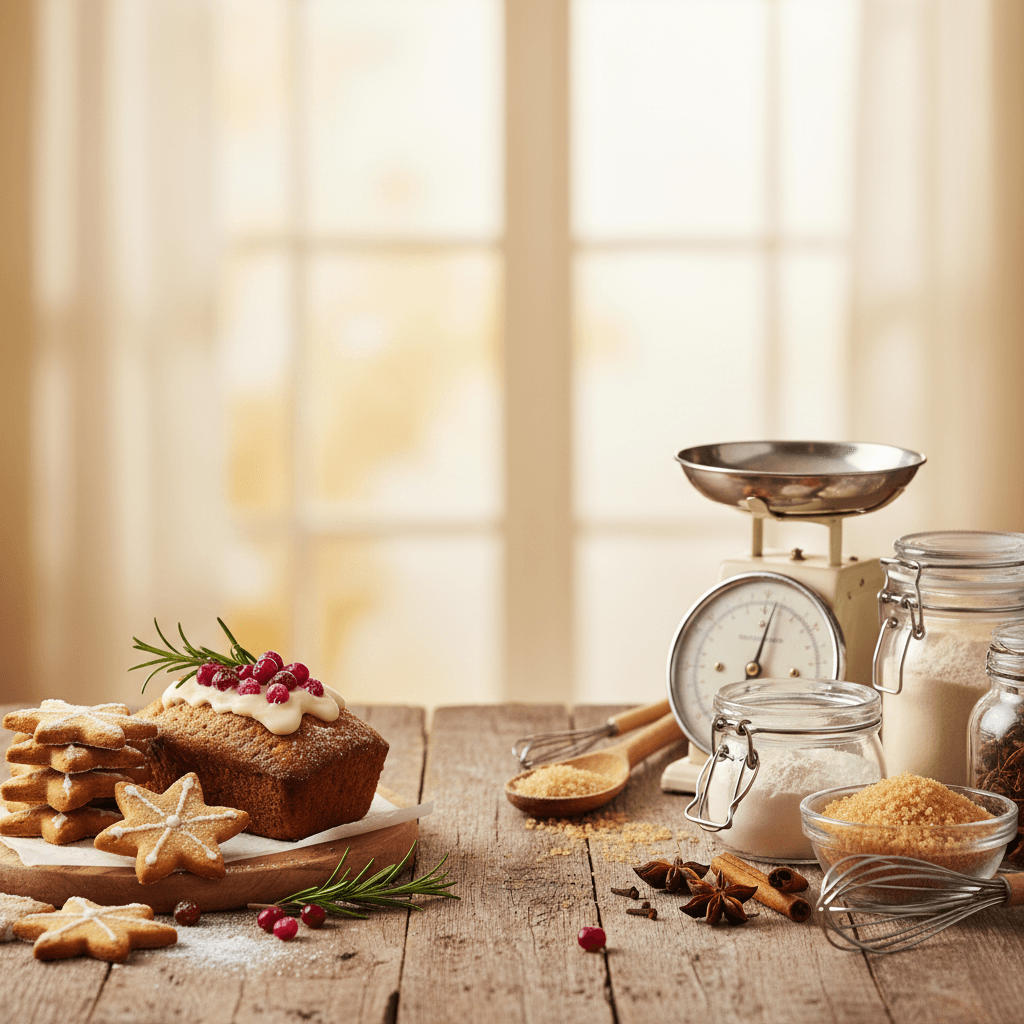
Holiday and seasonal orders are where home bakers either make their best margins of the year or burn themselves out for pennies. The difference comes down to how you price them. Here's the framework we use and recommend to bakers who want to come out of every holiday season profitable and sane.
Key takeaways
- Holiday and seasonal items should be priced 20-40% above your standard menu prices to account for increased complexity, ingredient costs, and compressed timelines.
- Your pricing formula needs to factor in three variables most bakers miss: opportunity cost, seasonal ingredient premiums, and the time crunch penalty.
- Setting order minimums and deposit requirements during peak seasons protects your revenue and filters out low-commitment inquiries.
- Limited menus with tiered pricing outperform open-ended custom order models during holidays every time.
- The best time to set and publish your holiday pricing is 6-8 weeks before the season, not the week orders start rolling in.
Why your regular pricing formula breaks during the holidays
Your standard pricing formula — ingredients + labor + overhead + profit margin — doesn't capture what actually happens during a holiday rush. Ingredient costs spike (vanilla extract in November, butter in December, fresh berries in summer). Your kitchen time becomes a finite, high-demand resource. And every order you say yes to means saying no to another one.
This is the concept of opportunity cost, and it's the single biggest reason home bakers undercharge during holidays. If you can only fill 15 orders for Thanksgiving week and you price pies at $25 when the market would bear $40, you've left $225 on the table. That's real money.
The fix isn't complicated, but it does require you to think about pricing differently during peak periods. Your holiday prices aren't your regular prices with a surcharge tacked on — they're a separate pricing structure built for a different operating reality.
If you're still working from gut-feel pricing in general, start with a real system first. Our guide on how to stop undercharging for your baked goods walks through the foundational math you need before layering on seasonal adjustments.
The seasonal pricing formula that actually works
Start with your base cost-plus price for each item, then layer on three seasonal adjustments:
1. Ingredient premium
Track what your key ingredients actually cost during the season you're pricing for, not what they cost when you last bought them. Butter that's $3.50/lb in March can hit $5.50/lb in December. Fresh pumpkin puree, specialty chocolates, peppermint extract — all of these fluctuate. Price from current or anticipated seasonal costs, not your last receipt.
2. Time compression multiplier
Holiday baking happens in compressed windows. You're not spreading 15 orders across a month — you're cramming them into 3-4 days. That means longer hours, more physical strain, and higher error risk. We recommend a 1.25x to 1.5x multiplier on your labor rate during peak weeks. If you normally value your time at $25/hour, price holiday labor at $31-$38/hour.
3. Opportunity cost adjustment
Every slot you fill at a low price is a slot you can't fill at a higher one. If you know you can only handle 12 orders for Christmas week, your pricing should reflect that scarcity. This is where many bakers struggle emotionally — it feels wrong to charge more just because you're busy. But this is basic supply and demand, and it's how every successful food business operates.
Here's what this looks like in practice for a 9-inch pumpkin pie:
| Cost component | Regular season | Thanksgiving week |
|---|---|---|
| Ingredients | $8.00 | $10.50 |
| Labor (1.5 hrs) | $37.50 | $47.00 |
| Packaging | $2.00 | $3.00 |
| Overhead allocation | $3.00 | $3.00 |
| Profit margin (30%) | $15.15 | $19.05 |
| Total price | $65.65 (~$66) | $82.55 (~$83) |
That's roughly a 26% increase — well within the range customers expect and accept during holidays. Most customers don't blink at holiday pricing if you communicate it clearly and early.
If you want to build a home bakery that actually pays you a sustainable income, getting seasonal pricing right is a big piece of the puzzle. Our free Home Bakery Pro masterclass covers how to build consistent revenue systems — including how to make seasonal peaks work for you instead of against you.
How to structure a limited holiday menu for maximum profit
A limited, curated holiday menu will almost always outperform an open-ended "order anything" approach. Here's why: it lets you batch bake efficiently, buy ingredients in bulk, reduce waste, and maintain quality under pressure.
The sweet spot for most home bakers is 4-6 items per holiday season. Choose items that:
- Share common base ingredients (so you're buying fewer things in larger quantities)
- Can be partially prepped or frozen ahead of time
- Have proven demand from your existing customer base
- Carry strong margins at your seasonal price point
For example, a Thanksgiving menu might include: pumpkin pie, pecan pie, cranberry orange scones (dozen), dinner rolls (dozen), and a signature cake. That's five items, and the overlap in butter, flour, eggs, and sugar means your ingredient purchasing is streamlined.
If you're looking for guidance on managing the production side of big seasonal pushes, our post on how to batch bake efficiently for big orders is worth reading before your next holiday rush.
Tiered pricing: how to offer options without killing your margins
Tiered pricing gives customers choices while keeping you in control. Instead of custom quoting every request, you offer 2-3 tiers per item with clear price points.
Here's an example for holiday cookie boxes:
| Tier | What's included | Price |
|---|---|---|
| Classic | 1 dozen, 3 varieties, standard box | $38 |
| Deluxe | 2 dozen, 5 varieties, gift box with ribbon | $72 |
| Premium | 3 dozen, 6 varieties, custom gift box, handwritten card | $110 |
Notice the margins get better as you move up tiers. The Premium box isn't 3x the work of the Classic — it's maybe 2x — but the price reflects the perceived value of the full gift experience. Most customers will gravitate toward the middle tier (the Deluxe), which is exactly where you want them.
This approach also makes it much easier to say no to custom requests that lose you money. When someone asks for something outside your tiers, you can simply say, "Here's what I'm offering this season" rather than getting pulled into one-off projects that wreck your production flow.
Order minimums, deposits, and cutoff dates
These three policies are non-negotiable during holiday seasons. Without them, you'll deal with last-minute cancellations, no-shows, and orders too small to justify the effort.
Order minimums: Set a dollar minimum per order during peak seasons. $35-$50 is common for home bakers. This filters out the person who wants a single $12 item during your busiest week. You can frame it positively: "Holiday orders start at $40 to ensure every customer gets our full attention and best quality."
Deposits: Require 50% upfront for all holiday orders, non-refundable if cancelled within 48 hours of pickup. This is standard practice and protects you from the customer who orders a full Thanksgiving spread and then ghosts. Some bakers require 100% prepayment during holidays, and that's perfectly reasonable too.
Cutoff dates: Set a firm order deadline at least 5-7 days before the holiday. This gives you time to finalize your ingredient orders, plan your production schedule, and avoid the chaos of last-minute additions. Publish this date everywhere — your social media, your order form, your email list.
Speaking of email, if you're not already using your customer list to announce holiday menus and cutoff dates, you're missing your most reliable sales channel. Our guide on email marketing for home bakers shows you how to turn that list into consistent orders.
When and how to communicate holiday pricing
The biggest mistake we see is bakers announcing holiday pricing too late. By the time you post your Thanksgiving menu on November 10th, your most organized (and highest-spending) customers have already ordered from someone else.
Here's the timeline that works:
- 8 weeks before: Finalize your menu and pricing internally. Do your ingredient cost research.
- 6 weeks before: Announce your holiday menu to your email list first (this rewards loyal customers and creates urgency).
- 5 weeks before: Open orders to the public via social media and your order form.
- 7-10 days before: Send a "last call" email and social post. This is where you'll get 30-40% of your orders.
- 5-7 days before: Close orders. No exceptions.
When you present your pricing, lead with value, not apology. Don't say "I know this is more than usual, but..." Say "Our Thanksgiving menu is here — made from scratch with premium seasonal ingredients, available in limited quantities." Confidence in your pricing signals quality. Apologizing for it signals doubt.
How to handle the "that's too expensive" pushback
You will get it. Every season. Here's the reality: the people who push back on $40 for a handmade pie were never your target customer. They're comparing you to Costco, and you can't win that comparison on price — nor should you try.
Your responses should be brief and confident:
- "I understand — my pricing reflects premium ingredients, handmade quality, and limited availability. I'd love to bake for you if it's a fit."
- "I keep my holiday menu small so every order gets my full attention. The pricing reflects that commitment."
If you're consistently hearing pushback from the majority of your inquiries (not just a few), that's a signal you may need to reposition who you're marketing to, not lower your prices. Our post on how to raise your home bakery prices without losing customers covers this in depth.
Pricing seasonal items vs. holiday-specific items
There's an important distinction between seasonal items (available for a few months) and holiday-specific items (tied to a single week or event). They should be priced differently.
| Factor | Seasonal items (e.g., pumpkin spice muffins, Sept-Nov) | Holiday-specific items (e.g., Thanksgiving pie) |
|---|---|---|
| Pricing premium | 10-20% above base | 25-40% above base |
| Availability window | Weeks to months | Single week |
| Production pressure | Moderate | High |
| Customer price sensitivity | Moderate | Lower (they need it for a specific occasion) |
| Order limits needed | Usually no | Yes — cap total orders |
Seasonal items are great for building steady revenue across a longer period. Holiday-specific items are where you maximize per-order profit. A smart holiday strategy includes both: start selling seasonal items in early fall to build momentum, then launch your holiday-specific menu closer to the event.
How to cap orders without leaving money on the table
Capping orders is essential during holidays, but the cap should be based on math, not guesswork. Here's how to calculate yours:
- Map your available production hours. Be honest. If you have 20 hours available for Thanksgiving week baking, that's your ceiling.
- Estimate time per item. Include prep, bake, cool, decorate, and package time. A pie that takes 30 minutes of active work but 2 hours total (including bake and cool time tying up oven space) counts as 2 hours.
- Divide hours by average time per order. If the average order takes 3 hours of total production time and you have 20 hours, your cap is 6-7 orders.
- Price accordingly. If 7 orders is your max, your total holiday revenue = 7 x average order value. If that number doesn't hit your target, raise your prices or add higher-margin items — don't add more orders.
This is the math that separates bakers who make $800 during a holiday week from bakers who make $2,000. It's not about working more hours. It's about charging what each hour is worth when demand exceeds your capacity.
If you find yourself constantly maxed out and still not hitting your income goals, it might be time to evaluate whether your home bakery business model is sustainable long-term.
Real-world holiday pricing examples by product type
These are ranges we've seen work for home bakers in mid-range cost-of-living areas. Adjust up for high-cost metros and down for rural areas, but don't go below your cost-plus minimum.
| Product | Regular price | Holiday price | Notes |
|---|---|---|---|
| 9-inch pie | $55-$65 | $70-$85 | Pumpkin, pecan, apple — all justify holiday premium |
| Dozen decorated sugar cookies | $42-$55 | $55-$72 | Design complexity drives the range |
| Cookie gift box (2 doz, mixed) | $65-$80 | $85-$110 | Gift packaging adds perceived value |
| Cinnamon rolls (dozen) | $35-$45 | $45-$55 | Great add-on item for holiday brunch orders |
| Layer cake (8-inch, 3 layer) | $75-$100 | $95-$130 | Seasonal flavors like gingerbread or eggnog command more |
| Dinner rolls (dozen) | $18-$24 | $24-$30 | Low margin per unit but high volume potential |
Notice that the percentage increase varies by product. Items with more labor (decorated cookies, layer cakes) justify a higher premium than simpler items (dinner rolls). Price each item based on its own cost structure, not a flat percentage across the board.
Turning holiday customers into year-round regulars
The real payoff of holiday seasons isn't just the revenue that week — it's the new customers you can retain. Every holiday order is a chance to convert a one-time buyer into a repeat customer.
Include a small card or note with every holiday order that mentions your regular menu, how to join your email list, or your next seasonal offering. A simple "Loved your Thanksgiving pie? We bake fresh every week — join our list for first access to weekly menus" can turn a holiday customer into a year-round regular.
Building a referral program that you launch right after the holidays is another powerful move. Your customers just served your baked goods to a house full of people — some of those people will want to order from you if there's a clear path to do so.
Frequently asked questions
How much more should I charge for holiday baking orders?
Most successful home bakers charge 20-40% above their regular prices for holiday-specific items. The exact amount depends on your ingredient cost increases, production time compression, and local market demand. Items tied to a single holiday event (like Thanksgiving pies) justify a higher premium than general seasonal items available for weeks.
Should I require deposits for holiday bakery orders?
Yes — a 50% non-refundable deposit is standard practice for holiday orders and protects you from cancellations and no-shows. Some home bakers require full prepayment during peak holidays, which is also reasonable. Set clear cancellation policies and communicate them upfront when the customer places their order.
When should I publish my holiday bakery menu and prices?
Publish your holiday menu 5-6 weeks before the holiday. Send it to your email list first, then open it publicly. This gives your best customers early access and creates urgency. Set a firm order cutoff date 5-7 days before the holiday and enforce it without exceptions.
How do I know if my holiday prices are too high?
If you're selling out your order slots before your cutoff date, your prices might actually be too low. If you're getting steady inquiries but very few conversions, test lowering prices slightly on one item or adding more value (better packaging, a bonus item) rather than cutting across the board. Track your conversion rate each season so you have data to adjust. For a deeper look at pricing psychology, see our guide on raising prices without losing customers.
Can I charge more for last-minute holiday orders?
Absolutely. A rush fee of 25-50% on top of your holiday price is fair and common for orders placed after your cutoff date — if you choose to accept them at all. Make your rush policy clear in your ordering terms so customers understand the premium before they commit. Many bakers find it simpler to just enforce the cutoff and hold firm boundaries rather than managing last-minute chaos.

Written by
Co-founder, BakingSubs
Co-founder of BakingSubs, where he turns the science of ingredient substitutions into tested, reliable guidance for home bakers.
Related Posts
Bakery Recipe Cost Sheet: How to Cost a Recipe in 6 Steps (With a Table You Can Copy)

Home Bakery Order Form Template: A Copy-Paste Layout That Cuts Mistakes by Half
Cottage Food Label Requirements and Template: What Every State Demands (With a Copy-Paste Layout)
Bake with Confidence
See all
Confident Gluten-Free Baker Toolkit
The science-based system that replaces gluten's seven invisible jobs so your baking turns out soft, fluffy, and foolproof — every time.

Gluten-Free Recipe Vault
Instant access to our complete library of proven gluten-free recipes — no waiting, no guesswork, just results that work tonight.

Fix Your Gluten-Free Bread
Learn the 3-step formula to make bread rise and stay soft, discover why your loaves collapse, and get a tested sandwich bread recipe that actually works.