

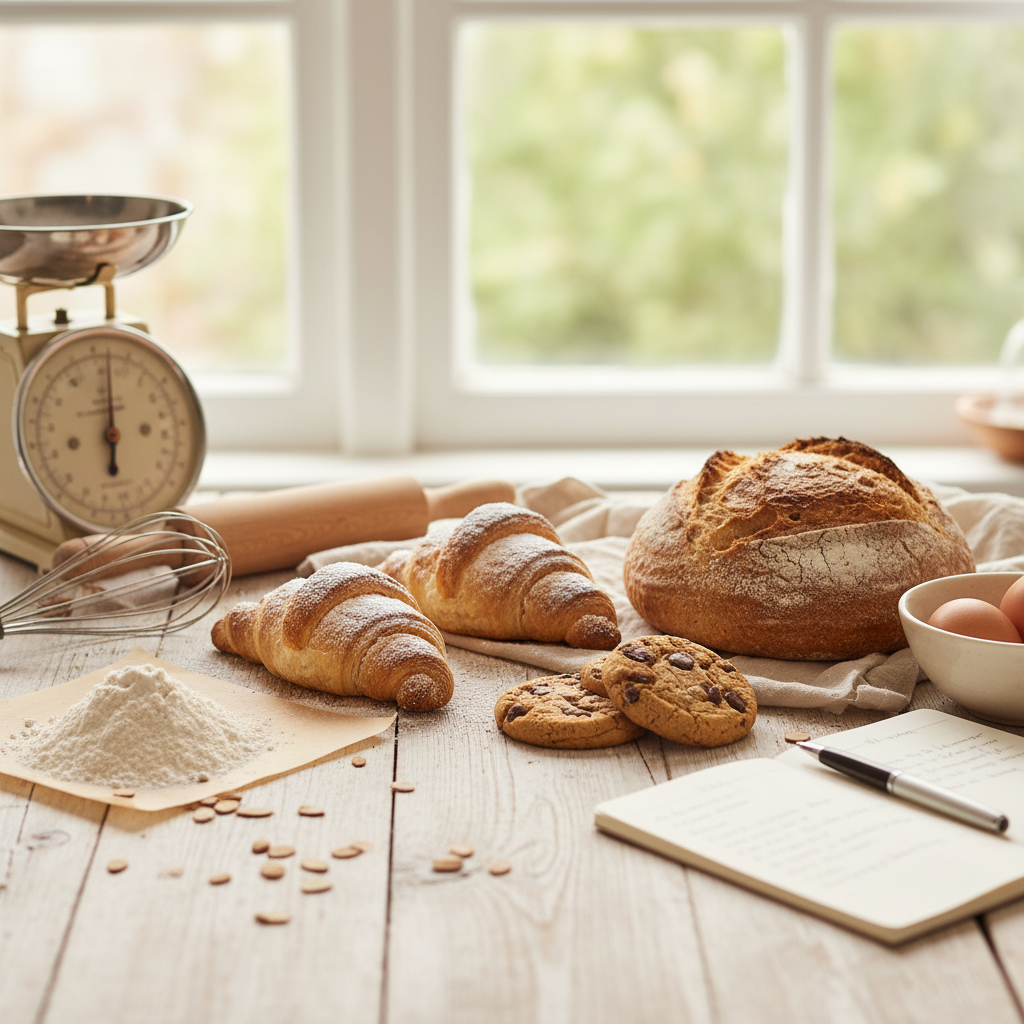
You want to know if a home bakery can actually make real money — not Instagram fantasy numbers, but what lands in your bank account after ingredients, packaging, and your time. Here's the honest breakdown of what home bakers actually earn, which products give you the best margins, and why gluten-free bakers have a significant pricing advantage.
Key takeaways
- A realistic side hustle home bakery earns $500 to $2,000 per month, while a full-time operation can reach $3,000 to $6,000 per month — but neither happens overnight.
- Profit margins on baked goods typically range from 50% to 75%, with decorated cookies and specialty cakes at the high end and bread at the lower end.
- Gluten-free home bakers can charge a 30% to 50% premium over conventional bakers because customers expect higher prices and have far fewer options.
- Your biggest hidden cost is time — most new home bakers dramatically underestimate how long production, packaging, and customer communication take.
- Customer loyalty in the gluten-free niche is exceptionally high. Once someone trusts your products, they rarely switch.
- Cottage food laws vary by state and directly limit how much you can earn, so check your state's annual sales cap before planning.
How much do home bakers actually make per month?
Most side hustle home bakers earn between $500 and $2,000 per month in revenue after their first 3 to 6 months. That's not profit — that's total sales. After subtracting ingredient costs, packaging, and other expenses, you're typically looking at $300 to $1,400 in actual take-home income at the side hustle level.
For bakers who scale to full-time, monthly revenue generally lands between $3,000 and $6,000, with some experienced bakers in high-demand niches pushing beyond that. But here's what nobody tells you: the jump from $500 to $2,000 per month is mostly about finding repeat customers, not working twice as hard.
Here's a realistic income progression for a home bakery:
| Stage | Timeline | Monthly revenue | Estimated profit (after costs) |
|---|---|---|---|
| Getting started | Months 1-3 | $100 - $500 | $50 - $300 |
| Building regulars | Months 4-8 | $500 - $1,500 | $300 - $1,000 |
| Established side hustle | Months 9-18 | $1,000 - $2,500 | $600 - $1,700 |
| Full-time operation | Year 2+ | $3,000 - $6,000 | $1,800 - $4,200 |
These numbers assume you're pricing correctly, which most new bakers don't do. Underpricing is the single biggest reason home bakeries fail to become sustainable. If you're selling a dozen cookies for $12, you're running a charity, not a business.
Which baked goods have the best profit margins?
Not all baked goods are created equal when it comes to profitability. Decorated sugar cookies and specialty cakes consistently deliver the highest margins, while bread — despite being popular — is one of the hardest products to make profitable at a home scale.
| Product | Typical cost per unit | Typical selling price | Profit margin |
|---|---|---|---|
| Decorated sugar cookies (dozen) | $3 - $5 | $30 - $60 | 70% - 90% |
| Specialty cakes (6-inch) | $8 - $15 | $45 - $85 | 65% - 80% |
| Cupcakes (dozen) | $4 - $7 | $24 - $42 | 60% - 75% |
| Brownies / bars (dozen) | $3 - $5 | $18 - $30 | 60% - 75% |
| Muffins / scones (half dozen) | $2 - $4 | $12 - $20 | 55% - 70% |
| Artisan bread (loaf) | $2 - $4 | $7 - $12 | 45% - 65% |
The reason decorated cookies dominate is simple: most of the cost is your time and skill, not ingredients. A bag of all-purpose flour, some butter, sugar, and royal icing costs very little. What customers are paying for is your artistry and the hours of decorating. The same principle applies to specialty cakes — the ingredient cost for a 6-inch cake is shockingly low compared to what you can charge.
Bread is tough because the ingredient-to-price ratio is tighter, and customers have strong price expectations from grocery stores. You can make bread work, but you need volume or a specialty niche (like sourdough or gluten-free) to justify premium pricing.
If you're just getting started and want to keep your initial investment low, our guide on affordable baking tools for beginners covers everything you need for under $100.
Why gluten-free home bakers have a pricing advantage
Gluten-free bakers operate in one of the most profitable niches in the home bakery world, and it comes down to three factors: pricing power, customer loyalty, and limited competition.
Customers expect to pay more. Anyone who buys gluten-free products at a grocery store already knows they cost 2 to 3 times more than conventional equivalents. When you charge $48 for a dozen decorated gluten-free cookies instead of $36, nobody blinks. They're used to it. Your ingredient costs are higher — almond flour, tapioca starch, and specialty blends cost more than conventional flour — but your selling prices more than compensate. A 30% to 50% pricing premium over conventional bakers is completely normal and expected.
Customer loyalty is extraordinary. When someone with celiac disease or a serious gluten sensitivity finds a baker they trust — someone who understands cross-contamination risks and consistently delivers safe, delicious products — they don't shop around. They tell their friends. They order every week. They become your marketing department. We've seen gluten-free home bakers where 70% or more of their monthly revenue comes from repeat customers.
Competition is thin. Most home bakers stick to conventional recipes because gluten-free baking has a steeper learning curve. That's actually great news for you — it means fewer competitors and more demand than supply in most markets. If you can nail texture issues and deliver products that taste as good as conventional versions, you'll have more orders than you can handle.
Want to build a strong foundation for gluten-free baking? The Confident Gluten-Free Baker Toolkit walks you through the techniques and ingredient knowledge that separate amateur results from products people will pay a premium for.
The hidden costs most new home bakers miss
Your profit margin on paper and your actual take-home pay are very different numbers. Here are the costs that eat into your income and that you need to account for before calculating what you'll actually earn.
Time is your biggest expense
A batch of decorated cookies might cost $4 in ingredients, but if it takes you 3 hours to bake and decorate, and you sell them for $36, you're making about $10.67 per hour before any other costs. That's below minimum wage in many states. As you get faster and develop efficient batch workflows, this improves dramatically — but be honest with yourself about where you are right now.
Packaging and presentation
Boxes, ribbons, labels, stickers, tissue paper, and bags add up fast. Budget 8% to 15% of your selling price for packaging. Cheap packaging undermines premium pricing, so this isn't where you want to cut corners.
Cottage food law limitations
Most states have annual revenue caps for cottage food operations, ranging from $25,000 to $75,000 per year depending on your state. Some states cap as low as $5,000. This directly limits your earning potential unless you upgrade to a licensed commercial kitchen, which adds significant overhead.
Ingredient waste and testing
Recipe development and testing batches cost money. So does ingredient spoilage — specialty flours and dairy products don't last forever. Budget for a 5% to 10% waste factor, especially in your first year.
Marketing and customer acquisition
Even if you're not running paid ads, you're spending time on marketing. Farmer's market booth fees, business cards, food photography supplies, and website hosting all add up. These costs are manageable but need to be in your budget.
How to maximize your home bakery profit margins
The bakers who earn the most per hour aren't necessarily the ones with the most orders. They're the ones who've optimized their operations. Here's what actually moves the needle.
Batch production over custom orders
Custom orders feel exciting, but they're time-intensive and hard to scale. A weekly menu of 4 to 6 items that you batch-produce is far more efficient. You buy ingredients in bulk, your workflow is repeatable, and you waste less. Many successful home bakers offer a set weekly menu and only take custom orders at a significant premium.
Price based on value, not ingredients
Your price should reflect your skill, your time, and what the market will bear — not just your ingredient costs. If a gluten-free birthday cake takes you 4 hours and costs $12 in ingredients, charging $35 means you're earning $5.75 per hour. Charging $75 means you're earning $15.75 per hour. The customer paying for a safe, delicious celebration cake doesn't care about your flour costs — they care about the result.
Focus on high-margin products first
Start with the products from the margin table above that give you the best return on your time. Decorated cookies, cupcakes, and specialty cakes should be your bread and butter (pun intended). Add lower-margin items like bread only once you have a stable customer base and efficient production systems.
Invest in quality ingredients strategically
Not every ingredient needs to be premium. Our guide on premium baking ingredients that make a real difference breaks down where splurging actually changes your results and where you can save without anyone noticing. For a home bakery, this knowledge directly impacts your margins.
What the first 6 months actually look like
We're not going to pretend this is easy. Here's an honest month-by-month reality check.
Month 1: You're testing recipes, figuring out packaging, and selling to friends and family. Revenue: maybe $100 to $200. You might lose money when you factor in startup supplies.
Months 2-3: Word of mouth starts. You get your first orders from strangers. You realize customer communication takes way more time than you expected. Revenue: $200 to $600.
Months 4-6: You're finding your rhythm. Repeat customers emerge. You've figured out which products sell best and which aren't worth the effort. Revenue: $500 to $1,500. This is where most bakers either quit or commit.
The bakers who push through month 6 with a solid product and decent systems are the ones who reach $2,000+ per month. The ones who quit usually underpriced from the start, burned out on custom orders, or tried to do everything at once.
If you're still in the planning phase and want to keep startup costs manageable, check out baking essentials on a budget for smart ways to equip your kitchen without overspending.
Is a home bakery side hustle actually worth it?
It depends entirely on your expectations and your willingness to treat it like a real business, even if it's part-time. Here's the honest assessment.
It's worth it if:
- You enjoy baking and don't mind doing it on a schedule (not just when inspiration strikes)
- You're willing to price your products fairly, even when friends say "that seems expensive"
- You have 10 to 20 hours per week to dedicate to production, marketing, and customer communication
- You're in a niche with strong demand — gluten-free, allergen-friendly, or specialty decorated items
- You see it as a business that happens to involve baking, not a hobby that sometimes makes money
It's probably not worth it if:
- You only want to bake what you feel like, when you feel like it
- You're uncomfortable charging premium prices
- You need the income to be consistent from month one
- You don't have a dedicated workspace that can handle production batches
The bakers who build sustainable income are the ones who approach this with clear eyes about the work involved — and who pick a niche where customers genuinely need them. Gluten-free is one of the strongest niches because the demand is real, the loyalty is fierce, and the willingness to pay premium prices is already built into customer expectations.
Frequently asked questions
How much can you realistically make from a home bakery side hustle?
Most home bakery side hustles generate $500 to $2,000 per month in revenue after the first 3 to 6 months, with actual profit (after ingredient and packaging costs) typically 60% to 70% of that. Full-time home bakers generally earn $3,000 to $6,000 per month, though this takes 12 to 18 months to build. Your specific earnings depend heavily on your product mix, pricing strategy, and local market demand.
What baked goods are most profitable to sell from home?
Decorated sugar cookies and specialty cakes have the highest profit margins, often 70% to 90%, because the value comes from your skill and time rather than expensive ingredients. Cupcakes and brownies also perform well at 60% to 75% margins. Bread tends to have the lowest margins for home bakers because customers compare your prices to grocery store loaves.
Can you make more money selling gluten-free baked goods?
Yes. Gluten-free home bakers typically charge a 30% to 50% premium over conventional bakers, and customers expect and accept these higher prices. Your ingredient costs are higher — specialty flours like almond flour and brown rice flour cost more — but the pricing premium more than compensates. The gluten-free niche also has less competition and extremely high customer loyalty.
What are the startup costs for a home bakery?
Most home bakers can start with $200 to $500 in initial investment covering basic equipment, packaging supplies, and initial ingredient stock. If you already have standard baking equipment, your startup cost may be even lower. The biggest ongoing expense is ingredients, which typically run 25% to 35% of your selling price. Check out our baking essentials under $50 guide if you need to start lean. To map those costs against the income you want, work through our home bakery business plan template, which includes a filled-in sample.
How long does it take for a home bakery to become profitable?
Most home bakers break even within 1 to 2 months and start generating meaningful side income by months 4 to 6. Reaching consistent $1,000+ months typically takes 6 to 12 months of steady effort. The timeline accelerates significantly if you pick a high-demand niche, price correctly from day one, and focus on building repeat customers rather than chasing one-time orders.
Ready to build a home bakery that actually pays you?
If these numbers haven't scared you off — good. That means you're the kind of person who can actually make this work. The difference between bakers who earn a real income and those who burn out comes down to having a clear system for getting consistent orders without grinding on social media all day.
Watch the free Home Bakery Pro masterclass
This free masterclass is taught by a home baker who built a full-time income in 3 months — and shows you how to get consistent repeat customers without relying on social media. If you want to see the exact path from first order to stable income, this is the natural next step.

Written by
Co-founder, BakingSubs
Co-founder of BakingSubs, where he turns the science of ingredient substitutions into tested, reliable guidance for home bakers.
Related Posts
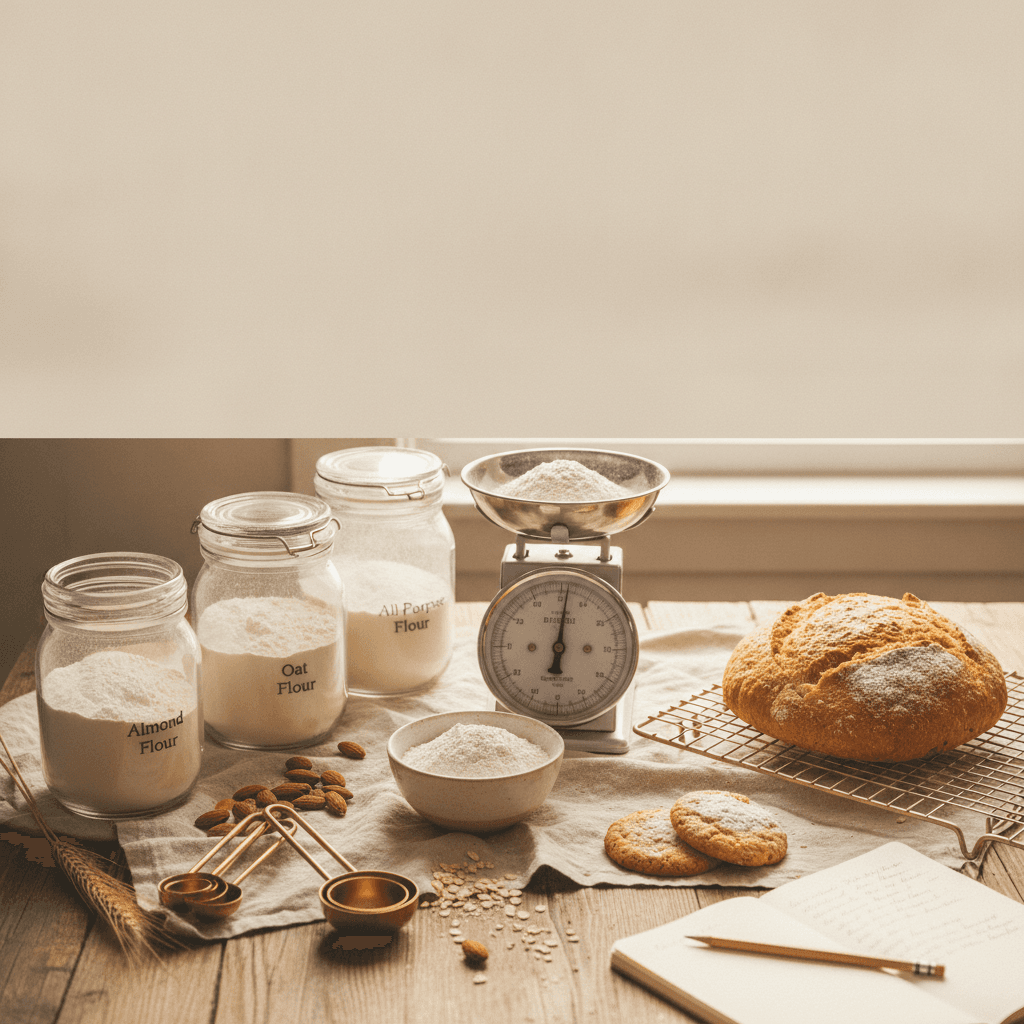
Gluten-Free Flour Weight Chart: Grams per Cup for 9 Major Brands (and Why the Spread Is Over 20%)
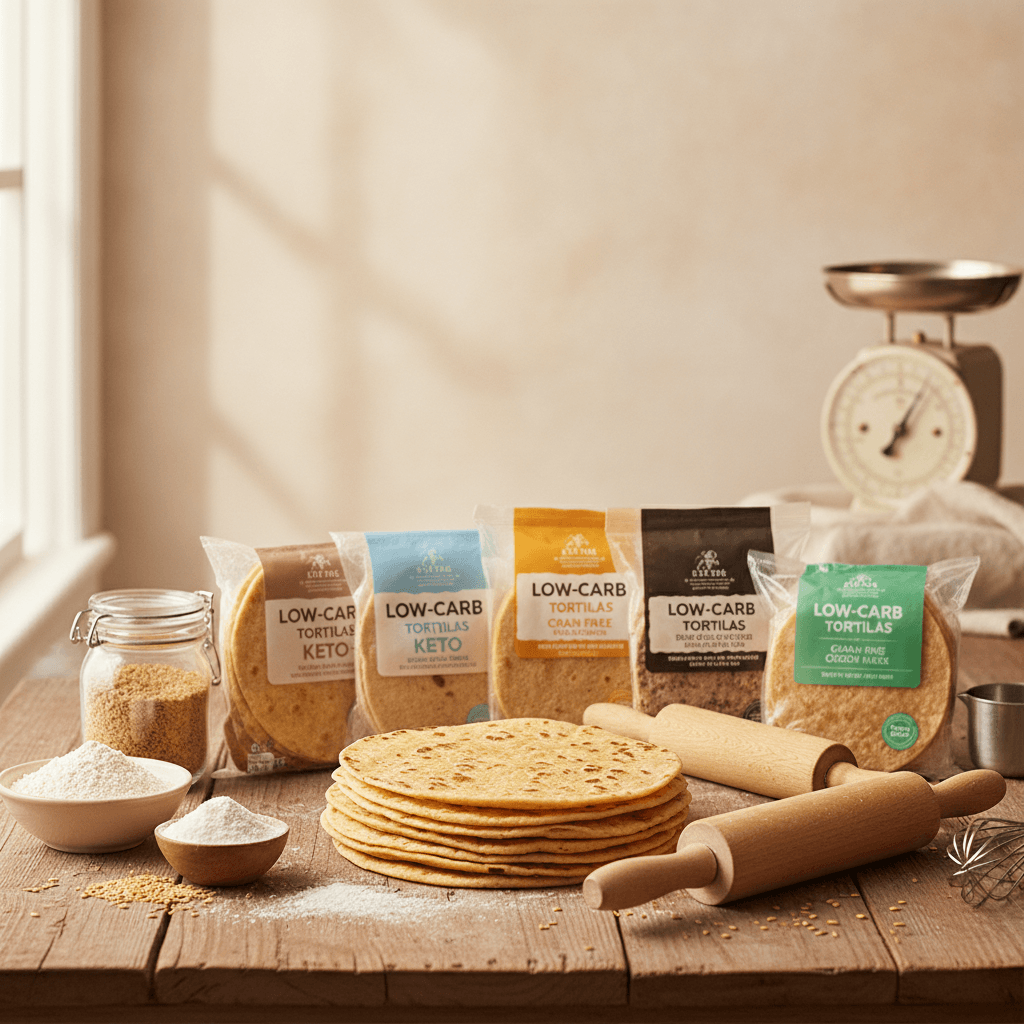
Best Low Carb Tortillas (2026): 6 Brands Compared by Net Carbs
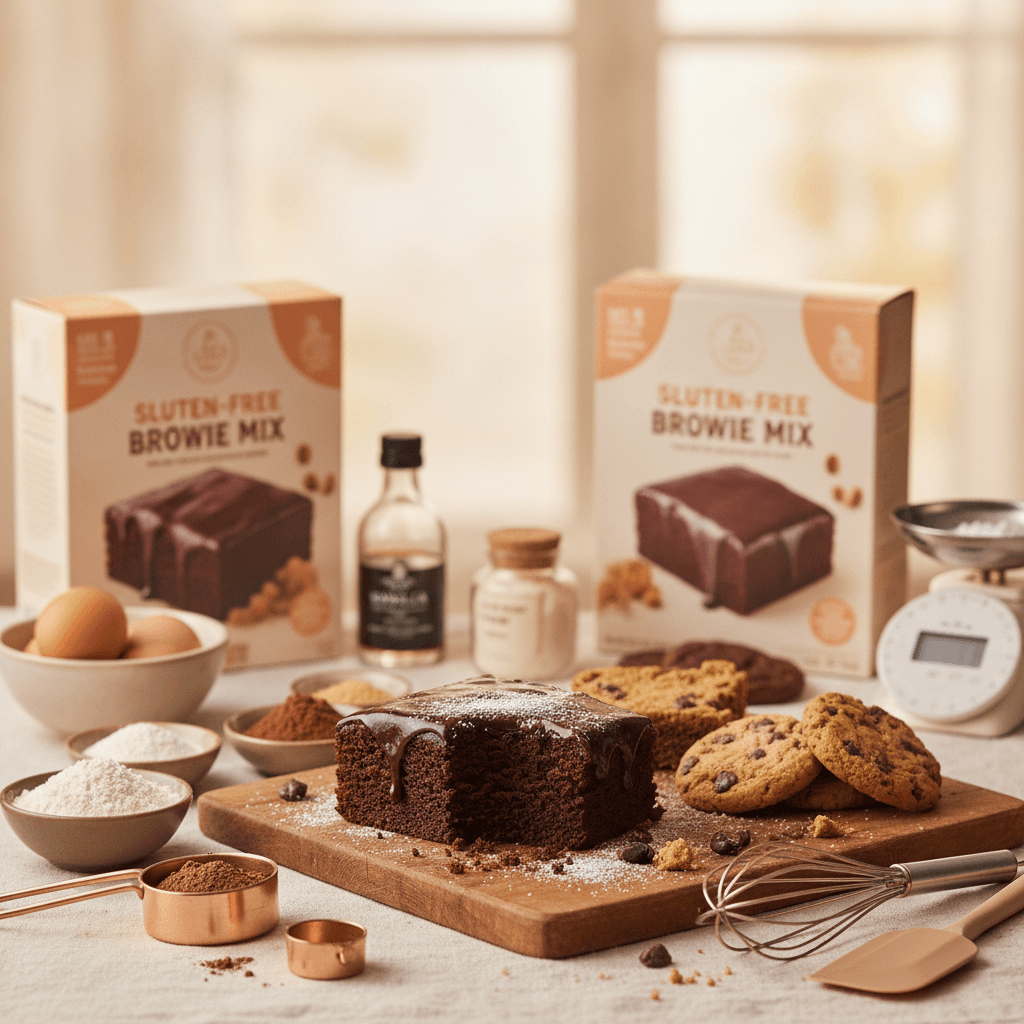
Best Sugar-Free Cake Mix and Brownie Mix (2026): 14 Options Ranked by Net Carbs, Sweetener, and Price
Bake with Confidence
See all
Confident Gluten-Free Baker Toolkit
The science-based system that replaces gluten's seven invisible jobs so your baking turns out soft, fluffy, and foolproof — every time.

Gluten-Free Recipe Vault
Instant access to our complete library of proven gluten-free recipes — no waiting, no guesswork, just results that work tonight.

Fix Your Gluten-Free Bread
Learn the 3-step formula to make bread rise and stay soft, discover why your loaves collapse, and get a tested sandwich bread recipe that actually works.