
Can you make money selling baked goods from home? Realistic numbers, margins, and what nobody tells you
Realistic income numbers, best profit margins by product, and honest advice on building a home bakery. Side hustle to full-time income breakdown included.

Malik
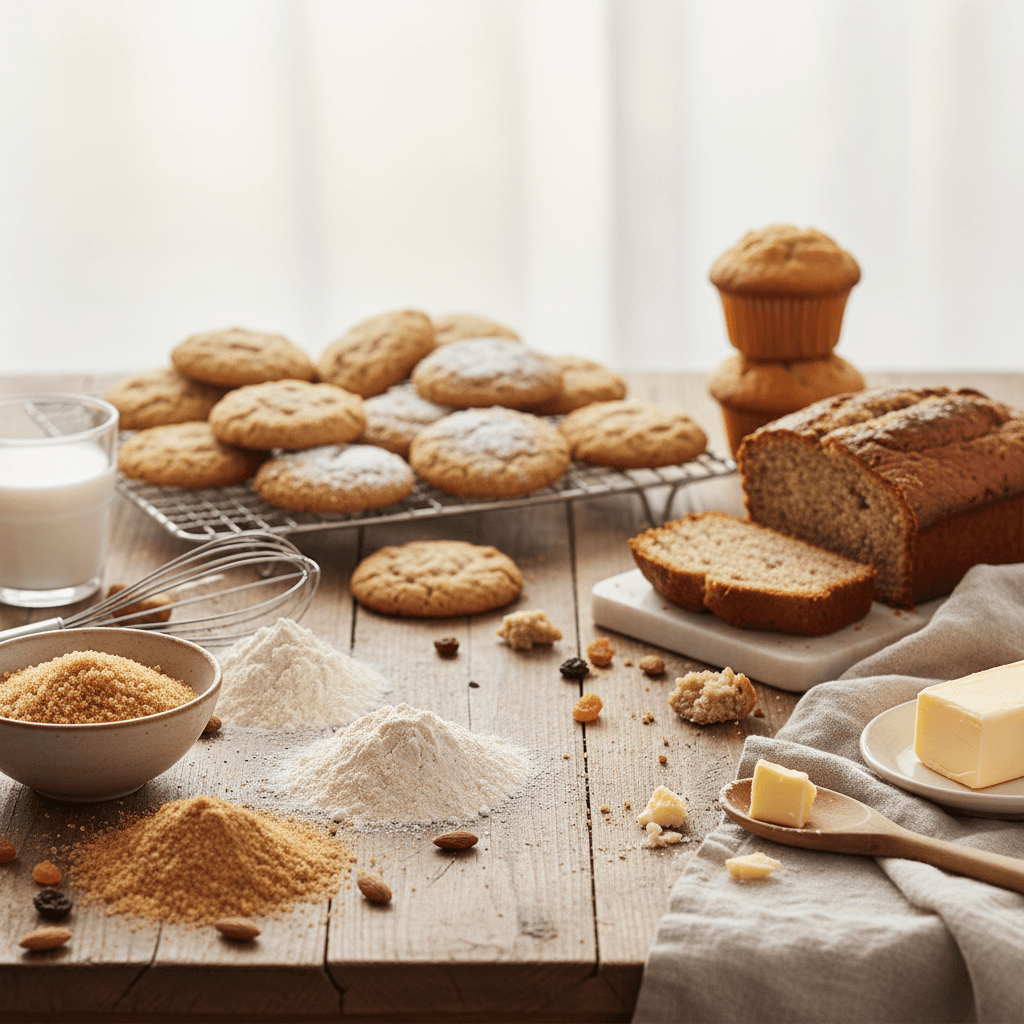
Yes, you can absolutely make money selling baked goods from home — but the amount depends on what you bake, how you price it, and whether you treat it like a business or a hobby. Here's what the numbers actually look like so you can decide if it's worth pursuing.
Key takeaways
- Home bakers realistically earn $500–$2,000/month as a side hustle or $3,000–$6,000/month when treating it as a full-time business.
- Profit margins on baked goods range from 30% to over 70%, depending on the product — cookies, brownies, and simple cakes tend to have the best margins.
- Gluten-free and specialty baked goods command a significant pricing premium, often 40–80% more than conventional equivalents.
- Cottage food laws vary by state and determine what you can sell, where, and how much — checking yours is step one.
- Repeat customers, not social media followers, are what build a sustainable home baking income.
- Most home bakers who quit do so because of underpricing, not lack of demand.
How much money can you realistically make selling baked goods from home
Most home bakers fall into one of two income brackets. As a side hustle — baking on weekends, filling a handful of orders per week — you can expect to bring in $500 to $2,000 per month once you have a steady customer base. That usually takes 2–4 months of consistent effort to build.
If you're going full-time and treating this as your primary income, $3,000 to $6,000 per month is a realistic range. Some bakers exceed this, especially in specialty niches, but that typically involves adding revenue streams like classes, wholesale accounts, or farmers market booths.
Here's the honest part: very few people hit those numbers in month one. The bakers who build real income are the ones who get their pricing right early, build a repeat customer base, and resist the urge to underprice just to get orders. Selling 10 items at the wrong price is worse than selling 5 at the right one.
Which baked goods have the best profit margins
Not all baked goods are created equal when it comes to profitability. The best margins come from items with low ingredient costs, short production times, and high perceived value.
| Product | Typical ingredient cost | Typical selling price | Estimated margin |
|---|---|---|---|
| Decorated sugar cookies (dozen) | $3–$5 | $30–$60 | 65–85% |
| Brownies / bars (dozen) | $2–$4 | $18–$30 | 60–75% |
| Simple layer cakes | $8–$15 | $45–$80 | 55–70% |
| Cupcakes (dozen) | $4–$7 | $24–$42 | 55–70% |
| Bread loaves | $2–$5 | $8–$14 | 40–60% |
| Custom celebration cakes | $15–$30 | $75–$200+ | 50–75% |
Notice that bread has the lowest margin. It's labor-intensive, time-sensitive, and hard to price high enough to cover your time. Cookies, brownies, and simple cakes are where most profitable home bakers focus — especially when starting out.
The key variable most people miss is labor time. A batch of brownies might take 30 minutes of active work. A set of decorated sugar cookies can take 3–4 hours. When you factor in your time, the brownies often win even though the cookies sell for more per unit.
Why gluten-free baked goods are a pricing goldmine
If you're already comfortable with gluten-free baking, you're sitting on one of the most profitable niches in the home bakery world. Here's why.
Gluten-free customers expect to pay more. They're used to paying $7–$9 for a mediocre loaf of bread at the grocery store. When they find a home baker making something that actually tastes good, they'll happily pay a premium — and they won't blink at your prices the way conventional baked goods customers sometimes do.
The loyalty factor is enormous. People with celiac disease or gluten sensitivity have been burned by bad products so many times that when they find a baker they trust, they become repeat customers for life. We've heard from home bakers who say 70–80% of their monthly revenue comes from the same 15–20 customers ordering every single week.
You can typically charge 40–80% more for gluten-free versions of the same products. A conventional dozen cookies might sell for $18–$24, while a gluten-free dozen commands $28–$40 without resistance. Your ingredient costs are higher — almond flour, cassava flour, and specialty starches cost more than all-purpose flour — but the margin increase more than compensates.
If you're just getting started with gluten-free baking and want to build your skills before selling, our Confident Gluten-Free Baker Toolkit walks you through the flour blends, techniques, and troubleshooting that will make your products stand out from the competition.
Understanding cottage food laws before you start
Before you bake a single item for sale, you need to know your state's cottage food laws. These laws govern home-based food businesses and vary wildly from state to state.
Most states allow some form of home baking sales, but the details matter:
- Annual revenue caps — Some states cap you at $25,000/year, others at $75,000, and a few have no cap at all.
- Allowed products — Most permit shelf-stable baked goods (cookies, breads, brownies). Some allow cakes with buttercream but not cream cheese frosting. A few states restrict anything that requires refrigeration.
- Labeling requirements — Nearly all states require ingredient labels and a "made in a home kitchen" disclaimer.
- Sales channels — Some states only allow direct-to-consumer sales (no shipping, no wholesale). Others are more flexible.
Search for "[your state] cottage food law" to find the specifics. This is not optional — operating outside these laws can result in fines and shut down your business before it starts.
The real costs of running a home bakery
When people calculate whether they can make money baking from home, they usually think about ingredients and forget everything else. Here's what your actual cost breakdown looks like:
| Expense category | Monthly estimate (side hustle) | Monthly estimate (full-time) |
|---|---|---|
| Ingredients | $150–$400 | $500–$1,500 |
| Packaging (boxes, labels, bags) | $30–$80 | $80–$250 |
| Utilities (gas, electricity increase) | $20–$50 | $50–$150 |
| Insurance (if applicable) | $15–$40 | $15–$40 |
| Marketing / printing | $0–$30 | $20–$100 |
| Equipment replacement / maintenance | $10–$30 | $30–$80 |
Your biggest hidden cost is your time. If you're spending 20 hours a week baking and earning $1,500/month, that's roughly $18.75/hour before expenses. Not bad — but not amazing either. The bakers who earn well are the ones who streamline their menus, batch efficiently, and price to account for every hour of work.
When you're starting out, you don't need expensive equipment. A solid set of affordable baking tools for beginners will get you through your first few months. Upgrade as your revenue justifies it, not before.
How to price baked goods so you actually make a profit
Underpricing is the number one reason home bakers burn out. The formula most successful home bakers use is:
(Ingredient cost + packaging cost) x 3 = minimum selling price
That multiplier accounts for your labor, overhead, and profit. Some bakers use a 4x multiplier, especially for time-intensive items like decorated cookies or custom cakes. If the resulting price feels "too high," that's usually a sign you've been undervaluing your work — not that the price is wrong.
A few pricing principles that protect your margins:
- Never compete on price. You cannot out-cheap a grocery store. Compete on quality, customization, and dietary accommodation instead.
- Charge for customization. Custom flavors, colors, decorations, and dietary modifications all justify upcharges.
- Offer bundles. A "weekly bread subscription" or "monthly cookie box" creates predictable revenue and higher average order values.
- Raise prices early and often. Most home bakers wait too long. If you're fully booked, your prices are too low.
If you're baking gluten-free, your customers are already conditioned to pay more. Use that to your advantage. A gluten-free custom birthday cake at $85–$120 is completely reasonable, and your customers know it.
Building a customer base that creates real income
The home bakers who earn consistent income aren't the ones with the most Instagram followers. They're the ones with a core group of 20–50 repeat customers who order regularly.
Here's how to build that base without relying on social media algorithms:
- Start with your existing network. Friends, family, coworkers, neighbors, local Facebook groups, church communities. Your first 10 customers are people who already know you.
- Farmers markets and local events. These put your product directly in people's hands. One taste is worth a thousand social media posts.
- Word of mouth is everything. Include business cards with every order. Offer a small discount for referrals. Happy customers sell for you.
- Create a simple ordering system. A Google Form, a simple website, or even a weekly text to your customer list works. Make it easy to order from you repeatedly.
For gluten-free bakers specifically, connect with local celiac support groups and allergy-friendly communities. These groups are tight-knit and share recommendations aggressively. One positive mention in a local celiac Facebook group can generate 10+ new customers overnight.
What nobody tells you about selling baked goods from home
We want to be straight with you about the parts that aren't glamorous:
It's physically demanding. Standing for hours, lifting heavy mixers and sheet pans, working in a hot kitchen — it takes a toll. If you're scaling up, your body will feel it.
Your kitchen becomes a workplace. Your family may not love that the kitchen is off-limits every Saturday morning. Setting boundaries and a consistent schedule helps, but it's a real adjustment.
Seasonal swings are real. November and December will be your busiest (and most profitable) months. January and February can be painfully slow. Smart bakers plan for this by saving during peak months and creating off-season promotions. If you're stocking up for holiday season, our guide to affordable baking supplies for holiday cookie season can help you keep costs down when volume is highest.
You'll deal with difficult customers. Last-minute cancellations, unreasonable customization requests, people who want a $20 custom cake — it happens. Having clear policies from day one saves your sanity.
Consistency matters more than creativity. Your customers want the same amazing chocolate chip cookie every time, not a different experimental flavor each week. Master a small menu before expanding. If you're working on perfecting gluten-free recipes, understanding common issues like dry, crumbly textures or gummy centers will help you deliver reliable results every single time.
A realistic timeline for your first year
Here's what a typical trajectory looks like for a home baker who's serious but not quitting their day job:
- Month 1–2: Research cottage food laws, finalize your menu (3–5 items max), set prices, get packaging, take practice orders from friends and family. Revenue: $0–$200.
- Month 3–4: Start taking real orders, attend a farmers market or two, build a customer list. Revenue: $200–$800.
- Month 5–8: Repeat customers start ordering regularly, word of mouth kicks in, you refine your processes. Revenue: $500–$1,500.
- Month 9–12: You have a stable base of regulars, holiday season gives you a major boost, you start thinking about whether to scale. Revenue: $800–$2,500.
Can it happen faster? Yes — especially if you're in a niche like gluten-free where demand outstrips supply in most areas. But this timeline is honest, and hitting these numbers means you've built something sustainable.
Frequently asked questions
How much can you make selling cookies from home
Most home bakers selling cookies earn $500–$1,500/month as a side hustle, with decorated sugar cookies being the most profitable at $30–$60 per dozen. Your income depends on volume, pricing, and whether you focus on simple drop cookies or time-intensive decorated ones. Gluten-free cookies can command even higher prices due to limited local competition.
Do you need a license to sell baked goods from home
In most US states, cottage food laws allow you to sell certain baked goods from home without a commercial kitchen license. However, you typically need to register with your state or county, follow labeling requirements, and stay within annual revenue caps. Always check your specific state's cottage food regulations before selling.
What baked goods sell the most from home
Cookies, brownies, and simple cakes consistently sell the best from home bakeries because they're easy to transport, have broad appeal, and offer strong profit margins. For specialty niches, gluten-free bread and allergy-friendly baked goods are in extremely high demand with less competition from other home bakers.
Is a home bakery business worth it
A home bakery is worth it if you price correctly, build repeat customers, and choose products with strong margins. It's not worth it if you underprice to compete with grocery stores or treat it as a casual hobby while expecting business-level income. The bakers who succeed treat it like a real business from day one — tracking costs, setting boundaries, and raising prices when demand warrants it.
Can you make a full-time income from a home bakery
Yes, many home bakers earn $3,000–$6,000/month as their primary income. Getting there typically requires 6–12 months of building a customer base, a focused menu of high-margin items, and efficient production systems. Specialty niches like gluten-free, vegan, or allergy-friendly baking tend to reach full-time income faster because of higher pricing and intense customer loyalty.
Ready to turn your baking into real income?
If you've read this far and you're still thinking "I want to do this," that's a great sign. The bakers who succeed are the ones who go in with realistic expectations and a clear plan.
Want to see the exact path from first order to stable income? This free masterclass is taught by a home baker who built a full-time income in 3 months — and shows you how to get consistent repeat customers without relying on social media.

Written by
Co-founder, BakingSubs
Co-founder of BakingSubs, where he turns the science of ingredient substitutions into tested, reliable guidance for home bakers.
Related Posts
Gluten-Free Flour Weight Chart: Grams per Cup for 9 Major Brands (and Why the Spread Is Over 20%)
Best Low Carb Tortillas (2026): 6 Brands Compared by Net Carbs
Best Sugar-Free Cake Mix and Brownie Mix (2026): 14 Options Ranked by Net Carbs, Sweetener, and Price
Bake with Confidence
See all
Confident Gluten-Free Baker Toolkit
The science-based system that replaces gluten's seven invisible jobs so your baking turns out soft, fluffy, and foolproof — every time.

Gluten-Free Recipe Vault
Instant access to our complete library of proven gluten-free recipes — no waiting, no guesswork, just results that work tonight.

Fix Your Gluten-Free Bread
Learn the 3-step formula to make bread rise and stay soft, discover why your loaves collapse, and get a tested sandwich bread recipe that actually works.