

Disclosure: This post contains affiliate links. If you purchase through these links, we may earn a small commission at no additional cost to you.
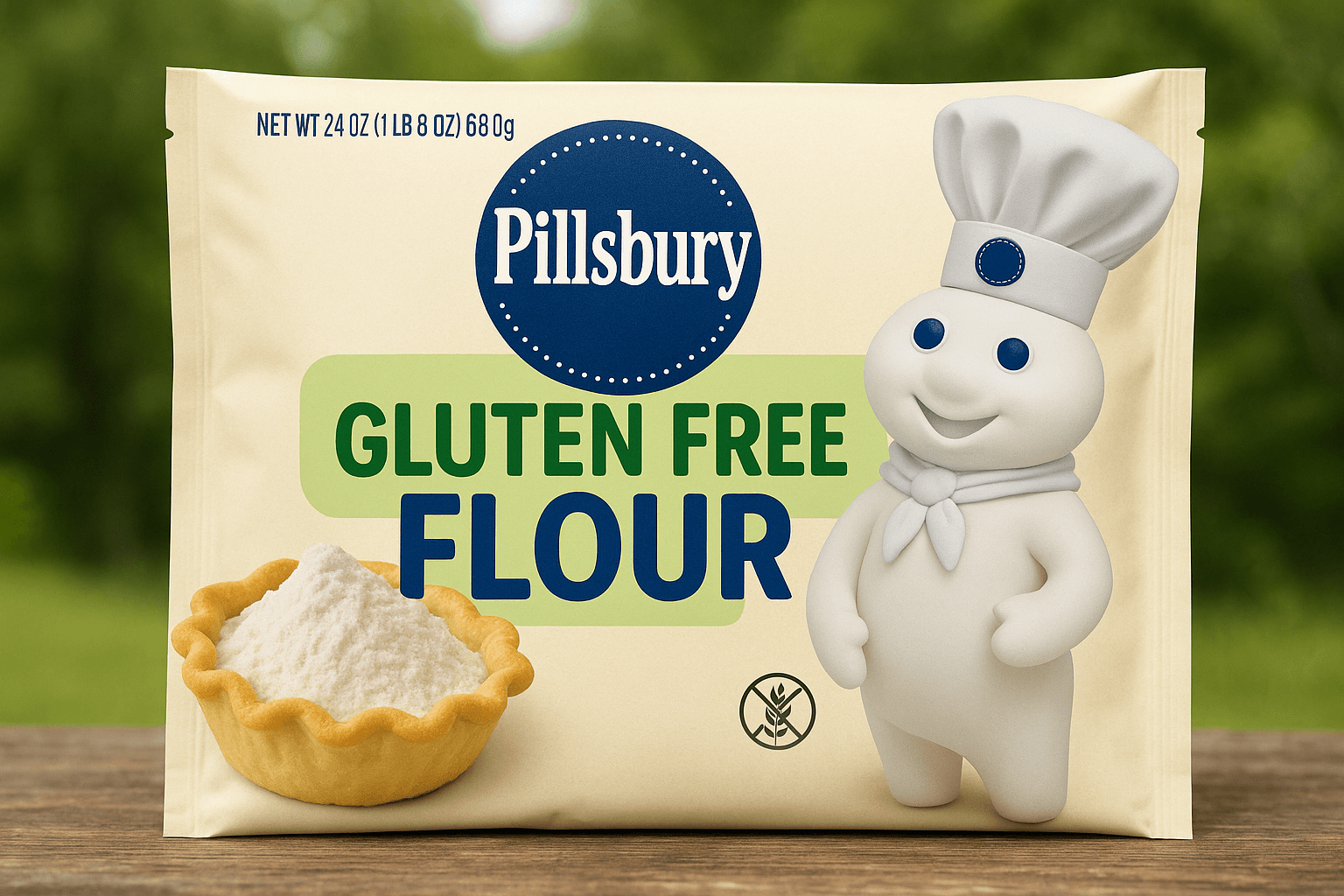
There are dozens of different gluten-free flour brands and blends out there, each claiming to be the best substitute for regular wheat flour. Since Pillsbury is such a household name, its gluten-free flour is a natural place to start.
Key Takeaways
Pillsbury gluten free flour is often a good starting point for new gluten-free bakers because it's easy to use.
This flour can give baked goods a good "lift" and fluffy texture, which is nice for things like cookies.
You might notice a slightly sandy feel or aftertaste with Pillsbury gluten free flour, but it's usually manageable.
Pillsbury gluten free flour is generally affordable and comes in a resealable bag, making it convenient.
When comparing Pillsbury gluten free flour to other brands, it often performs well for certain types of baking, though some recipes might need tweaks.
What You Need to Know Up Front
Here's the short version: Pillsbury's gluten-free flour is a decent all-around option, especially if you're new to gluten-free baking. The flour can give baked goods good lift and a fluffy texture that works well for cookies and cakes. However, you might notice a slightly gritty aftertaste in some recipes. The big selling points are its affordability and the fact that you can find it at pretty much any grocery store.
What's Actually in This Flour?
Pillsbury's gluten-free flour is what they call an "all-purpose blend." Looking at the ingredient list, it contains rice flour, potato starch, tapioca starch, and xanthan gum. That xanthan gum is key – it's what helps replace the stretchy, binding properties that gluten normally provides in regular flour.
The fact that it's pre-blended with xanthan gum makes it pretty convenient. You don't have to buy xanthan gum separately (which can be expensive) or worry about measuring it out for each recipe.
How It Performs in Different Baked Goods
Cookies
In chocolate chip cookies, expect a softer, more cake-like result with good rise rather than a classic chewy cookie. If you prefer chewy cookies, you'll need to adjust the recipe – maybe reduce the liquid slightly or add a bit more fat.
Cakes and Muffins
This is where a blend like Pillsbury's is best suited. The same lift that makes cookies cakey works in your favor here, helping cakes and muffins bake up with an even, fluffy crumb.
Bread
Bread is trickier. All-purpose gluten-free blends like this one can produce dry, crumbly loaves; adding extra moisture (such as Greek yogurt) and being careful not to overbake helps. Still, if bread is your main focus, you might want to look at flours specifically designed for bread-making.
The Texture and Taste Issue
Let me address the elephant in the room: that slightly sandy, gritty aftertaste that some people complain about. It's most noticeable in simple recipes like basic muffins, where there aren't many other flavors to mask it, and much harder to detect in chocolate chip cookies or flavored cakes.
A few things that help minimize the grittiness:
Sifting the flour before using it
Making sure to mix batters thoroughly
Adding an extra tablespoon of liquid to recipes
A rice-and-starch blend like this has a fairly neutral flavor, which is what you want in a flour substitute.
Convenience Factor
One real advantage is how easy Pillsbury makes the conversion process. It's designed for cup-for-cup substitution with regular flour, so you don't need to do any math or complicated conversions. Just swap it in and go.
The resealable bag is a nice touch too. It keeps the flour fresh and prevents the mess you get with those paper bags that split open. Plus, you can find it at Target, Walmart, and most regular grocery stores, which isn't always the case with specialty gluten-free products.
Price-wise, it's reasonable for a gluten-free flour. Not the cheapest option out there, but definitely not the most expensive either.
How It Stacks Up Against the Competition
King Arthur's gluten-free flour tends to produce slightly better texture and flavor, but it's also more expensive and harder to find. Bob's Red Mill has a huge selection of different flours, which is great if you want to get into more specialized baking.
For straightforward, everyday gluten-free baking, Pillsbury holds its own pretty well against the competition.
Tips for Better Results
Since the flour already contains xanthan gum, don't add more unless a recipe specifically calls for it. Too much xanthan gum makes things gummy and weird.
Gluten-free batters often benefit from resting for 15-20 minutes before baking. This gives the flour time to fully hydrate, which improves the final texture.
If your baked goods aren't browning well, try brushing the tops with milk or beaten egg before putting them in the oven.
The Bottom Line
Pillsbury Gluten Free Flour isn't perfect, but it's a solid, reliable option that delivers consistent results. It's particularly good if you're just getting started with gluten-free baking and want something that won't require a lot of recipe adjustments.
The slight grittiness is a minor drawback, and it's not the best choice for bread, but for cookies, cakes, muffins, and other everyday baking, it gets the job done well. The convenience of finding it at any grocery store and the reasonable price make it worth keeping in your pantry.
If you're looking for a no-fuss gluten-free flour that works in most situations, Pillsbury is a safe bet. Just don't expect miracles – like any gluten-free flour, it has its limitations, but it's a good starting point for your gluten-free baking journey.

Written by
Co-founder, BakingSubs
Co-founder of BakingSubs, where he turns the science of ingredient substitutions into tested, reliable guidance for home bakers.
Bake with Confidence
See all
Confident Gluten-Free Baker Toolkit
The science-based system that replaces gluten's seven invisible jobs so your baking turns out soft, fluffy, and foolproof — every time.

Gluten-Free Recipe Vault
Instant access to our complete library of proven gluten-free recipes — no waiting, no guesswork, just results that work tonight.

Fix Your Gluten-Free Bread
Learn the 3-step formula to make bread rise and stay soft, discover why your loaves collapse, and get a tested sandwich bread recipe that actually works.